Affiliate disclosure - we earn from qualifying purchasesBeginner guide12 min readUpdated May 2026
Cold Plunge for Beginners:
Everything you need to start safely.
Quick answer
Start at 57-61°F (14-16°C) for 60-90 seconds, 2-3 times per week. Enter slowly, keep your head above water, and breathe through the cold shock response. Build temperature and duration over 4 weeks. Research consistently shows 11 minutes of total cold exposure per week is sufficient for measurable physiological benefit - you do not need long sessions to start.
Reviewed by
Dr. Renée Halvorsen, PhD
Exercise physiologist. 11 years researching cold-water immersion at NTNU. Author of The Cold Protocol (Penguin, 2024).
Verified Expert38 articles
What to expect your first time
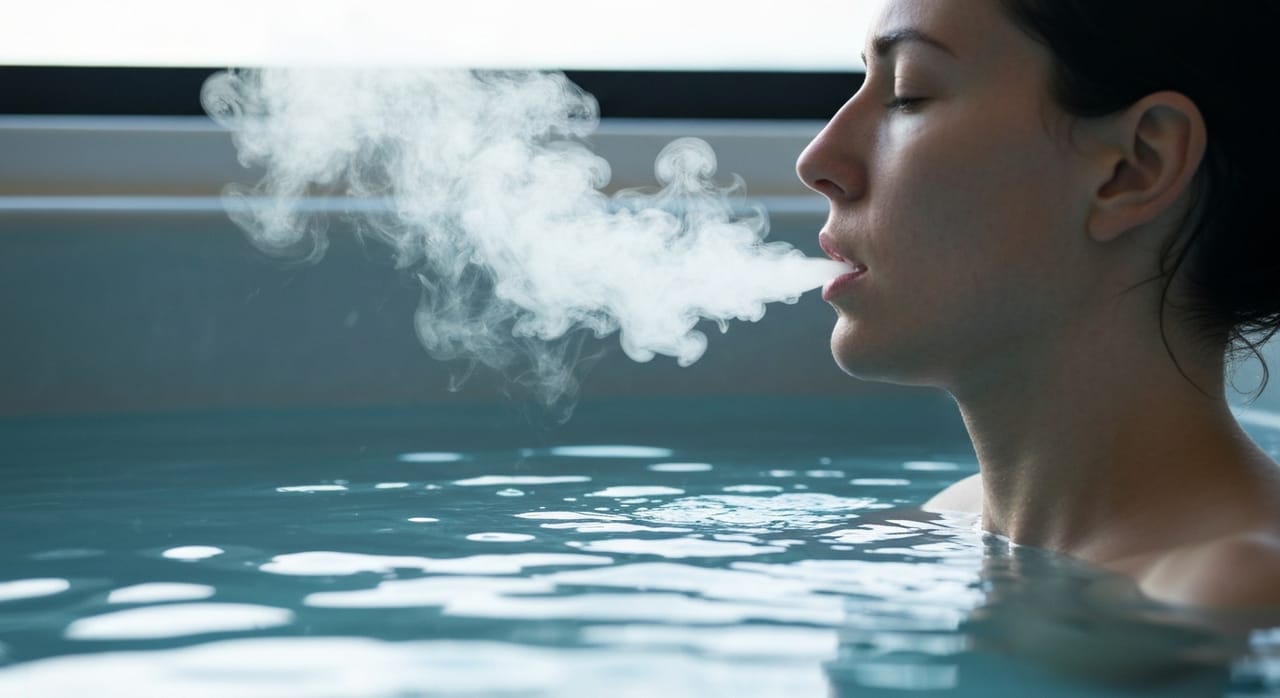
The first 30 seconds of a cold plunge are the hardest. When cold water contacts the skin, the body triggers an involuntary cold shock response: a sharp gasp, rapid breathing, and a spike in heart rate and blood pressure. This is not a sign that something is wrong. It is your sympathetic nervous system activating, and it passes within 30-90 seconds for most people.
What beginners often describe as the worst moment - that first breath - is actually the point at which the experience is most manageable if you have practiced controlled breathing. Slow, deliberate nasal inhales and longer exhales through the mouth reduce the hyperventilation response and bring the heart rate down faster.
After 60-90 seconds, most people report a shift: the initial panic subsides and is replaced by a state of focused calm. Norepinephrine levels begin rising within the first two minutes of cold water immersion, according to research from the University of Innsbruck. By the end of a 2-3 minute session, the post-plunge feeling - often described as energized, clear-headed, and mood-elevated - is a direct result of these neurochemical changes.
You will be cold when you exit. Shivering is normal - it is your body producing heat through muscle contractions. What you want to avoid is violent, uncontrollable shivering, which signals you have stayed in longer than your body can handle at your current level of adaptation.
Quick-start safety rules
Cold water immersion is physiologically demanding. These rules are not optional precautions - they reflect what goes wrong when people skip them.
01
Never plunge alone
Cold water immersion can cause sudden cardiac events or loss of consciousness in rare cases. Have someone nearby, especially in your first weeks.
02
No plunging with a fever
If your core temperature is already elevated from illness, cold immersion places additional cardiovascular stress. Wait until you have been symptom-free for 48 hours.
03
Exit at the first sign of uncontrollable shivering
Mild shivering is normal and beneficial - it is thermogenesis. Violent, uncontrollable shivering means your core temperature is dropping faster than it should.
04
Warm up passively, not with hot water
Re-warming in a hot shower or bath after cold immersion negates the metabolic benefits. Allow your body to rewarm on its own, ideally by moving around and dressing in warm layers.
05
No alcohol before or after
Alcohol impairs thermoregulation. It can mask the warning signals your body sends when hypothermia sets in.
06
Consult a doctor if you have cardiovascular conditions
Cold immersion causes an acute spike in heart rate and blood pressure. People with hypertension, arrhythmia, or a history of heart disease should get medical clearance first.
The 4-week beginner protocol
Cold adaptation happens in measurable stages. The following protocol is designed to give your nervous system and cardiovascular system time to adjust at each temperature range before moving colder. Do not rush to week 4. Some people take 6-8 weeks to reach that range comfortably, and that is completely appropriate.
Acclimate to the cold shock response. Focus on controlled breathing.
Extend exposure as the cold shock response becomes more manageable.
Begin reaching the norepinephrine and dopamine release threshold studied in research.
Establish a sustainable protocol. This range covers the majority of studied benefits.
Note: These temperature ranges are in line with the protocol described by Dr. Susanna Soberg in her 2021 paper in Cell Reports Medicine, which found that 11 minutes per week of deliberate cold exposure was associated with significant changes in brown adipose tissue activity and resting metabolic rate.
Temperature and duration at a glance
The relationship between temperature and duration is not linear. Colder water at shorter exposure can produce similar or greater physiological response than warmer water for longer. The table below summarizes research-based reference points.
| Level | Temperature | Duration | Primary effects |
|---|
| Beginner | 55-61°F / 13-16°C | 1-2 min | Cold shock adaptation, mood lift, mild norepinephrine |
| Intermediate | 50-55°F / 10-13°C | 2-4 min | Strong norepinephrine release, dopamine, metabolic activation |
| Advanced | 45-50°F / 7-10°C | 3-5 min | Brown fat activation, peak norepinephrine, anti-inflammatory |
| Research ceiling | 39-45°F / 4-7°C | 2-4 min | Diminishing returns; hypothermia risk increases significantly |
See the full temperature guide: Cold Plunge Temperature Guide
Recommended starter equipment
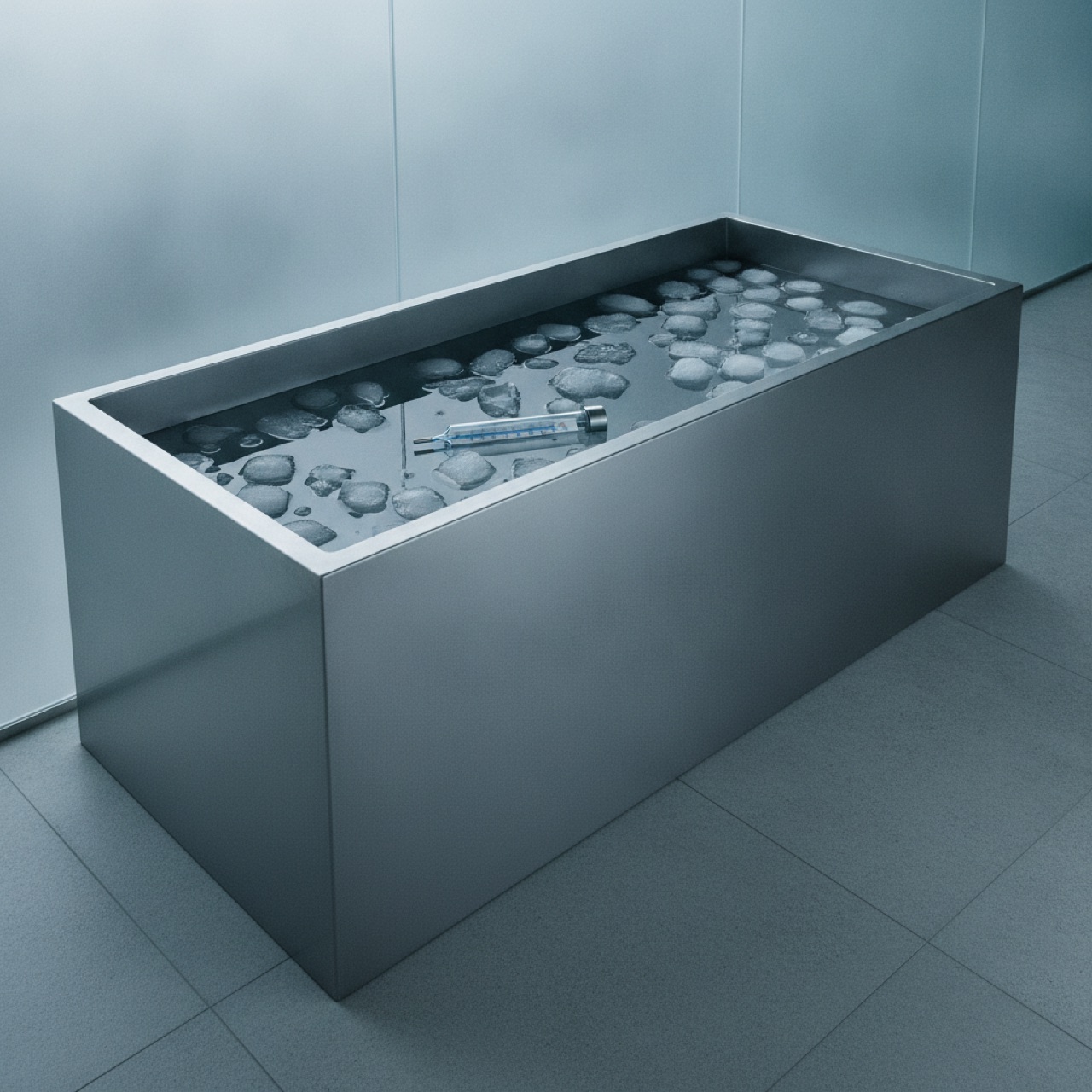
You do not need expensive equipment to start. Most beginners benefit from three items: a tub you can fully submerge in, a thermometer to measure actual water temperature, and a way to warm up afterward.
Inflatable cold plunge tub
Portable, no installation, fits most bathtubs. Ice Barrel Inflatable is the most durable option at ~$300.
Waterproof thermometer
Essential. You cannot accurately control your exposure without knowing the actual water temperature. Target under $25.
Microfiber robe or dry robe
Rapid passive re-warming after your plunge. The Dryrobe Advance is the field standard, though any thick robe works.
★ Best beginner valueScore 9.0/10
Ice Barrel 400
All beginner guides
Each guide below covers one specific aspect of starting a cold plunge practice, with full research citations and practical recommendations.
Cold Plunge Temperature Guide
Beginner, intermediate, and advanced ranges. Includes a temperature-time chart and physiological breakdown.
10 min read
How Long to Cold Plunge
Research-backed durations from 1 minute to 10 minutes. What changes and what the evidence actually says.
9 min read
How Often to Cold Plunge
Frequency guide: 2-5 sessions per week, Huberman protocol, daily plunging risks, and recovery signs.
8 min read
Cold Plunge vs Cold Shower
Systematic comparison of immersion vs shower: surface area, temperature achievable, research backing, and cost.
7 min read
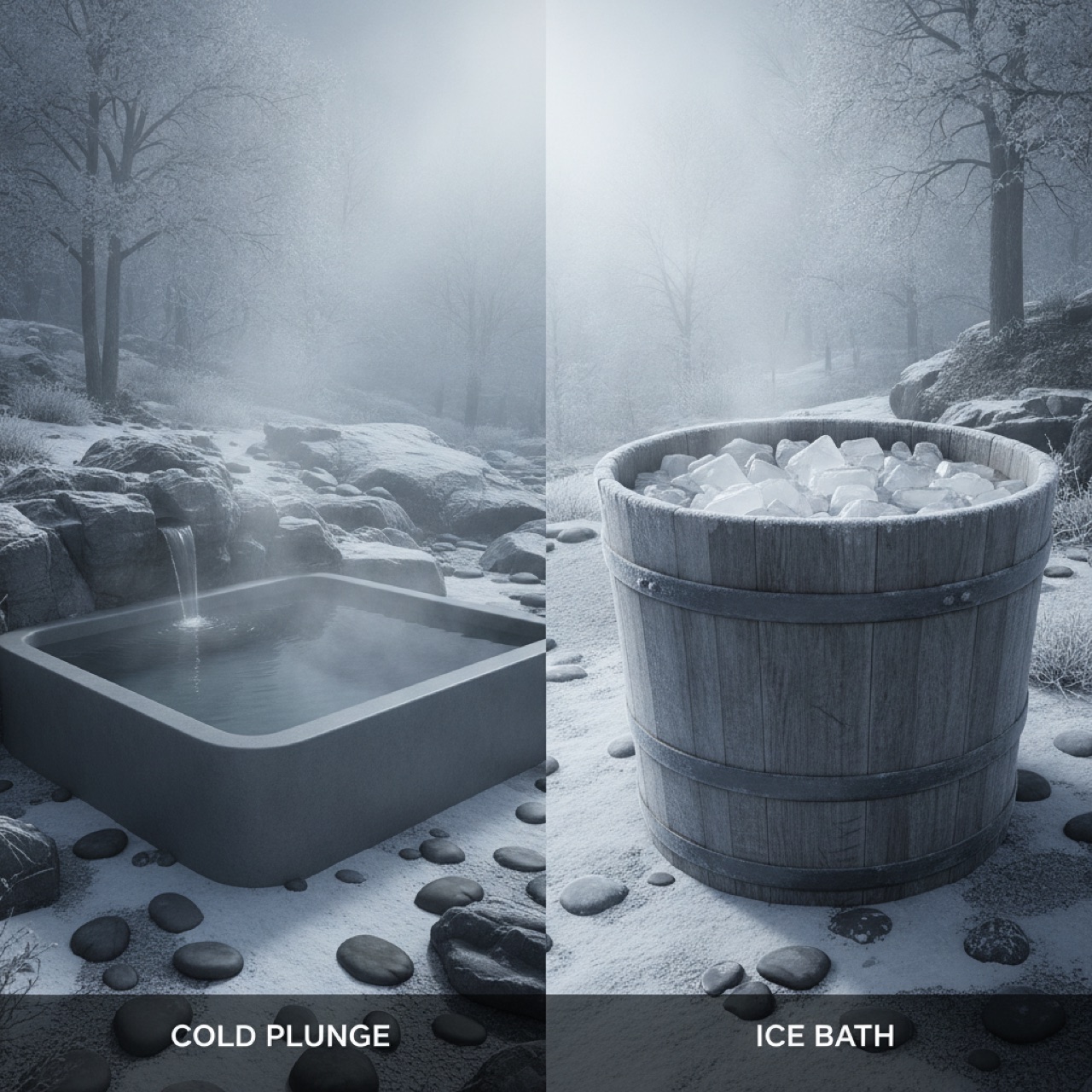
Cold Plunge vs Ice Bath
Chilled water systems vs ice-filled tubs: temperature consistency, maintenance cost, and what the studies actually used.
6 min read
Cold Plunge When Sick
What the science says about cold exposure during illness. The neck-check rule and when to pause your protocol.
7 min read
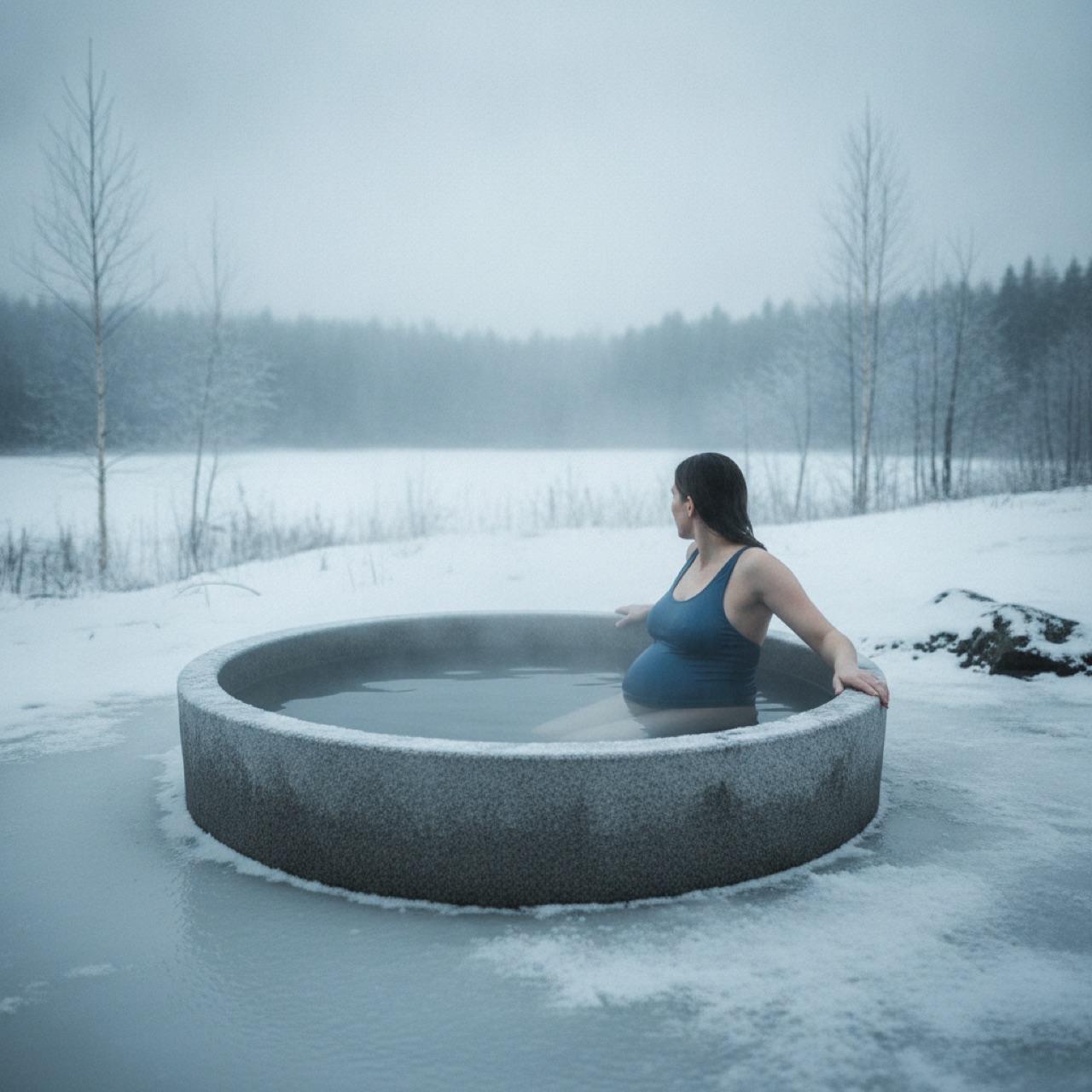
Cold Plunge While Pregnant
Careful review of medical guidance on cold immersion during pregnancy, with trimester-by-trimester context.
8 min read
Cold Plunge Side Effects & Dangers
Cold shock, afterdrop, cardiovascular risk, and who should avoid cold plunging entirely. The honest safety guide.
10 min read
Cold Plunge for Muscle Recovery
What the DOMS research shows, the recovery-vs-adaptation tradeoff, and the best protocol by sport.
10 min read
Cold Plunge Before or After a Workout
Goal-by-goal timing: when cold immersion helps recovery and when it blunts strength and muscle growth.
9 min read
Cold Plunge for Anxiety & Depression
The dopamine and norepinephrine evidence, the resilience angle, and the cautions. Not a treatment substitute.
9 min read
Cold Plunge and Sleep
Why timing decides everything: when an evening plunge wrecks sleep and when daytime cold helps it.
8 min read
Cold Plunge Weight Loss
Brown fat, thermogenesis, and the honest calorie math. A small metabolic lever, not a shortcut.
9 min read
Cold Plunge and Testosterone
Separating the documented effects from the gym-myth claims about cold water and male hormones.
9 min read
Cold Plunge Benefits for Skin
What cold water actually does for skin and what beauty marketing overstates. Circulation, redness, and the barrier.
8 min read
How Much Does a Cold Plunge Cost?
Full price breakdown by type, the running costs people forget, and the gym-vs-buy break-even math.
10 min read
Cold Plunge vs Cryotherapy
Water immersion vs whole-body cryotherapy: depth of cooling, evidence, cost per session, and which fits your goal.
9 min read
Cold Plunge Breathing
Controlling the cold shock gasp reflex, a step-by-step entry protocol, and the hyperventilation mistake that can be fatal.
9 min read
Cold Plunge Mistakes to Avoid
The ten most common cold plunge mistakes, from timing after strength training to skipping GFCI, and how to fix each.
10 min read
Cold Plunge Heart Rate and Blood Pressure
What cold water does to heart rate and blood pressure, who is genuinely at risk, and when to get medical clearance first.
10 min read
Cold Plunge Acclimation
How cold tolerance actually builds, why habituation blunts the shock response, and a progression that does not overreach.
9 min read
Cold Plunge for Women
Where the female-specific evidence stands, cycle and menopause considerations, and the gaps most research does not cover.
10 min read
How Much Ice for a Cold Plunge?
The real thermodynamics, a lookup table of ice by tub size and target temperature, and when a chiller beats buying bags.
9 min read
Cold Plunge and Dopamine
Where the 250% dopamine claim came from, what the study actually measured, and why norepinephrine explains more of what you feel.
10 min read
Cold Plunge and the Immune System
The 3,000-person cold shower trial, the Wim Hof endotoxin study, and what the evidence does and does not support.
10 min read
Cold Plunge and Brown Fat
How brown adipose tissue and non-shivering thermogenesis actually work, and the honest size of the metabolic effect.
10 min read
Cold Plunge for Seniors
How thermoregulation and cardiovascular reserve change with age, the real contraindications, and a conservative way to start.
10 min read
Cold Plunge and Insulin Sensitivity
What the cold acclimation research shows about glucose metabolism, and why it does not transfer cleanly to a 3-minute plunge.
10 min read
Cold Plunge for Arthritis
Why cold helps an inflamed flaring joint but heat usually wins for stiffness, plus the contraindications that matter here.
10 min read
Cold Plunge for Runners
Why runners have more freedom than lifters, marathon recovery timing, and pre-cooling before racing in the heat.
10 min read
Frequently asked questions
How cold does a cold plunge need to be for beginners?+
55-61°F (13-16°C) is the recommended starting range for beginners. This is cold enough to trigger the physiological responses - cold shock, norepinephrine release, and vasoconstriction - without overwhelming your system. Most tap water runs at 50-60°F in colder months, so you may not need ice at all to start.
Can I just use my bathtub for cold plunging?+
Yes. Fill the bathtub with cold tap water and add ice if you want to reach lower temperatures. The main limitation is that your feet will be elevated rather than fully submerged, and the water warms up faster than a dedicated tub. It is a perfectly fine starting point before investing in equipment.
How long should a beginner stay in a cold plunge?+
60-90 seconds is a reasonable starting target at 57-61°F. The goal in week one is not to maximize duration - it is to practice controlled breathing and get familiar with the cold shock response. Research by Dr. Susanna Soberg (2021) suggests a minimum of 11 minutes per week total exposure time to achieve measurable metabolic effects, which you can build toward gradually.
What is the cold shock response and is it dangerous?+
The cold shock response is the immediate involuntary reaction when cold water hits the skin: a sharp gasp, rapid hyperventilation, and a spike in heart rate and blood pressure. For healthy adults it passes within 30-90 seconds. The danger is that the gasp reflex can cause water aspiration if your face is submerged, and the heart rate spike can trigger arrhythmia in people with undiagnosed cardiac conditions. Enter slowly, keep your head above water, and breathe through it.
Should I cold plunge before or after a workout?+
The answer depends on your goal. For recovery and reducing soreness, cold plunging within 1-2 hours after exercise is well-studied (Cochrane review, 2012, found cold water immersion reduced delayed onset muscle soreness compared to passive recovery). For strength and muscle building, some research suggests cold plunging immediately after resistance training may blunt hypertrophic signaling. If building muscle is your priority, delay your cold plunge 4-6 hours after lifting.
What should I do after a cold plunge?+
Warm up passively. Move around, put on warm layers, and let your body generate its own heat through thermogenesis. This is when the metabolic benefits - brown adipose tissue activation and norepinephrine release - are most pronounced. Avoid jumping into a hot shower immediately; that interrupts the process. Allow 10-20 minutes of passive re-warming before applying external heat.
Is cold plunging safe for people with high blood pressure?+
Cold immersion causes an acute, transient increase in both heart rate and blood pressure as part of the diving reflex and sympathetic nervous system activation. For people with controlled hypertension who are otherwise healthy, this is generally well-tolerated, but you should consult your physician before starting. People with uncontrolled hypertension, history of stroke, or cardiovascular disease should get explicit medical clearance.