Affiliate disclosure - we earn from qualifying purchasesBeginner guide10 min readUpdated Jul 2026
How to Get Used to Cold Plunge:
acclimation, not willpower.
Quick answer
You get used to cold plunge water by habituating the cold shock response, not by toughing it out. Start warmer, around 60 to 65°F for 30 to 90 seconds, and go 2 to 3 times a week. The gasp-and-hyperventilate reaction drops by roughly 50 percent after just 5 to 6 immersions, and full comfort develops over 4 to 8 weeks as you gradually lower the temperature and add time. Controlled exhales do most of the work. Chasing the coldest water on day one is counterproductive and riskier.
Reviewed by
Dr. Renée Halvorsen, PhD
Exercise physiologist. 11 years researching cold-water immersion at NTNU. Author of The Cold Protocol (Penguin, 2024).
Verified Expert38 articles
How long it takes to get used to it
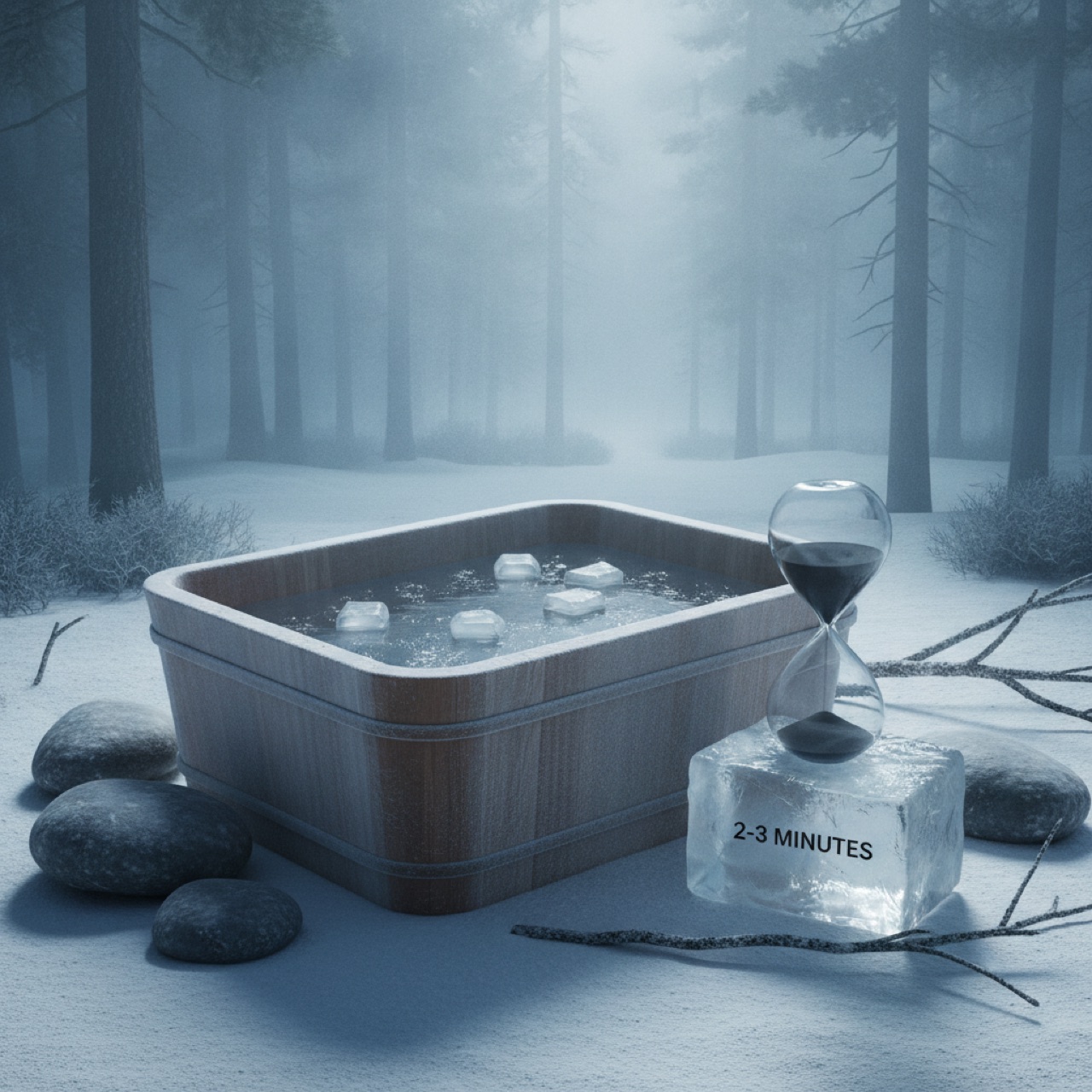
Getting used to a cold plunge happens on two timelines, and confusing them is the source of a lot of frustration. The first is fast: the raw cold shock response, the involuntary gasp and burst of rapid breathing on entry, calms down within your first handful of sessions. The second is slower: the broader sense that a plunge is a normal, unremarkable part of your week develops over roughly one to two months.
The encouraging news is that the hardest-feeling part adapts the quickest. A 2024 systematic review and meta-analysis from the University of Portsmouth (Croft and colleagues) pooled the cold water immersion literature and confirmed that the cold shock response habituates rapidly, with meaningful reductions after only a few short immersions. Earlier work by Michael Tipton and colleagues at Portsmouth put a number on it: the response can be cut by about 50 percent after five or six two-minute immersions. You are not looking at months of misery. You are looking at about two weeks to turn panic into merely bracing.
This is why the goal in your early sessions is not endurance. It is exposure frequency. Short, repeated dips teach your nervous system that the cold is survivable and predictable, which is exactly the signal that drives habituation. For the full picture on session length, see our guide on how long to cold plunge.
The science of cold shock habituation
When you first hit cold water, receptors in your skin fire a coordinated alarm: an inspiratory gasp, a surge of hyperventilation, and a rise in heart rate and blood pressure. This cold shock response peaks within about 30 seconds and, in most people, begins settling over the first 3 minutes of a single immersion. It is the body's protective startle to sudden cooling, and on its own it is the most dangerous moment of any cold exposure because an uncontrolled gasp underwater is how drowning accidents happen.
Habituation is the process by which that same stimulus produces a progressively smaller response with repetition. Here is a detail that helps set expectations: not every part of the response fades equally. Portsmouth studies found that after eight immersions, respiratory frequency dropped by around 49 percent and minute ventilation by around 56 percent, while heart rate fell by a more modest 34 percent. The very first gasp in the opening seconds barely habituates at all. So the sharp inhale on entry never fully disappears, but the runaway hyperventilation that follows it, the part that feels like losing control, fades substantially and quickly.
1
Session 1
The naive response
Your first immersion produces the full cold shock response: an involuntary gasp, breathing that spikes toward 40 to 80 breaths per minute, and a jump in heart rate. It feels alarming because it is a novel stimulus. Nothing is wrong with you. This is the baseline your nervous system will adapt away from.
Baseline cold shock2
Sessions 2-4
The response starts to soften
By the second and third immersions, most people notice the panic phase is shorter. The gasp still fires, but you regain control of your breath faster. This is habituation beginning: the same cold stimulus produces a smaller reaction. Frequency matters more than duration here, so short repeated sessions build tolerance efficiently.
Habituation begins3
Sessions 5-6
Roughly half the shock is gone
Portsmouth research found the cold shock response can be cut by about 50 percent after five to six short immersions. Around this point beginners describe the water as bracing rather than frightening. You can enter, exhale, and settle within the first 20 to 30 seconds instead of fighting your own breathing.
About 50% reduction4
Weeks 4-8
It becomes routine
With consistent 2 to 3 times weekly practice, the plunge shifts from an event you brace for to a normal part of your week. Your breathing barely changes on entry, you tolerate colder water, and the mental resistance beforehand shrinks. This is functional acclimation, and it is where most people want to be.
Durable adaptation5
Months later
The adaptation sticks
Habituation of the cold shock response is long-lasting. Tipton and colleagues showed it persists for months and, in part, indefinitely. A short break will not erase it. After a long layoff the shock may feel sharper, but you re-acclimate faster than the first time because the change is partly retained.
Long-term retentionOne more reassuring finding: the adaptation lasts. Tipton and colleagues specifically studied the permanence of cold shock habituation and found it persists for months and, in part, appears to be effectively permanent. You are not building a fitness that evaporates the moment you skip a week.
Why starting warm beats going extreme
The single most common beginner error is treating colder as better and jumping into 40°F water to prove something. The intensity of the cold shock response scales with how cold the water is, so the coldest water produces the largest, most overwhelming reaction, which is precisely the reaction you are trying to habituate away. Starting at an extreme makes the shock harder to control, not more impressive.
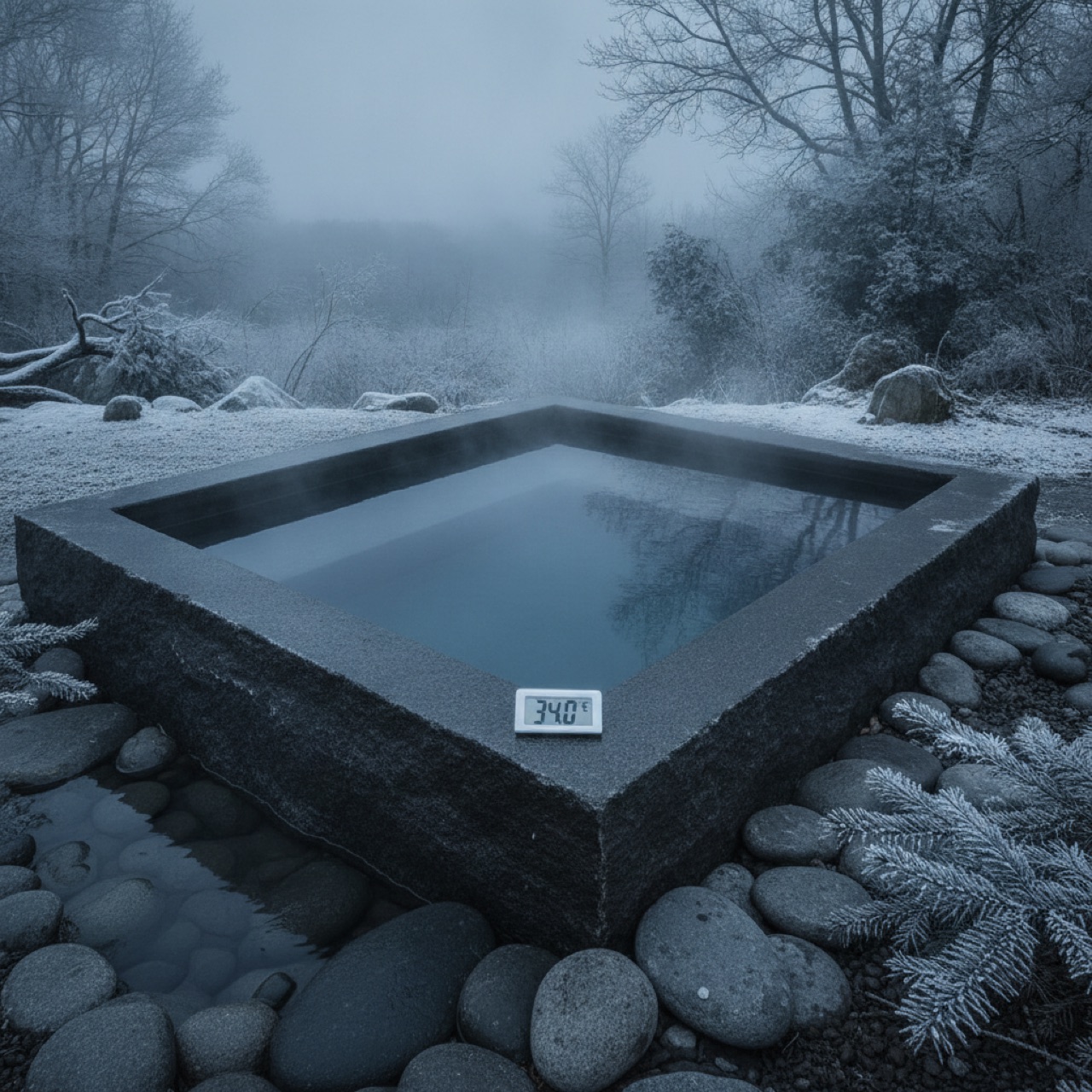
Dr. Susanna Soberg, whose cold therapy research informs many current protocols, recommends beginners start around 60 to 65°F for a minute or two and lower the temperature gradually over several weeks. Warmer starting water gives you a manageable stimulus: strong enough to drive adaptation, mild enough that you can keep your breathing under control and actually learn something. Once the shock response has habituated at a moderate temperature, colder water becomes tolerable because your nervous system no longer overreacts to it.
Add time before you drop temperature. In any given week, extend your duration at your current temperature first, and only lower the water once the current setting feels routine. This keeps the stimulus progressive without ever spiking it.
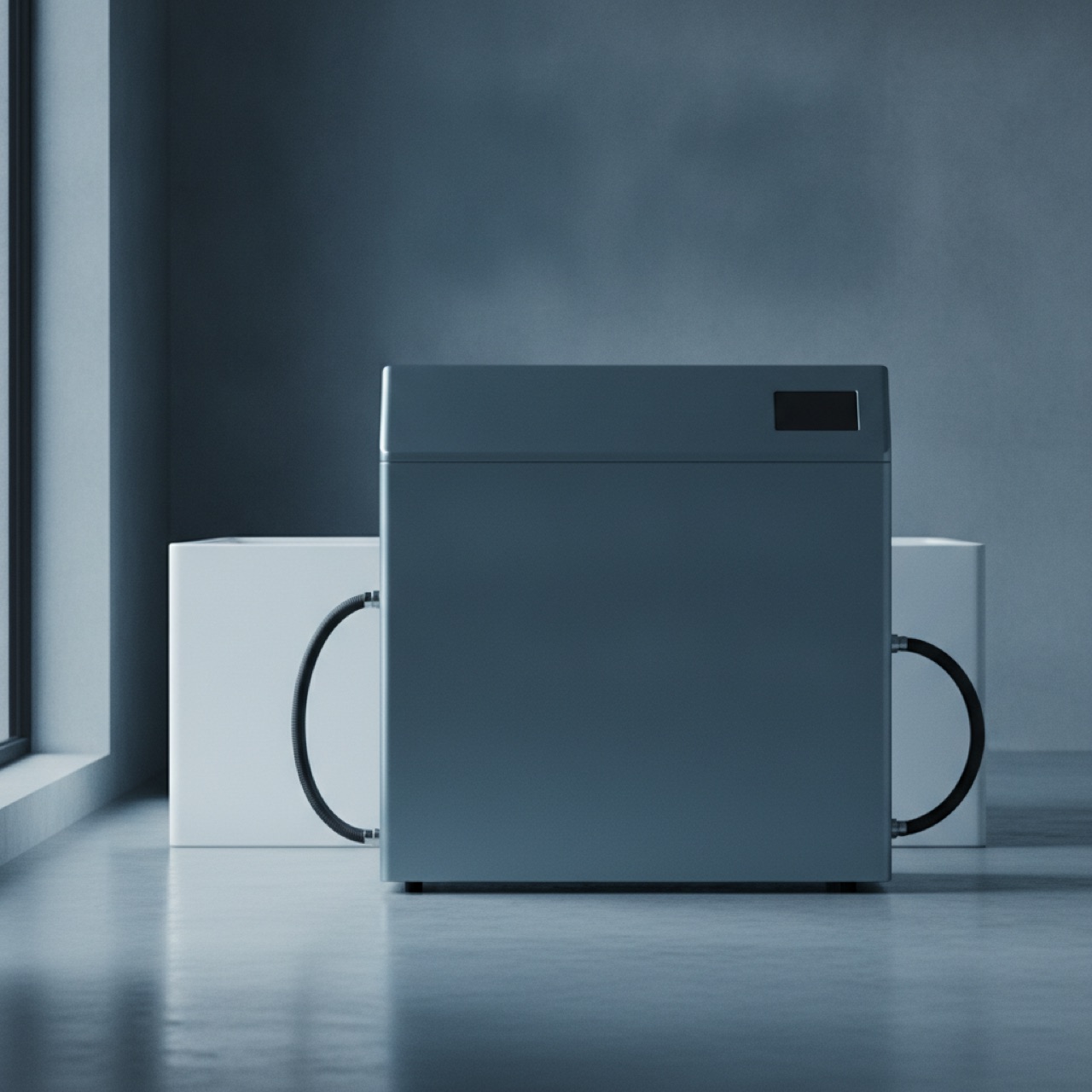
Going too cold too fast is also the riskier path. Colder water shortens your safe window and increases the afterdrop, the continued fall in core temperature for 10 to 15 minutes after you exit as cold blood from your limbs returns to your core. A controlled temperature is easier to manage safely, which is one practical reason a chiller with an adjustable setpoint suits an acclimation plan better than an unheated tub you cannot dial in.
★ Best for dialing temperatureScore 8.7/10
The Cold Pod Chiller
An adjustable chiller lets you start warm and drop the temperature one degree at a time, which is exactly how a progressive acclimation plan is supposed to work. Precise control beats a tub you can only make colder with ice.
Week-by-week acclimation plan
This is a conservative, evidence-aligned progression for a healthy adult with no cardiovascular conditions. It front-loads frequency to drive habituation, then eases the temperature down as the shock response settles. Treat the numbers as a starting frame, not a rule. If a week feels too hard, repeat it before advancing.
| Phase | Temperature | Duration | Per week | Focus |
|---|
| Week 1 | 62-65°F / 17-18°C | 30-60 sec | 2-3x | Control the gasp. Exit while still calm. |
| Week 2 | 60-62°F / 15-17°C | 60-90 sec | 2-3x | Steady the breath. Let shivering stay mild. |
| Week 3 | 57-60°F / 14-16°C | 90 sec - 2 min | 3x | Add time before dropping temperature. |
| Week 4 | 54-57°F / 12-14°C | 2-3 min | 3x | First real cold. Keep sessions short. |
| Weeks 5-8 | 50-55°F / 10-13°C | 2-4 min | 3-4x | Settle into a durable, repeatable routine. |
Full-body immersion to shoulder level. Always exit while you can still control your breathing and grip. If you have heart problems, high blood pressure, or are pregnant, get medical clearance before starting cold immersion.
Two principles hold this plan together. First, frequency drives the fast adaptation, so two or three shorter sessions beat one heroic weekly plunge. For the reasoning, see how often to cold plunge. Second, only change one variable at a time: add duration or lower temperature, never both in the same week. The temperature guide covers the target ranges in depth.
Breathing through the shock
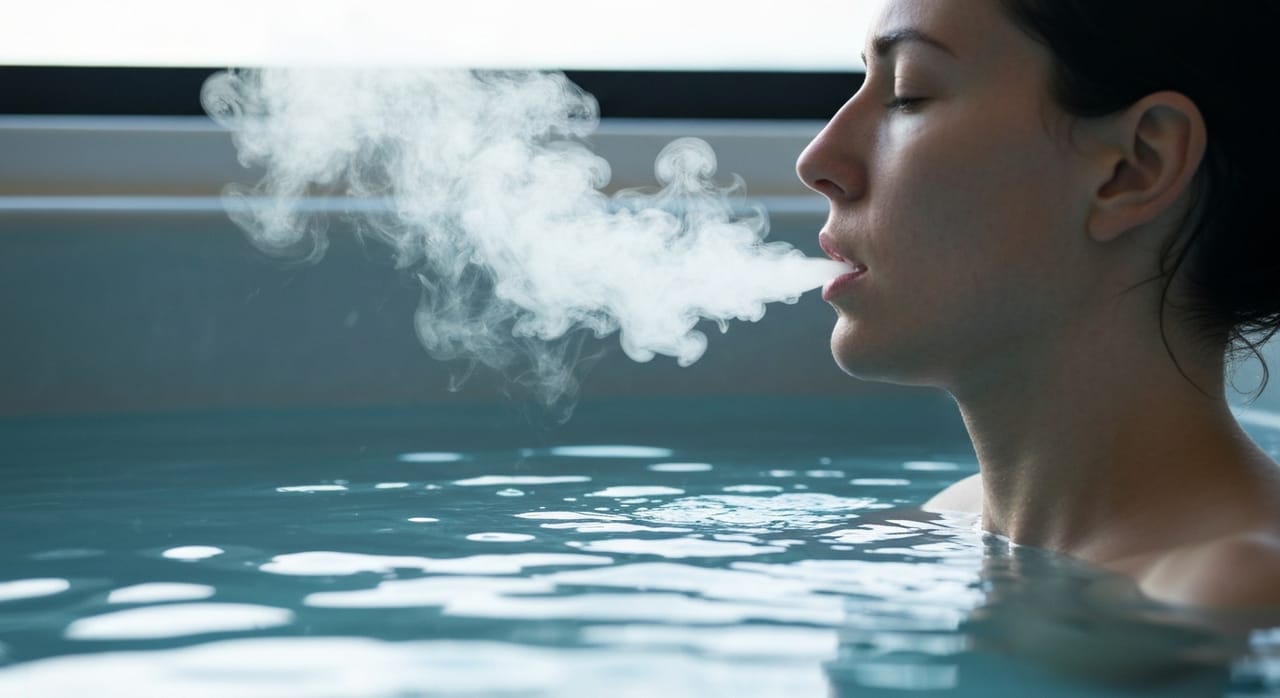
Breath control is the skill that makes acclimation feel possible, because the hyperventilation part of the cold shock response is the part you can directly override. The technique is simple and it works from the first session.
The entry breathing sequence
Before you enter
Box breathing
Four counts in, hold four, out four, hold four, for a minute or two. This raises parasympathetic tone and pre-calms the gasp reflex before you touch the water.
On entry
Exhale, do not inhale
The instinct is to gasp inward. Instead, breathe out slowly and deliberately as you lower in. A long exhale directly counters the gasp and keeps you from hyperventilating.
First 30 seconds
Long exhales
Slow nasal inhale for about 4 seconds, soft mouth exhale for 6 to 8 seconds. The extended exhale signals your nervous system to leave stress mode and settles your heart rate.
Settled
Just breathe slow
Once the shock passes, keep breathing calm and unhurried. Do not hold your breath and do not force deep breaths. Steady is the target.
One caution: do not do intense breath-hold or hyperventilation drills, like repeated forced breathing, immediately before getting in the water. Combining breath-holds with cold immersion raises the risk of blacking out. Keep pre-plunge breathing gentle and steady. Our dedicated cold plunge breathing guide goes deeper on the techniques.
Mental strategies that hold up
Physiology gets you most of the way, but the minute before you get in is a psychological battle. Anxiety measurably worsens the cold shock response, so managing your head is not fluff, it is part of the mechanism. A few strategies that consistently help:
01Decide before you enter, not during
Set your target time before you get in, and commit to it. Time perception distorts in cold water, and negotiating with yourself mid-plunge almost always ends with you cutting it short. A fixed target removes the argument.
02Aim for calm, not conquest
The goal each session is to enter and settle your breathing, not to break a record. Framing the plunge as a breathing practice rather than a test of toughness lowers the anticipatory dread that makes the shock worse.
03Use the 30-second rule
The worst of the cold shock is over in about 30 seconds. Tell yourself you only have to stay calm through the first half-minute. Once breathing is under control, the rest of the session is comparatively easy.
04End while still cold
Dr. Soberg advises finishing the session while you still feel cold rather than staying until you are numb. This gives you a clear, controlled endpoint and lets your body rewarm on its own, which is safer and reinforces a positive association.
05Keep a streak, not a max
Consistency drives habituation. Track how many sessions you have done, not how cold or how long. A frequency habit beats occasional extreme efforts every time.
Acclimation mistakes to avoid
Most stalled progress traces back to a handful of avoidable errors:
!Starting as cold as possible
Extreme cold produces the largest shock response, which is the hardest to control and the easiest to quit on. Start warm and let the temperature come down over weeks.
!Chasing duration too early
In the first two weeks, staying in longer does nothing for habituation and raises your afterdrop risk. Frequency, not endurance, drives the fast adaptation.
!Going too infrequently
One plunge every ten days keeps you perpetually at baseline. The shock never habituates because the sessions are too far apart. Aim for two or three a week minimum early on.
!Rushing to rewarm aggressively
Jumping into a hot shower right after can worsen the afterdrop. Rewarm gradually with dry layers and gentle movement, and have a towel and warm clothes ready before you get in.
!Ignoring the warning signs
Getting used to cold does not mean ignoring your body. Uncontrollable violent shivering, slurred speech, or loss of grip mean exit now. Acclimation is about a calmer response, not a higher pain threshold.
See also: cold plunge mistakes beginners make and what the benefits evidence actually shows.
FAQ
How long does it take to get used to cold plunge water?+
The sharp cold shock response - the gasp and rapid breathing you feel on entry - measurably calms after about 4 to 6 immersions. A 2024 systematic review and meta-analysis from the University of Portsmouth (Croft and colleagues) found the response can be reduced by roughly 50 percent after five to six short cold-water immersions. That is the fast part. Broader comfort, where a plunge feels routine rather than alarming, tends to develop over 4 to 8 weeks of consistent, 2 to 3 times weekly practice.
What temperature should a beginner start a cold plunge at?+
Start around 60 to 65°F (15 to 18°C) for 1 to 2 minutes. This range reliably triggers the adaptation process while staying manageable enough that you can keep your breathing under control. Dr. Susanna Soberg, whose cold therapy research underpins many current protocols, recommends beginners drop the temperature gradually over several weeks toward the well-studied 50 to 59°F band rather than starting as cold as possible on the first day.
Does the gasp reflex ever fully go away?+
Not entirely. The initial inspiratory gasp in the first few seconds of immersion habituates less than the hyperventilation that follows it. In Portsmouth research, respiratory frequency and minute ventilation dropped by about 49 and 56 percent after eight immersions, while the very first gasp stayed relatively similar. In practice this means the first two or three seconds always feel sharp, but the panicky loss of breath control afterward fades quickly with repetition.
Is it better to acclimate with cold showers first?+
Cold showers are a legitimate on-ramp, especially for controlling the breathing response and building the daily habit, but they are a weaker stimulus than immersion. A shower cools a smaller skin area and lets you turn away from the stream, so the cold shock is milder. Use cold showers to practice exhaling and staying calm, then move to a plunge once you can keep your breathing steady under the water for 60 seconds.
Does getting used to cold water last, or do you lose it?+
Habituation is durable. Tipton and colleagues at Portsmouth found the reduced cold shock response persists for months and, in part, appears to last indefinitely once established. A break of a week or two will not undo your progress. After a long gap of several months you may notice the shock feels sharper again, but re-acclimation is faster the second time because the adaptation is partly retained.
Why is it a bad idea to jump straight into the coldest water?+
Two reasons. First, the colder the water, the stronger the cold shock response, and an overwhelming gasp-and-hyperventilate reaction is where most beginners lose breath control and quit. Second, colder water shortens your safe exposure window and raises the risk of the afterdrop, where core temperature keeps falling for 10 to 15 minutes after you exit. Starting warmer lets your nervous system habituate the shock response first, so when you do reach colder water you can stay calm and in control.