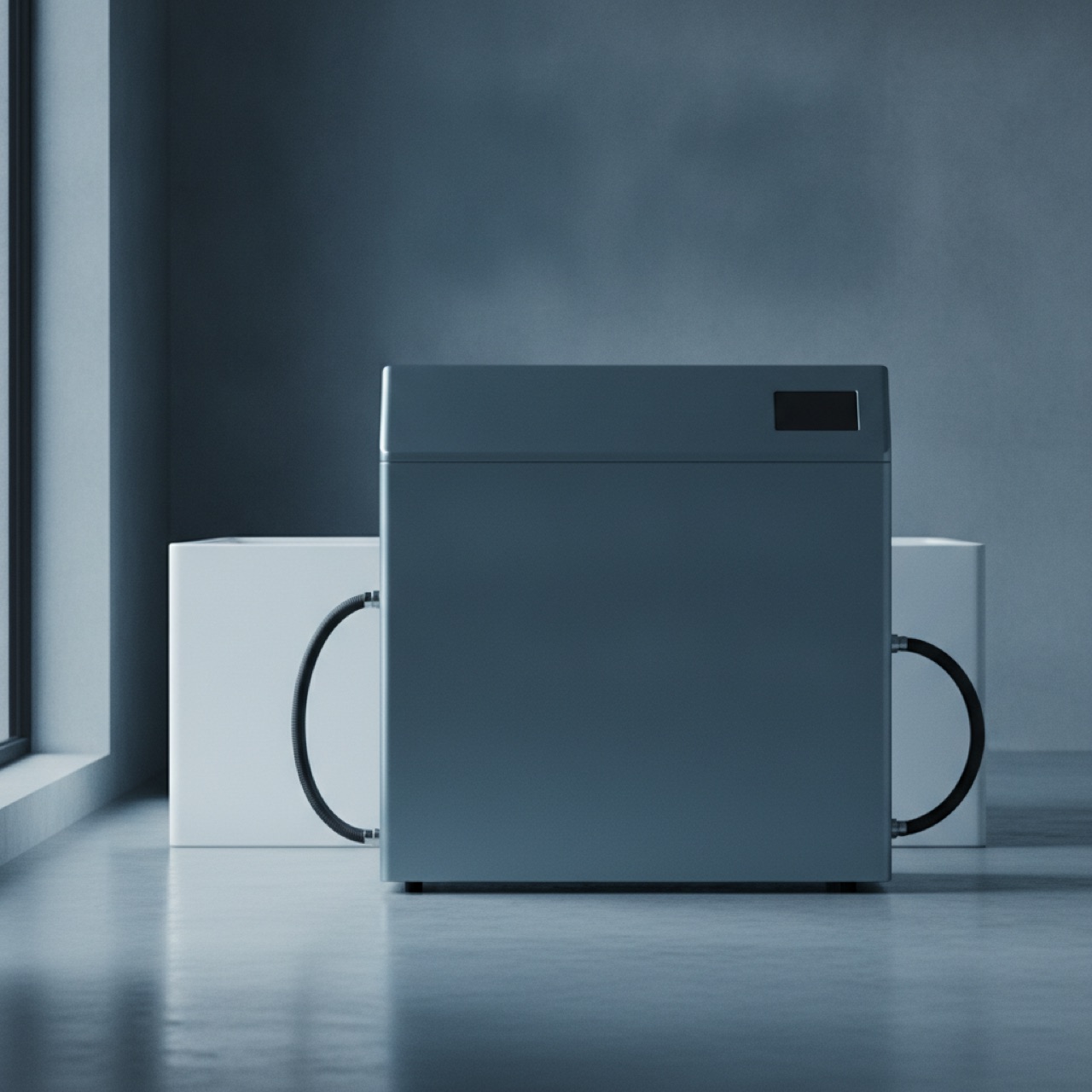
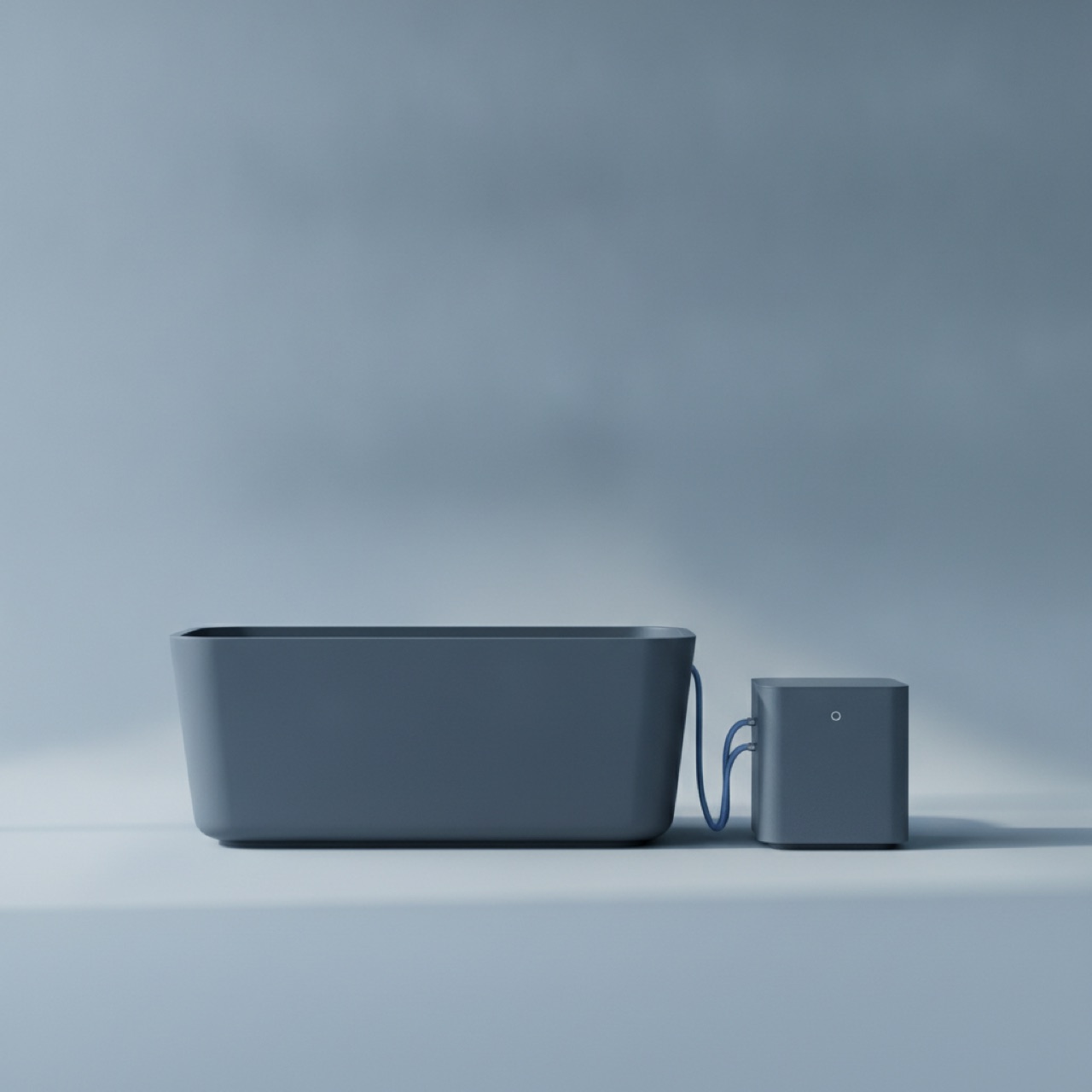
Plunge Pro Chiller Gen 2 Review: $3,490 for 12.5°F/hr
The Plunge Pro Chiller Gen 2 delivers 12.5°F per hour cooling - fast enough to reach 39°F in a 100-gallon tub in about 2.5 hours. It is 25% faster and 35% more energy efficient than Gen 1. At $3,490 for a standalone chiller, the case for it is strongest for users who want plug-in quality without DIY complexity and have a tub they want to pair it with.
4.3 / 5
The Plunge Pro Chiller Gen 2 is the right choice for users who have an existing tub, want no-DIY chiller installation, and are willing to pay the premium for Plunge's brand warranty and speed advantage.
The Penguin Cold Therapy Chiller at $1,949 delivers comparable standalone performance for $1,500 less. The Active Aqua DIY route at $849 requires more work but saves $2,600+.
Full specifications
The cooling speed advantage
The most important practical improvement in Gen 2 is the 12.5°F/hr cooling rate. For a 100-gallon tub starting at 70°F tap water:
The 12.5°F/hr rate means you can plunge same-day without pre-chilling overnight - a genuine quality-of-life improvement. The Active Aqua DIY route at $849 takes 6-8 hours initial cooldown, which most users manage by pre-chilling overnight.
Pros and cons
How it compares: the honest value picture
The Plunge Pro Chiller Gen 2 is most justified for Plunge ecosystem users who want a matched upgrade from their existing chiller, or for buyers who specifically want Plunge's warranty terms and do not want to source a DIY setup. For everyone else, the Penguin Cold Therapy Chiller at $1,949 or the Active Aqua DIY route at $849 deliver comparable cold water performance.
How the Plunge Pro compares to other cold plunge chillers
Standalone chillers split into two groups. Purpose-built cold therapy units (Plunge, Penguin) ship with an internal pump, filtration, and fittings sized for a plunge. Repurposed hydroponics and aquarium chillers (Active Aqua, EcoPlus) cost a fraction as much and put out competitive BTU numbers, but you supply the pump, the plumbing, and the troubleshooting. The table below is built from manufacturer published specifications, not from our own instrumented testing of every unit.
| Chiller | HP | Cooling output | Min temp | Price | Best for |
|---|---|---|---|---|---|
Plunge Pro Chiller Gen 2 Plunge | 0.75 HP | 12.5°F/hr (BTU not published) | 37°F | $3,490 | Existing tub owners who want a plug-in unit with brand support and a 120°F ambient rating |
Plunge Evolve Pro Chiller Plunge | 1 HP | Rate not published | 37°F | from $4,349 | Bigger tubs or hot climates inside the Plunge ecosystem, with app control |
Penguin Cold Therapy Chiller Penguin Chillers | 3/4 HP | 7,500 BTU/hr (450 W) | High 30s°F | $1,949 | The standalone value pick up to roughly 100 gallons. Rated 56 dBA, built in the USA |
EcoPlus Commercial Grade 1 HP EcoPlus | 1 HP | 8,525 BTU/hr (870 W) | 37°F | $1,099 | Stock tanks, XL and two-person tubs where 62-65 dB of compressor noise is acceptable |
Active Aqua AACH50HP Active Aqua | 1/2 HP | 4,020 BTU/hr (510 W) | 39°F | $849 | DIY builds around 90-172 gallons. Titanium evaporator, needs a separate pump and fittings |
Active Aqua AACH25HP Active Aqua | 1/4 HP | 3,010 BTU/hr (460 W) | 40°F | $599 | Insulated 40-92 gallon tubs on a budget, in a moderate climate with the lid closed |
Specifications from manufacturer and retailer listings: Plunge Pro Chiller Gen 2 · Plunge Evolve Pro Chiller · Penguin Cold Therapy Chiller · EcoPlus Commercial Grade 1 HP · Active Aqua AACH50HP · Active Aqua AACH25HP. Prices checked July 2026 and move with promotions.
Read across the table and the Plunge Pro Chiller is not the strongest cooler on the list. The EcoPlus 1 HP puts out more raw BTU per hour for a third of the price, and the Penguin 3/4 HP is the closest direct competitor at 7,500 BTU/hr for $1,949. What the $3,490 actually buys is a published cooling rate you can plan a morning around, a 120°F ambient rating that no hydroponics chiller claims, ozone sanitation and a 20-micron filter built into the same box, and a single vendor to call when something fails. Those are real things, but they are convenience and support rather than cooling power.
One caution when cross-shopping on horsepower alone: HP is not a standardized measure of cooling. Penguin gets 7,500 BTU/hr out of 3/4 HP while EcoPlus gets 8,525 BTU/hr out of 1 HP, and Plunge publishes no BTU figure for the Pro Chiller at all, only the 12.5°F per hour rate for its own tub sizes. Compare BTU per hour where it is published, and treat a bare HP number as a rough class label. Our best cold plunge chiller guide ranks these units head to head, and the DIY chiller build guide covers what it takes to make the cheaper units work.
How to choose a cold plunge chiller
Start with the volume of water you actually need to hold cold. Measure the tub interior and work out the filled volume rather than the manufacturer capacity, since you plunge with the water below the rim and your body displaces some of it. Then match that volume to a BTU per hour figure. The table below is the starting point most builders use for an insulated tub with a lid, in a moderate climate.
Now adjust for the three things that break the rule of thumb. Ambient temperature is the biggest one: a chiller sheds roughly 15 to 25% of its rated capacity as the air around it climbs from 70°F to 95°F, so a nominal 1 HP unit behaves like a 0.75 HP unit on a hot afternoon. That is the specific problem the Plunge Pro Chiller's 120°F ambient rating is designed around, and it is why a garage in Phoenix and a garage in Minnesota need different sizing for the same tub. Sun exposure adds another 20 to 30% to the load if the tub sits uncovered in direct light, which is a lid problem more than a chiller problem. Insulation swings the answer further than most buyers expect: an insulated fiberglass or cooler-based tub with the lid closed can hold temperature on a 1/4 HP unit near 3,000 BTU/hr, while a bare metal stock tank of the same volume may need 1/2 to 1 HP to stay under 45°F in warm weather.
Two practical rules follow from that. First, size for holding temperature in your worst month, not for the initial cooldown, because the initial pull-down happens once and holding happens every day. An undersized chiller does not fail loudly, it just never quite reaches your setpoint in August. Second, when you are between sizes, buy up. Oversizing costs a few hundred dollars once and means the compressor runs at a lower duty cycle, which is quieter and often cheaper to run than a smaller unit grinding at near-continuous load.
Beyond sizing, three specification lines decide whether a chiller survives cold plunge duty. Look for a titanium evaporator rather than copper or stainless, because skin oils, salts, and sanitizer corrode copper heat exchangers over time. Check whether the pump is internal or separate, since a hydroponics chiller with no onboard pump means sourcing a pump, fittings, and hose that match the flow rating. And confirm the electrical requirement before you buy, not after: the Plunge Pro Chiller and most 3/4 to 1 HP units want a dedicated 120V 15-amp circuit with GFCI protection.
Noise and day-to-day operation
Plunge does not publish a decibel figure for the Pro Chiller and describes it as ultra-quiet. That leaves buyers guessing, so here is an honest framing based on how these units work and where comparable chillers land. The Gen 2 uses a variable-speed fan and a variable-speed pump, which is the single biggest reason it runs quieter than an older fixed-speed chiller: instead of one loud setting, it modulates output to match how much cooling the water actually needs. Purpose-built cold plunge chillers in this class commonly measure around 50-52 dB while actively cooling and fall to roughly 46 dB when only the circulation pump is running. That is comparable to a modern refrigerator or a quiet dishwasher heard from the next room.
In practice, noise tracks how hard the compressor is working. The chiller is loudest during the initial cooldown, when it is pulling a full tub down from tap temperature, and near-silent the rest of the day when it is only holding a setpoint and cycling on briefly to correct drift. Once the water is at temperature, the pump does most of the audible work, circulating the entire volume roughly every 15 minutes for filtration and ozone sanitation. If the unit will sit under a bedroom window, against a shared fence, or inside a small enclosed room, plan for that: keep clear airflow around the fan intake and exhaust, avoid boxing it into a tight cabinet that traps heat and reflects sound, and set it on a solid, level surface so the compressor does not buzz against a hollow deck. For a broader look at how models stack up on noise and cooling power, see our best cold plunge chiller guide.
Running cost and maintenance: what ownership actually looks like
Electricity is the recurring cost people underestimate, and it is easier to reason about than the marketing suggests. A 3/4 HP class chiller draws roughly 450 to 700 watts while the compressor is running. Penguin publishes 450 watts and 3.9 amps for its 3/4 HP unit; the Active Aqua 1/2 HP draws 510 watts and the EcoPlus 1 HP draws 870 watts. Once the water is at your setpoint, the compressor is not running continuously. It cycles, typically 30 to 40% of the time, which puts a 3/4 HP unit around 3 to 6 kWh a day. At the US average residential rate of about 18.8 cents per kWh (EIA data for April 2026) that is roughly $17 to $34 a month.
Check the assumptions behind any published figure. Penguin quotes $18 to $28 a month for its 3/4 HP chiller, but that estimate is calculated at 12 cents per kWh, well under the current national average, so the same unit at 2026 average rates lands closer to $28 to $44. Plunge does not publish a kWh or wattage figure for the Pro Chiller at all. The 35% efficiency gain over Gen 1 and the Eco Mode claim of up to 25% less power are both relative numbers, useful for choosing between generations and useless for building a budget. Plan on the same $15 to $45 a month band as the rest of the category, at the lower end if your tub is insulated and lidded in a temperate garage, at the higher end if it sits outdoors in a hot climate. The variables that actually move your bill are ambient temperature, whether the lid stays on between sessions, and how well the tub is insulated, not the badge on the chiller. Our cold plunge cost breakdown puts these figures alongside the rest of the ownership picture.
On noise, the honest reference points come from the brands that publish numbers. Penguin rates its 3/4 HP unit at 56 dBA. Active Aqua units are generally reported in the 55 to 62 dB range and EcoPlus commercial units run louder at 62 to 65 dB, which is why the cheap high-BTU option is usually the wrong one for a chiller sitting outside a bedroom wall. Plunge publishes no decibel figure for the Pro Chiller. What we can say is that a variable-speed fan and pump let a unit run below its peak most of the day, and that any of these chillers is loudest during the first pull-down from tap temperature and close to background noise once it is only correcting drift.
Maintenance is short but not optional. The Pro Chiller uses an 8-inch by 4-inch diameter 20-micron cartridge filter with onboard ozone sanitation. General practice across residential cold plunges is to rinse the cartridge with a hose weekly and replace it every three to four weeks with regular use, or every four to six weeks for lighter schedules. Water changes typically run every two to four weeks, and a good filtration and sanitation setup stretches that further, which is the practical argument for the ozone system. Plan a deep clean every four to six weeks.
Skipping the filter cadence costs money in a way that is easy to miss. A clogged cartridge chokes flow, the pump works harder against the restriction, the chiller sees less water passing over the heat exchanger, cooling slows, and the electricity bill climbs while the water quality drops. If your unit suddenly takes noticeably longer to reach temperature, check the filter before you suspect the compressor. For sanitizer choices, testing, and how ozone fits alongside them, see our cold plunge water care guides.
Installation and electrical requirements
The Pro Chiller runs on a dedicated 120V 15-amp circuit. Dedicated matters: that outlet should power the chiller and nothing else, because sharing the circuit with other loads risks nuisance breaker trips when the compressor draws its startup surge. Most modern homes already have a spare 15-amp circuit available, so this is a modest ask compared with larger commercial chillers that demand 20 to 60 amps, but it is still worth confirming before you buy rather than after the unit arrives.
GFCI protection is required for any cold plunge setup, because water and line voltage in close proximity is exactly the hazard a ground-fault interrupter exists to catch. Use either a GFCI outlet or a GFCI breaker on that circuit. Plunge specifies keeping the unit about 5 feet from the outlet. Do not solve a placement problem with a cheap household extension cord: if a cord is unavoidable, use a heavy 12-gauge outdoor-rated cord kept as short as possible and a weatherproof connection box, since a thin cord drops voltage, starves the compressor, and can trip the breaker or shorten the unit's life.
Physical placement is straightforward but has a few rules that prevent problems later. Set the 106-lb unit on a level, well-drained surface with open space around the fan intake and exhaust so it can shed heat; a chiller starved of airflow works harder, runs louder, and cools slower. Plumb to the tub with 3/4-inch lines using the barbed fittings, and clamp every connection. Route a drip loop, a downward dip in the line below the inlet port, so condensation and any drips fall to the ground rather than tracking along the hose back toward the chiller body or the electrical connection. Keep the total plumbing run short and avoid tight kinks that choke the up-to-35-GPM flow. If you are plumbing this into a homemade tub, our DIY cold plunge chiller build guide walks through pump sizing, fittings, and insulation, and the Plunge All-In review covers the matched tub-plus-chiller route if you would rather skip the plumbing entirely.
Gen 1 vs Gen 2: what actually changed, and is the upgrade worth it
Plunge frames the Gen 2 chilling system as a full redesign rather than a spec bump, and the details back that up. The headline is speed and efficiency: Plunge cites the Gen 2 as roughly 31% faster cooling and up to 50% more energy efficient than the previous generation, landing at the published 12.5°F per hour and a 37°F floor. Underneath that, several parts changed:
- Variable-speed pump that moves about 50% more water than Gen 1, circulating the full tub volume roughly every 15 minutes for better filtration and temperature evenness.
- Electronic expansion valve that meters refrigerant based on real demand instead of running one fixed setting, which is where much of the efficiency gain comes from.
- Variable-speed fan for quieter, more controlled operation at partial load.
- Onboard ozone sanitation plus a quick-swap 20-micron filter, so the water stays cleaner with less manual chemical dosing.
- 11 smart sensors and custom firmware tracking temperature, pressure, and flow, with a flowmeter that makes diagnosing a flow problem far easier.
- Over-the-air updates and an Eco Mode Plunge says can cut power use up to 25%, so the unit can improve after purchase.
So is the upgrade worth it? If you already own a working Gen 1 chiller, the honest answer for most people is no. The Gen 2 is a real improvement, but paying $3,490 to replace a unit that still holds temperature is hard to justify on faster cooling alone, especially since the practical difference is mostly felt during the initial cooldown rather than during daily holding. The upgrade earns its price in specific cases: your Gen 1 chiller has failed out of warranty and repair is uneconomical, you have moved to a larger or less-insulated tub that the older unit struggles to hold in summer heat, or the ozone sanitation and app control solve a maintenance headache you actually have. One caveat worth checking before you buy: Plunge's standard coverage is a 1-year limited warranty with paid extensions available, so do not assume long multi-year protection is included at the base price.
If you are cross-shopping rather than upgrading, note that Plunge also sells the newer Evolve series, which repackages the same Gen 2 chilling technology across pop-up and air-frame tubs at different price points. For buyers weighing the Pro Chiller against a self-sourced setup, the chiller comparison guide lays out where the brand premium is and is not worth paying.