Sauna + Cold
Plunge
Everything you need to understand and practice contrast therapy: the physiology, the protocols, the products, and the common mistakes. Grounded in exercise science research.
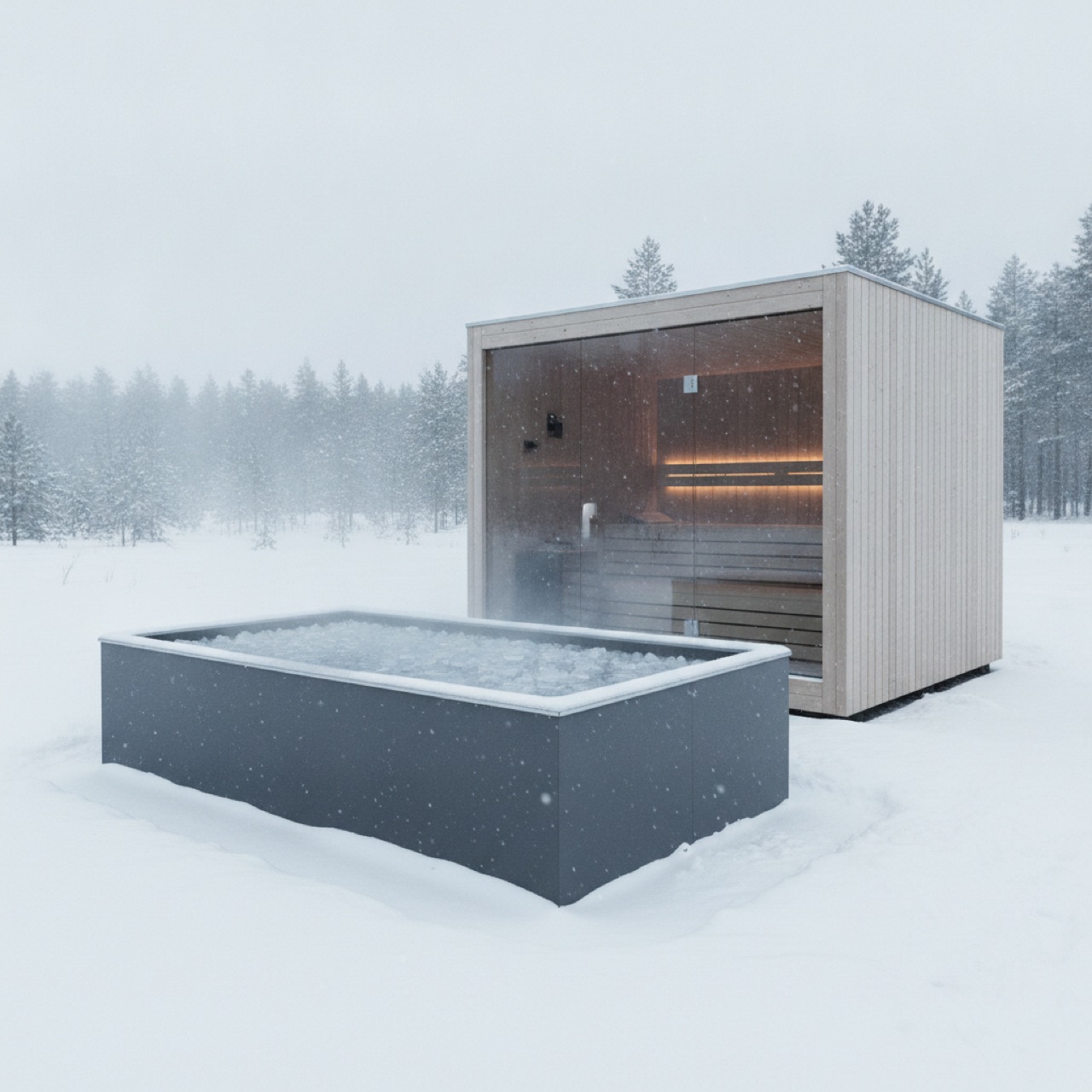
Contrast therapy alternates hot (sauna at 160-190°F) and cold (plunge at 50-59°F) in cycles. The traditional sequence is sauna first, cold plunge second, with 2-4 rounds per session. Benefits include norepinephrine release, cardiovascular adaptation, reduced inflammation, and improved heart rate variability. Two to three sessions per week is sufficient for most people. Equipment cost for a full home setup ranges from $2,500 (budget) to $10,000+ (premium).
What the data shows
The physiology of contrast therapy
Contrast therapy works through two complementary mechanisms: thermal stress and vascular cycling. When you enter the sauna, your core body temperature rises, your heart rate increases, your blood vessels dilate to dissipate heat, and heat shock proteins are upregulated. When you transition to cold water, the opposite cascade occurs: vessels constrict sharply, heart rate slows, and the sympathetic nervous system activates, triggering a surge in norepinephrine.
This rapid alternation between vasodilation and vasoconstriction functions as a cardiovascular workout. Research comparing contrast therapy to other forms of cardiovascular conditioning has found meaningful improvements in markers of vascular health, including arterial compliance and resting blood pressure, following 8-12 weeks of twice-weekly practice.
The hormonal effects are significant. Cold water immersion triggers a robust norepinephrine response - increases of 200-300% above baseline have been documented in multiple studies. This neuro-hormonal surge is thought to underlie the mood elevation and mental clarity that practitioners report immediately after sessions. Dopamine release, which follows the norepinephrine surge, contributes to the sustained positive affect that many cold plunge practitioners describe lasting 4-6 hours post-session.
The heat component adds complementary benefits: heat shock protein production supports cellular repair processes, growth hormone release increases, and the sauna environment supports relaxation of skeletal muscle - making it an effective combination for active recovery from training.
Guides in this cluster
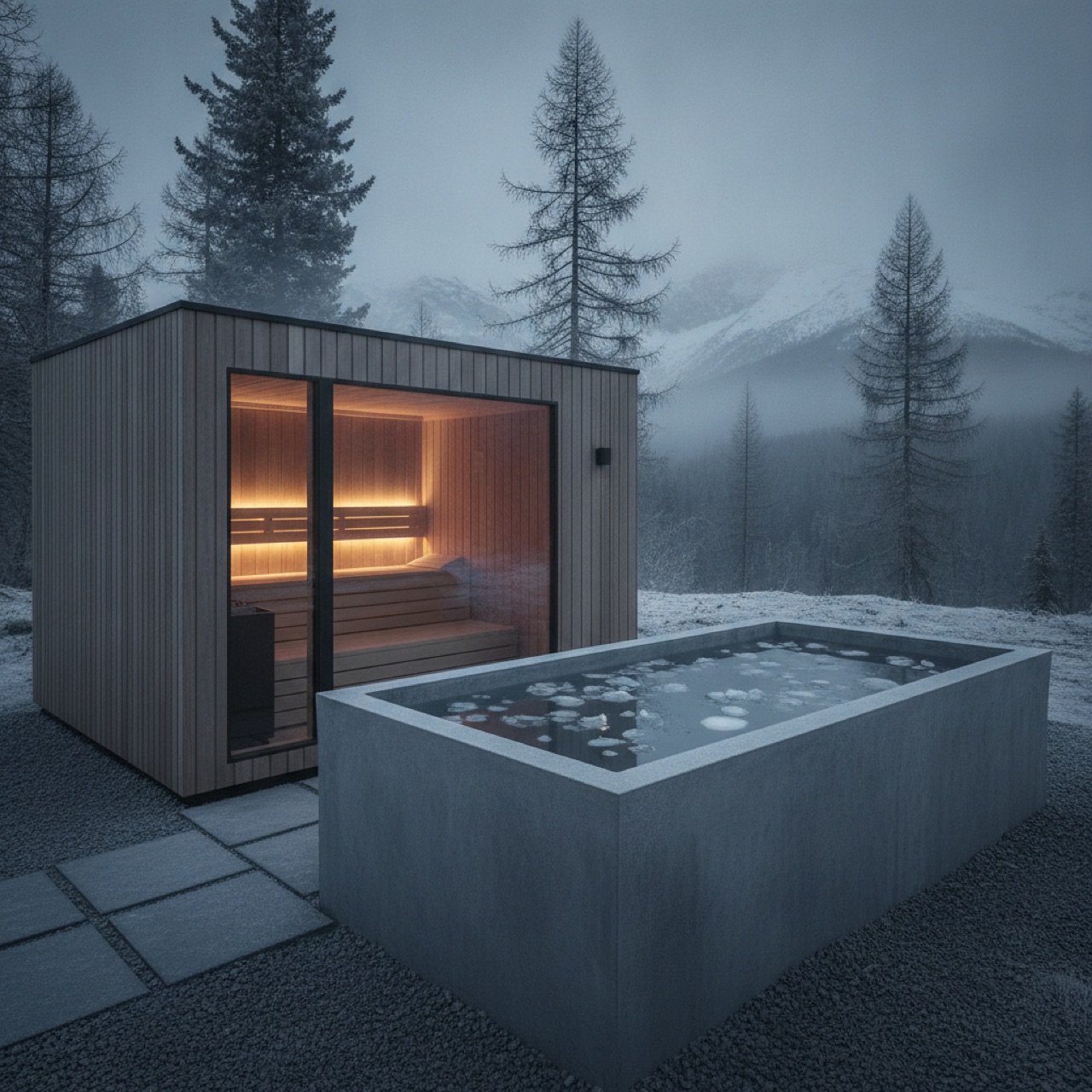
Sauna or cold plunge first?
The definitive answer to the sequencing question, with the physiology behind why order matters for your goals.
Read guide →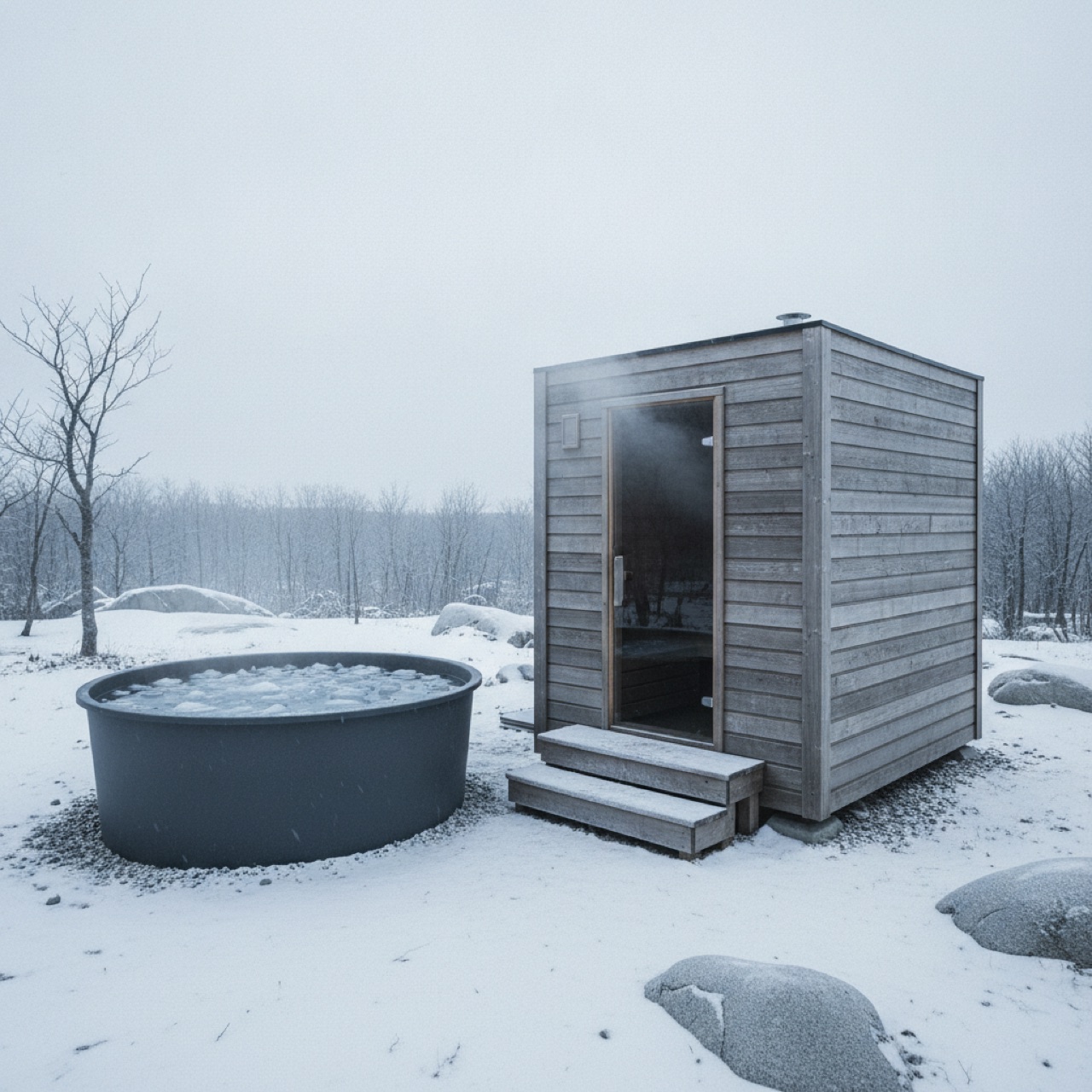
Sauna + cold plunge routine
Beginner, intermediate, and advanced routines with time requirements, weekly frequency, and progression guidelines.
Read guide →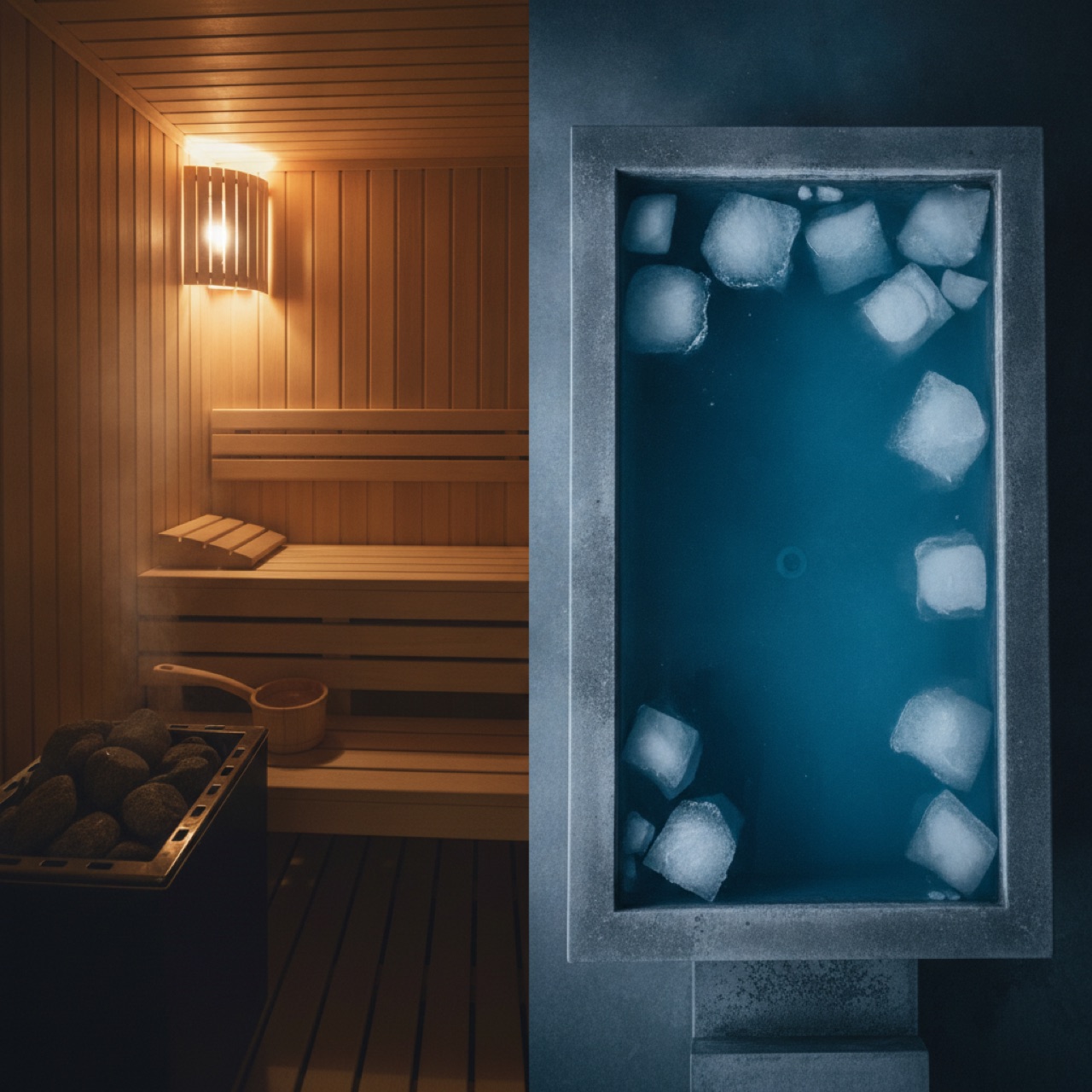
Cold plunge vs sauna
Benefit-by-benefit head-to-head: cardiovascular, recovery, mood, metabolism, and longevity, ranked by the strength of the evidence.
Read guide →
Contrast therapy explained
What contrast therapy actually is, the vascular pump claim and how well it holds up, and the hot-to-cold ratios used in the research.
Read guide →The standard contrast therapy routine
The "Nordic cycle" is the traditional structure for contrast therapy. The basic unit is: sauna, cold plunge, rest. Most protocols run 2-4 of these cycles in sequence. Here is what the complete session looks like:
For complete beginner, intermediate, and advanced protocols, see the full routine guide.
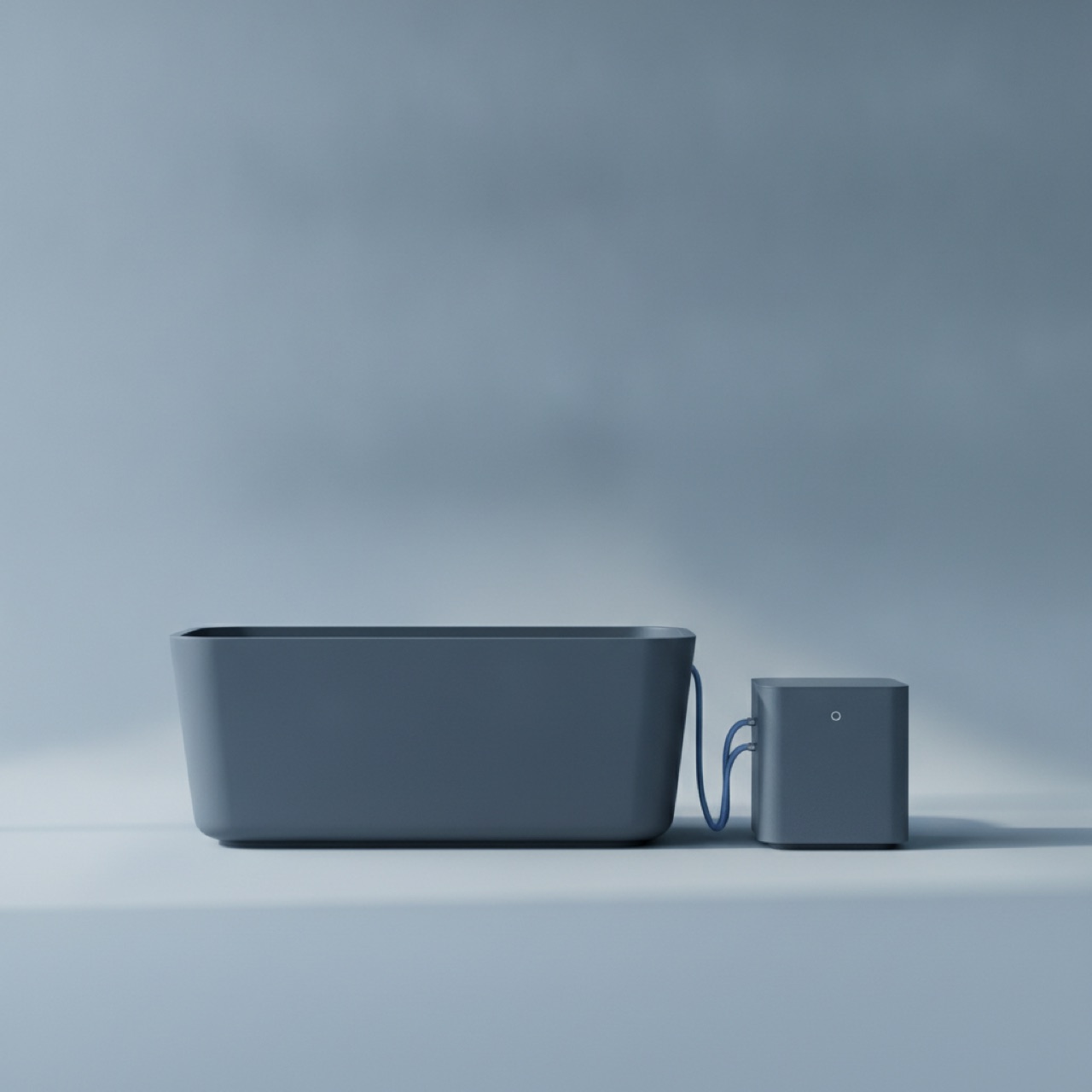
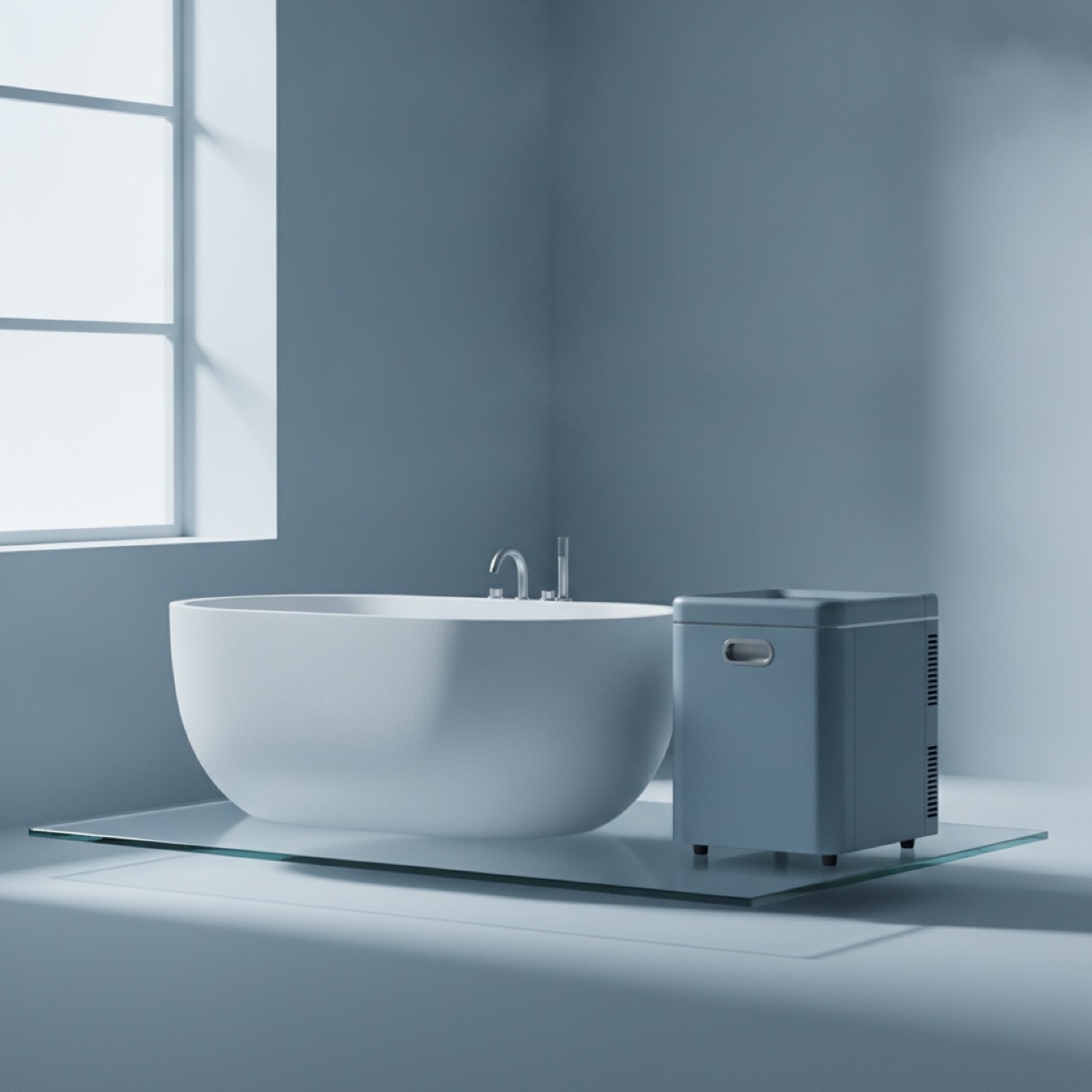
Best sauna + cold plunge combos
Complete systems - sauna and cold plunge together, at different budget tiers.
Who contrast therapy suits
Athletes and active recoverers
Post-training contrast therapy reduces delayed-onset muscle soreness and speeds subjective recovery. Best used on rest days or after lighter training sessions; cold after heavy resistance work can blunt muscle adaptation if used immediately post-session.
Cardiovascular health focus
Regular contrast therapy has demonstrable effects on vascular health markers including arterial compliance and HRV. Those with cardiovascular disease should get medical clearance before starting; for healthy individuals, the stimulus is analogous to moderate exercise in intensity.
Stress and sleep
The norepinephrine and dopamine response of contrast therapy has measurable mood effects. Morning contrast sessions may improve energy regulation throughout the day; afternoon sessions (not too late) may improve sleep architecture through supporting the body's natural temperature reduction during the sleep onset period.
Common questions
What is contrast therapy?+
How many rounds should I do?+
What temperature should the sauna be for contrast therapy?+
What temperature should the cold plunge be for contrast therapy?+
How long does it take to see benefits from sauna and cold plunge?+
Start with the beginner guide
Before combining sauna and cold plunge, it helps to establish a baseline cold plunge practice. Our beginner guide covers the first 8 weeks.