ColdPlungespot
Start here →
Affiliate disclosure - we earn from qualifying purchases
Head to head11 min readUpdated June 2026

Cold Plunge vs Sauna:
what the evidence actually says.
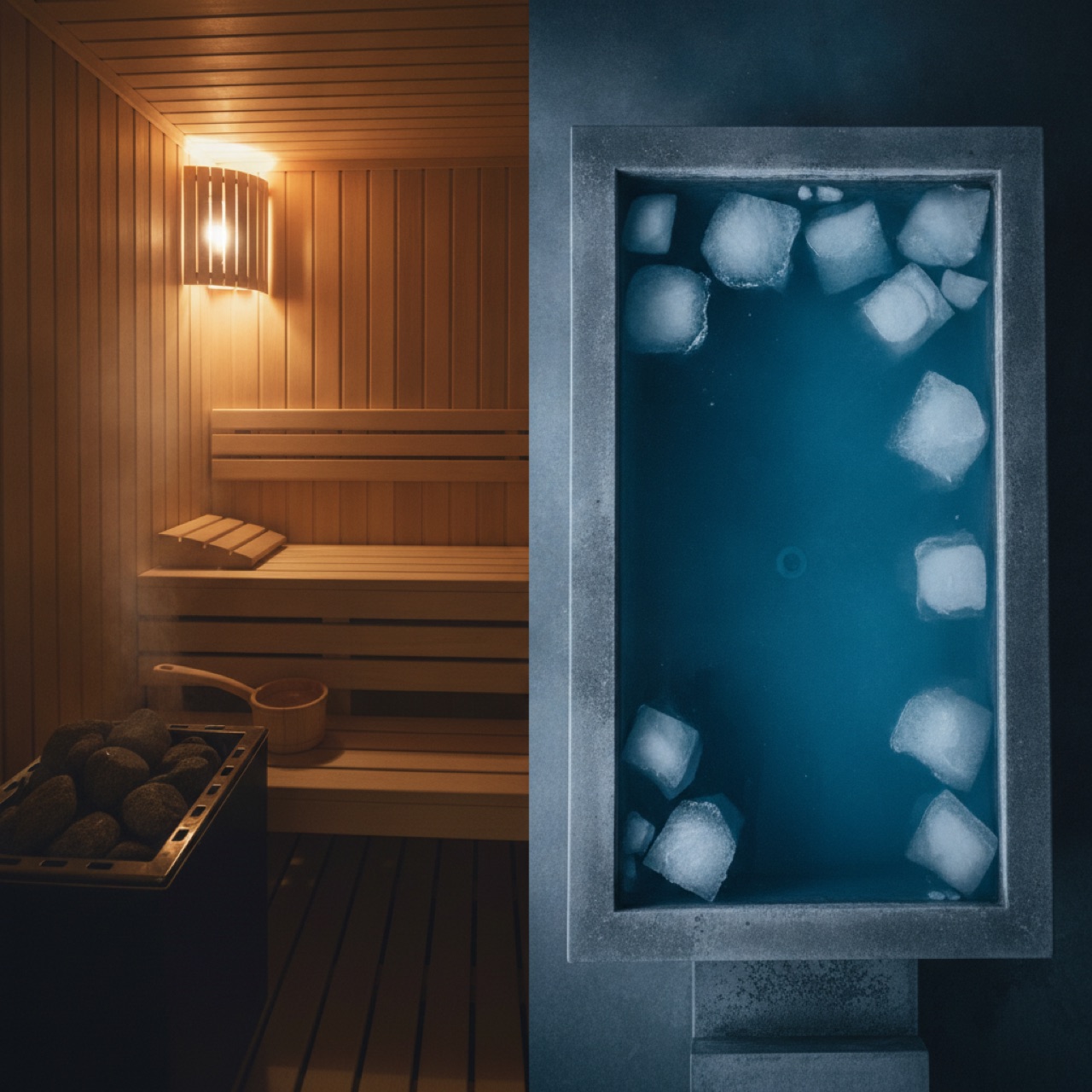
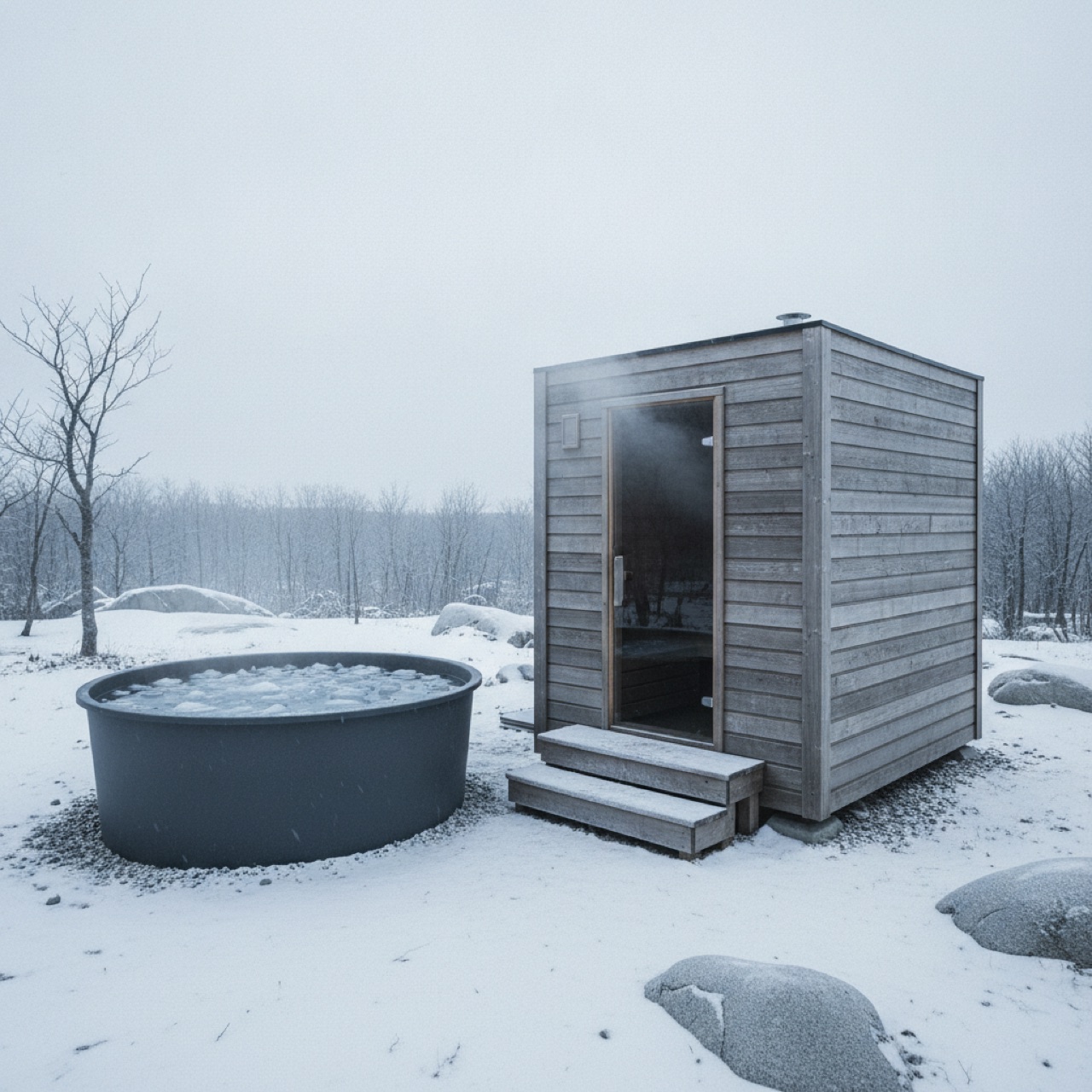
Split image of a warm wooden sauna beside an ice-filled cold plunge tub
Quick answer

They are not really rivals. Heat and cold drive opposite physiological responses, and each has its own strongest case. Sauna has the better long-term evidence, including large Finnish cohort data linking frequent use to lower mortality (Laukkanen et al.). Cold plunge wins on acute alertness, mood, and brown fat activation, but its research is smaller and shorter. If you are forced to choose for heart health and longevity, the evidence points to sauna. If you want both, you do not have to choose.

DR
Reviewed by
Dr. Renée Halvorsen, PhD
Exercise physiologist. 11 years researching cold-water immersion at NTNU. Author of The Cold Protocol (Penguin, 2024).
Verified Expert38 articles

The short answer

Cold plunge and sauna get framed as a contest, but they are closer to two different tools than two answers to the same question. A sauna raises your core temperature, dilates blood vessels, and pushes your heart rate up the way light cardio does. A cold plunge does the reverse: it constricts vessels, spikes norepinephrine, and triggers a sharp sympathetic response. Asking which is better is a bit like asking whether a treadmill or a stretching routine is better. It depends entirely on what you want out of it.

There is one honest distinction worth making upfront. Sauna has substantially stronger long-term evidence, built on large population cohorts followed for decades. Cold plunge has a real but thinner body of research, weighted toward small, short-term studies of acute effects. That gap does not mean cold plunge does not work. It means we have more confidence in sauna's long-term claims than in cold plunge's. We will return to that point honestly later in this article.

The practical takeaway: for most people the two are complementary, not competing. If you are choosing where to spend a limited budget or limited time, the rest of this guide breaks down which benefit goes to which, and how strong the evidence behind each claim really is.

Benefit-by-benefit comparison

Below is the head-to-head on the benefits people actually care about. For each one we note where the edge goes and, just as importantly, how solid the underlying research is. Notice that the edge swings back and forth: this is exactly why so many practitioners end up using both.

Cardiovascular health
Edge: Sauna
Sauna
Strong. Frequent sauna use is linked to lower blood pressure and reduced cardiovascular mortality in large Finnish cohorts (Laukkanen et al., KIHD study). Heat acts like a mild cardiovascular workout: heart rate rises to 100-150 bpm.
Cold plunge
Mixed. Cold raises blood pressure acutely during immersion and improves vascular tone over time, but there is no large mortality cohort. The acute pressor response is a caution for people with heart disease.
Recovery (soreness)
Edge: Cold plunge
Sauna
Helps via blood flow and relaxation. Does not blunt muscle growth, so it is the safer choice on a hypertrophy block.
Cold plunge
Direct evidence for reduced muscle soreness (2012 Cochrane review). But cold right after strength training may blunt hypertrophy (Roberts et al. 2015).
Mood and alertness
Edge: Cold plunge
Sauna
Relaxing, parasympathetic. Good for winding down and stress relief. Endorphin and dynorphin release is documented.
Cold plunge
Sharp, lasting alertness from a 2-3x norepinephrine and large dopamine rise (Soberg et al. 2021). Best-in-class for a clean stimulant-like lift.
Inflammation
Edge: Split
Sauna
Heat shock proteins and improved circulation support an anti-inflammatory profile over time.
Cold plunge
Acute anti-inflammatory effect through vasoconstriction and reduced tissue swelling. Strong for acute, less clear chronically.
Metabolism / brown fat
Edge: Cold plunge
Sauna
Minimal brown fat effect. Heat does not recruit thermogenic adipose tissue.
Cold plunge
Clear winner. Cold activates brown adipose tissue and raises metabolic rate during and after immersion (Soberg et al. 2021).
Longevity (cohort evidence)
Edge: Sauna
Sauna
The strongest single argument for sauna. 40% lower all-cause mortality in frequent users over 20+ years (Laukkanen et al. 2015, JAMA Intern Med).
Cold plunge
No comparable long-term cohort exists. Cold research is short and small. Honest answer: unproven for lifespan.
Sleep
Edge: Split
Sauna
Evening sauna can aid sleep onset via the post-heat core temperature drop that signals the body to wind down.
Cold plunge
Can improve sleep if done earlier in the day; a late cold plunge can be too activating for some people.

A few of these deserve a closer look. On cardiovascular health, sauna's case is unusually strong for a wellness practice. The Finnish KIHD cohort (Laukkanen et al., published across several papers in JAMA Internal Medicine and other journals) tracked thousands of middle-aged men and found a clear dose-response: more frequent sauna use, lower cardiovascular and all-cause mortality. Cold plunging cannot point to anything like that. Its acute effect is actually a transient rise in blood pressure during immersion, which is why people with heart disease are told to be cautious.

On metabolism and brown fat, the picture flips. Cold is the established stimulus for activating brown adipose tissue, the metabolically active fat that burns energy to generate heat. Soberg et al. (2021, Cell Reports Medicine) documented brown fat activation and a large norepinephrine rise from cold exposure. Heat does none of this. If your interest is metabolic, the deeper dive is our piece on cold plunge and weight loss.

On recovery, the nuance matters. Cold water immersion has direct evidence for reducing delayed onset muscle soreness (a 2012 Cochrane review). But cold immediately after strength training appears to blunt muscle growth signaling (Roberts et al. 2015, Journal of Physiology), so timing is everything. Our full breakdown lives in the guide on cold plunge and inflammation.

The full comparison table

Here is the whole thing condensed. The "edge goes to" column is our read of which practice has the better case for that specific benefit. The two evidence columns are deliberately separate, because a benefit can go to one practice while the overall research quality stays modest.

BenefitEdge goes toSauna evidenceCold plunge evidence
Cardiovascular healthSaunaStrong (sauna)Mixed (cold)
Recovery (soreness)Cold plungeModerateModerate
Mood and alertnessCold plungeModerateModerate
InflammationSplitLow-moderateLow-moderate
Metabolism / brown fatCold plungeLowModerate
Longevity (cohort evidence)SaunaStrong (sauna)Weak / none (cold)
SleepSplitLow-moderateLow-moderate

Note: "evidence" here reflects the strength and size of the published research, not just whether an effect exists. Sauna's longevity and cardiovascular rows are rated strong because they rest on large, long-running cohorts. Most cold plunge rows are rated moderate or lower because the studies are smaller and shorter.

The science strength gap

This is the part most comparisons skip, and it is the most important. Sauna and cold plunge are not on equal evidentiary footing, and pretending otherwise does readers a disservice.

Why sauna's evidence is stronger
+
Cohort size and length
The Finnish KIHD study followed roughly 2,300 men for over two decades. Cohorts of that scale and duration are how researchers establish links to hard outcomes like mortality. Cold plunge has nothing comparable.
+
Hard endpoints
Sauna research measures real-world endpoints: cardiovascular death, all-cause mortality, dementia incidence. Most cold plunge studies measure proxies: norepinephrine levels, subjective soreness, mood scores over days or weeks.
+
Replication
Sauna findings have been reproduced across multiple papers and populations. Cold plunge results are often single small trials that have not been widely replicated.

None of this means cold plunging is unproven or useless. The acute neurochemical and metabolic effects are real and reasonably well documented. But the popular claim that cold plunging is a longevity practice is, right now, an extrapolation. We do not have the long-term cohort data to back it the way we do for sauna. An evidence-led answer has to say that plainly. Colder is not always better, and bigger claims need bigger evidence.

Cost, space, and practicality

Evidence aside, the decision often comes down to money and square footage. Here the two practices behave very differently.

Entry cost
Cold plunge wins at the low end. An inflatable tub plus bags of ice can cost under $150. A basic infrared sauna cabin usually starts around $3,000 to $6,000, and traditional barrel saunas run higher.
High-end cost
The gap narrows. A premium cold plunge with a built-in chiller can reach $5,000 or more, putting it in the same bracket as a mid-range home sauna.
Running cost
Saunas draw significant power to heat each session. Cold plunge chillers run continuously to hold temperature but at a lower constant draw. Ice-only setups have no electricity cost but ongoing ice expense.
Space
A cold plunge tub has a small footprint and many models live outdoors or in a garage. A sauna needs a dedicated cabin and clearance, which is a bigger commitment indoors.
Maintenance
Cold plunges need water care: filtration, sanitation, and periodic draining. See our guide on keeping cold plunge water clean. Saunas need far less ongoing upkeep, mostly wiping down benches.

If you are leaning toward cold and want the cheapest viable start, our roundup of the best inflatable cold plunge tubs is the place to begin, and the water care guide covers the upkeep most beginners underestimate.
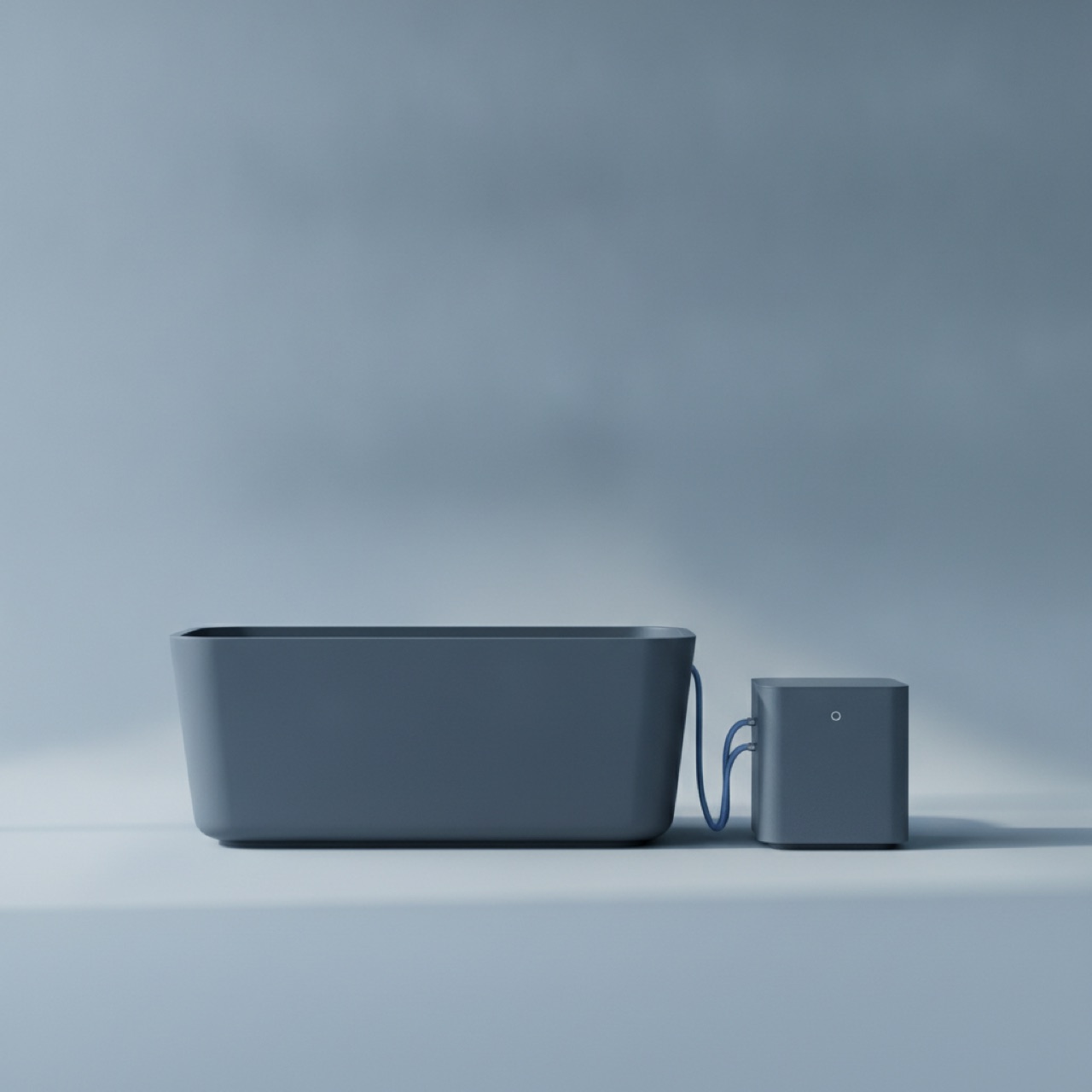
Plunge All-In
★ Best all-in cold plunge with chillerScore 9.4/10
Plunge All-In
from Plunge
$4,990
Check price →

Doing both: contrast therapy

Here is the honest conclusion most of this article has been pointing at: you do not have to choose. Alternating heat and cold, known as contrast therapy, lets you collect the strengths of each. The sauna delivers the relaxation and cardiovascular load with the strong long-term evidence; the cold plunge delivers the sharp alertness and metabolic kick. Used together, they cover ground neither covers alone.

The two questions people ask next are what order to use and how to structure a session. Order changes how you feel afterward: finishing on cold leaves you alert and wired for the day, while finishing on heat leaves you relaxed and ready for sleep. We cover that decision in full in our guide on whether to do sauna or cold plunge first. For a complete structured session including timing, rounds, and rest, follow our contrast therapy routine.

Who should pick which, if forced to choose

If budget, space, or time really do force a single choice, here is how to think about it based on your primary goal.

Pick sauna if
  • +Your top priority is long-term cardiovascular health and longevity
  • +You want the strongest evidence behind your investment
  • +You are training for muscle growth and want recovery without blunting gains
  • +You prefer a relaxing, wind-down practice over a jolt
Pick cold plunge if
  • +You want a sharp boost in alertness, mood, and focus
  • +Acute muscle soreness relief is your main goal
  • +You are interested in brown fat and metabolic activation
  • +Budget or space is tight and you want the cheapest viable start

New to cold entirely? Start with the fundamentals in our cold plunge beginner guide before spending on equipment. And if your interest in cold is mostly about better rest, our piece on cold plunge and sleep covers the timing that makes or breaks the effect.
Frequently asked questions

Is a cold plunge or sauna better?+
Neither is universally better, because they work through opposite mechanisms. Sauna has the stronger long-term evidence: large Finnish cohort studies (Laukkanen et al., the KIHD study) link frequent sauna use to lower cardiovascular and all-cause mortality. Cold plunge has smaller, shorter studies showing benefits for mood, alertness, recovery, and brown fat activation. If your goal is cardiovascular health and longevity, the better-supported choice is sauna. If your goal is acute alertness, mood, or metabolic activation, cold plunge has the edge. Many people use both.
Does sauna or cold plunge have better evidence for longevity?+
Sauna does, clearly. The Finnish KIHD cohort followed roughly 2,300 middle-aged men for over 20 years and found that men using a sauna 4 to 7 times per week had a 40 percent lower all-cause mortality risk compared to once-weekly users (Laukkanen et al. 2015, JAMA Internal Medicine). No cold plunge study of comparable size or duration exists. Cold plunge research is mostly small, short-term, and focused on acute or near-term outcomes, not lifespan.
Should I do cold plunge and sauna together?+
You can, and many people do. Alternating heat and cold is called contrast therapy. A common approach is sauna first to raise core temperature and relax, then a cold plunge to finish. The order matters for how you feel afterward: ending cold leaves you alert, ending warm leaves you relaxed. The two are complementary rather than competing, since heat and cold drive different adaptations.
Is cold plunge better than sauna for recovery?+
For acute muscle soreness, cold water immersion has more direct evidence (a 2012 Cochrane review found reduced delayed onset muscle soreness versus passive recovery). But cold immediately after strength training may blunt some muscle growth adaptations (Roberts et al. 2015, Journal of Physiology). Sauna aids recovery through increased blood flow and relaxation and does not appear to interfere with hypertrophy. For pure soreness relief, cold has the edge; for recovery on a hard training block aimed at muscle gain, heat is the safer choice.
Which is cheaper, a sauna or a cold plunge?+
Entry cost favors cold plunge. You can start cold plunging with an inflatable tub and ice for under $150, while even a small home sauna typically starts around $3,000 to $6,000 for an infrared cabin and far more for a traditional barrel sauna. However, a high-end cold plunge with a chiller closes that gap, often landing at $5,000 or more. Running costs differ too: saunas use significant electricity to heat, while cold plunge chillers run continuously but at lower draw.
Can I get the same benefits from just one?+
Partly. There is meaningful overlap (both improve mood, both involve cardiovascular stress and recovery, both can support sleep when timed well), but the strongest evidence for each is mechanism-specific. Sauna's cardiovascular and longevity evidence does not transfer to cold, and cold's brown fat and acute alertness effects do not transfer to heat. If you can only pick one and your priority is long-term heart health, the evidence points to sauna.

Continue reading

All guides →