How Much Does a Cold Plunge Cost?
$100 to $20,000, and what you actually pay.
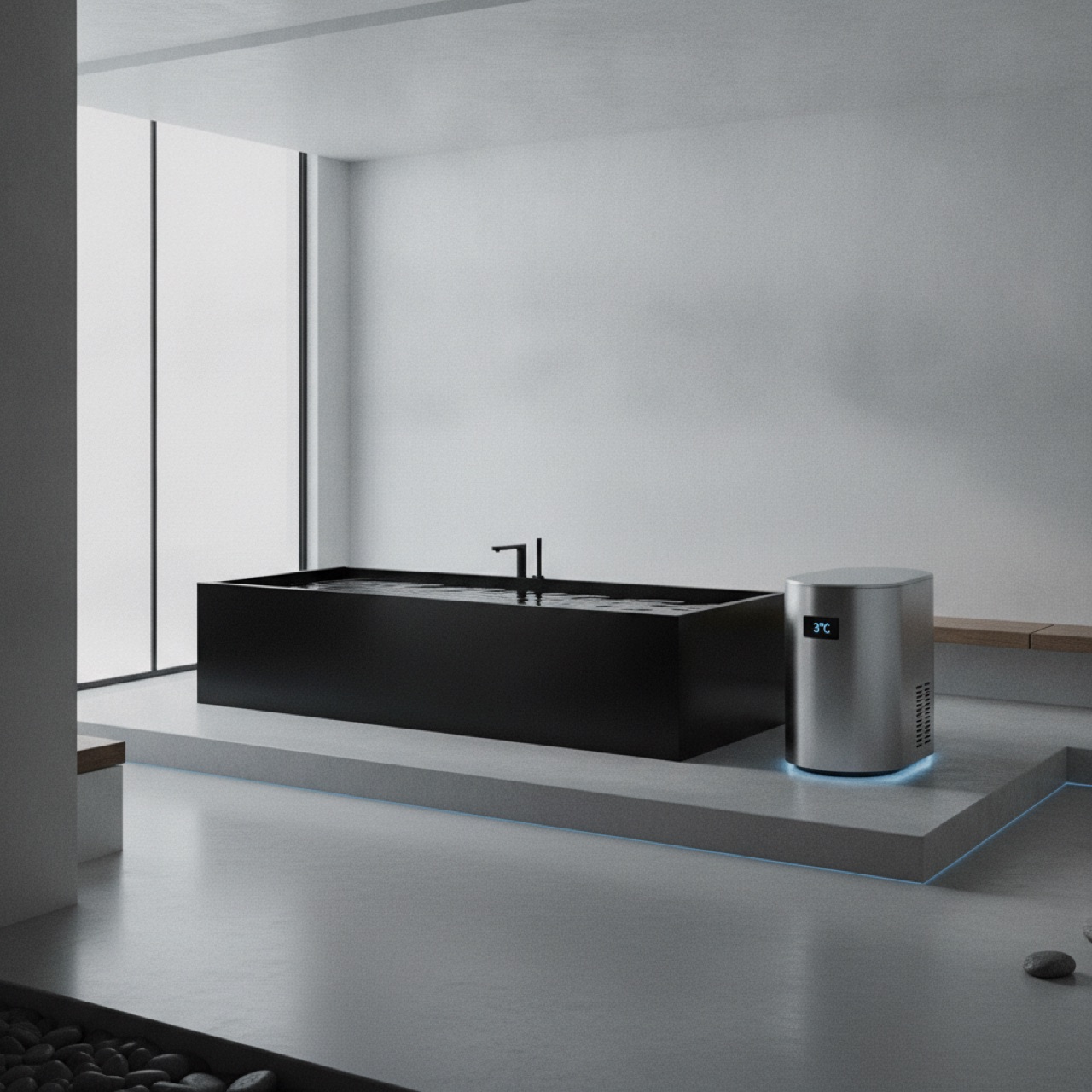
A cold plunge costs anywhere from about $100 for a DIY stock-tank and ice setup, to $2,000-$6,000 for a chiller-equipped system, up to $6,000-$20,000+ for premium and commercial units. Inflatable tubs run $150-$600 and barrels $400-$1,500. The chiller is the single biggest cost driver. Plan for $10-$40 a month in electricity plus water care once you own one.
How much does a cold plunge cost?
There is no single price for a cold plunge because the category spans two very different products. At one end is a galvanized stock tank you fill with a hose and a few bags of ice, which can cost under $200 all in. At the other end is a powered, self-cooling system that holds 39°F (4°C) on command and runs into five figures. Both are accurately called a cold plunge.
The honest full range is roughly $100 to $20,000 or more. Most home buyers land in one of three places: under $600 for an ice-based DIY or inflatable setup, around $2,000-$6,000 for a chiller-equipped tub that needs no ice, or $6,000 and up for a premium hardshell unit. The jump in price almost always tracks one component, which is the chiller, and the rest of this guide breaks the numbers down tier by tier and adds the running costs most listings leave out.
Cost by type: the price tiers
Here is the full cost ladder from cheapest to most expensive. The table gives the quick view; the cards below it add what each tier includes and where the catch is.
| Type | Price range | Chiller | Best for | Main trade-off |
|---|---|---|---|---|
| DIY stock-tank / tub | $100 - $400 | No (ice) | Lowest cost, cold climates | Ongoing ice in warm weather |
| Inflatable cold plunge | $150 - $600 | No (ice) | Apartments, portability | Still needs ice without a chiller |
| Insulated barrel | $400 - $1,500 | No (ice) | Durability, small footprint | Upright soak, not full submersion |
| Chiller-equipped system | $2,000 - $6,000 | Yes | Daily home use, any climate | Adds electricity and water care |
| Premium / commercial | $6,000 - $20,000+ | Yes | Spas, permanent installs | Diminishing benefit per dollar |
- +Galvanized stock tank or rigid tub
- +Cold tap water plus bagged ice
- +Optional foam insulation board
- +No electricity needed
- +Insulated drop-stitch walls
- +Fitted lid included on most
- +Drains and packs away
- +Portable and apartment-friendly
- +Upright soaking position
- +Durable rotomolded or wood shell
- +Strong insulation, holds temp for days
- +Compact footprint
- +Holds a set temperature automatically
- +Filtration and sanitation built in
- +No ice runs ever
- +Year-round use in any climate
- +Hardshell acrylic or stainless build
- +Powerful chiller for fast recovery
- +Ozone or UV sanitation, app control
- +Built for daily and multi-user load
If you are weighing a barrel against a tub, our inflatable cold plunge guide and the Ice Barrel review cover the two most popular sub-$1,500 picks in detail.
Cost by setup compared
The tiers above group products by category, but most people are really choosing between specific routes to cold water. The table below lines up the five setups people actually build or buy, from a bare ice bath to a premium all-in-one, with the upfront price, whether a chiller is involved, and the monthly electricity you take on. It puts the two DIY builds next to the store-bought options so the real trade-off is visible: money spent up front versus effort and running cost later.
| Setup | Upfront cost | Chiller | Electricity / mo | What you trade |
|---|---|---|---|---|
| Ice bath (tub you own + bagged ice) | $0 - $40 | No | None | Cheapest possible test, ice adds up fast |
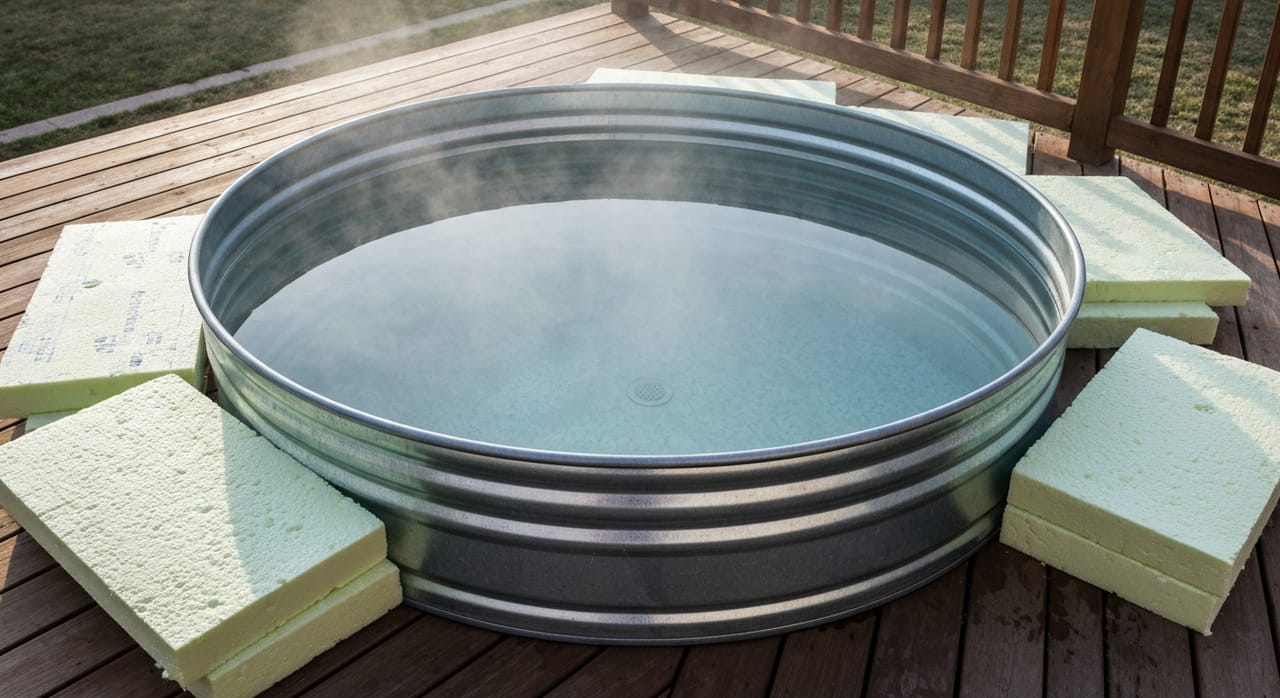
| DIY stock tank + ice | $150 - $300 | No | None | 2-hour build, no sealing or wiring |
| DIY stock tank + small chiller | $400 - $700 | Yes (added) | $15 - $30 | Cheapest self-cooling from a tank |
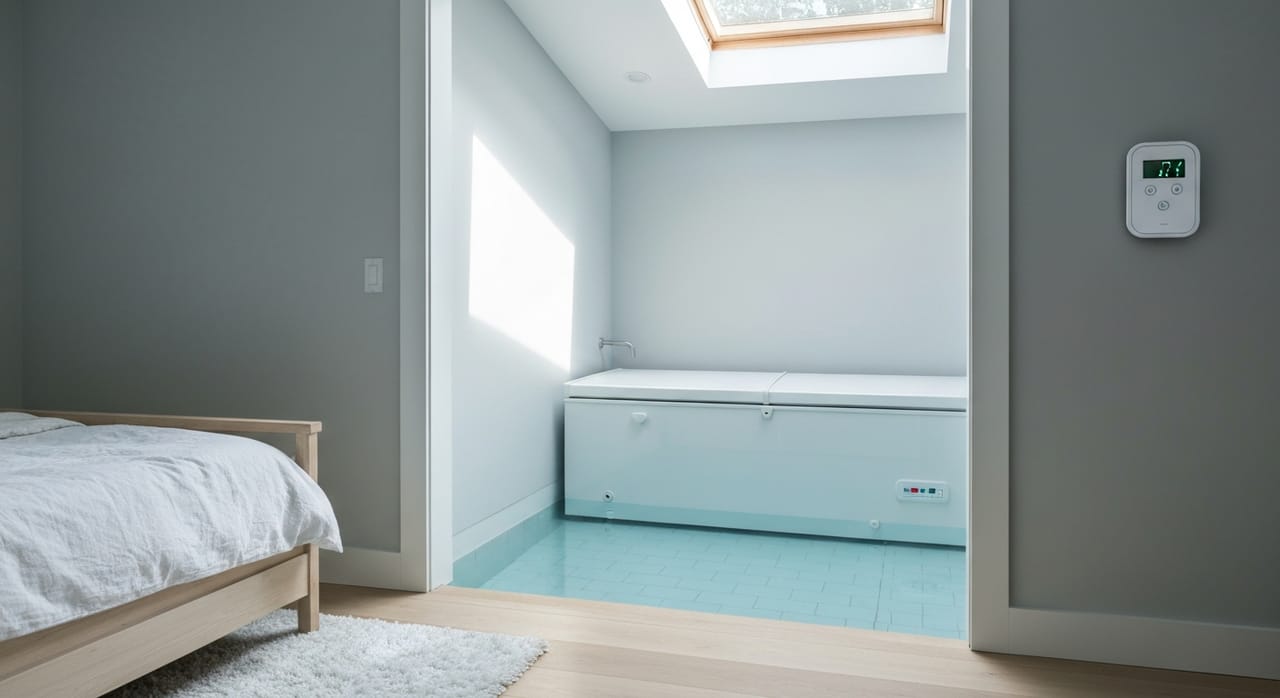
| DIY chest freezer (used freezer) | $400 - $800 | Yes (built in) | $15 - $30 | Cheapest set-and-forget cold overall |
| DIY chest freezer (all new parts) | $1,000 - $1,200 | Yes (built in) | $15 - $30 | Same result, no bargain hunting |
| Mid-range chiller + insulated tub | $2,000 - $4,000 | Yes (bundled) | $20 - $40 | Turnkey, warrantied, filtration built in |
| Premium all-in-one hardshell | $6,000 - $20,000+ | Yes (high output) | $30 - $80 | Fastest cooling, longest lifespan, app control |
The pattern is clear once it is laid out. The two DIY builds, a stock tank cold plunge with an added chiller and a chest freezer cold plunge, get you set-and-forget cold for a few hundred dollars, but you supply the labor and the warranty is on you. A mid-range chiller-and-tub bundle or a premium hardshell costs several times more and buys you a warranty, filtration, and no build weekend. Electricity is roughly the same either way once a chiller is in the loop.
Why the chiller is the big cost driver
Look at the price ladder and one jump stands out: a good barrel or inflatable tub costs a few hundred dollars, but the moment a unit can cool itself, the price multiplies. That component is the chiller, a refrigeration unit that pulls heat out of the water and holds a set temperature without ice. A standalone chiller typically costs $1,500 to $4,000, which means it can easily exceed the price of the tub it serves.
Cheaper aquarium-style chillers in the $500-$900 range exist, but they are undersized for a large or warm-climate plunge and will struggle to reach the low 40s Fahrenheit. A chiller rated for cold plunging needs enough cooling capacity to fight both the ambient air and your body heat, plus a circulation pump and usually a built-in filter. That engineering is what you pay for. Before committing, our chillers hub and the best cold plunge chiller guide compare units by capacity and price so you do not overpay for cooling power you will not use.
Ongoing running costs
The purchase price is only part of the picture. A cold plunge is something you live with, and the monthly costs differ sharply depending on whether you run a chiller or rely on ice.
Keeping the water clean is the running cost people most often underestimate. Our water care guide walks through the cheapest reliable way to sanitize a plunge so you are not draining and refilling every week.
What it costs to run a cold plunge
The electricity question deserves its own math because it is the number most listings never publish. A cold plunge chiller is a small refrigerator. What it costs to run depends on three things: how many watts it draws, how many hours the compressor actually runs, and your local electricity rate. Most home chillers draw between about 300 and 1,500 watts, and the compressor cycles on and off to hold temperature rather than running flat out, so real daily use lands around 1.5 to 6 kWh.
Rates matter more than people expect. The US residential average sat near 18.8 cents per kWh in spring 2026 according to the EIA, up about 25 percent in four years, but the spread by state is huge, from about 12 cents in North Dakota to over 46 cents in Hawaii. The same chiller that costs $15 a month in Texas can cost $35 in the Northeast. Here is the arithmetic on a mid-size unit at the national average.
A DIY chest freezer cold plunge lands at the low end of these numbers, roughly $15 to $30 a month, because a chest freezer is already built to hold cold efficiently. If you are shopping for the chiller itself, our best cold plunge chiller guide notes the rated wattage of each unit so you can estimate its running cost before you buy.
Gym or spa vs buying: break-even math
Before buying, it is worth checking whether paying per session makes more sense. Cold plunge access at a spa, recovery studio, or wellness club commonly costs $20 to $40 per visit, and some gyms include a plunge in a $50-$150 monthly membership.
The math is simple. At three drop-in sessions a week at $30 each, you spend about $90 a week, or roughly $360 a month. A $4,000 chiller-equipped tub pays for itself in about eleven months at that rate, and after that you only pay electricity and water care, on the order of $30 a month. If you plunge daily, the break-even comes even faster. If you would realistically only plunge once or twice a month, a membership or drop-in is the cheaper and lower-commitment choice, and it spares you the maintenance.
Hidden costs people forget
Are cold plunges worth it?
Worth it is partly a health question and partly a money question, and it is honest to keep the two separate. On the health side, the evidence for cold water immersion is real but modest and mostly drawn from small studies. Soberg et al. (2021, Cell Reports Medicine) documented norepinephrine and brown fat responses; a 2012 Cochrane review found cold water immersion reduced muscle soreness versus passive recovery. These are genuine effects, not miracle cures, and much of the popular claim set runs ahead of the data.
On the money side, the value is mostly about how often you use it. A $4,000 tub used five times a week costs pennies per plunge over five years. The same tub used twice and then ignored is an expensive towel rack. Because adherence is the deciding factor, the smartest financial move for most people is to start cheap. Prove to yourself that you will actually plunge two or three times a week for a couple of months, then upgrade to a chiller setup if you want the convenience. A $200 DIY tub is a low-risk way to find out whether the habit sticks.
The cheapest way to start
You do not need to spend thousands to begin. A free cold shower delivers a real cold-shock response and is the sensible first test. Beyond that, the cheapest dedicated setup is a stock tank or sturdy tub with cold tap water and ice, which costs $100 to $300. In a cold climate, winter tap water alone may already sit in the 40s Fahrenheit, so half the year is free.
The next step up is an insulated inflatable tub at $150 to $600, which holds cold longer and so uses less ice per session. Neither needs a chiller to start. Our inflatable cold plunge guide covers the best budget options, and once you have decided the habit is sticking, the cold plunge recovery guide helps you build a routine worth investing in. To run the temperature numbers, see our cold plunge temperature guide.
The cheapest ways to cold plunge
If keeping the cost down is the goal, the DIY route wins outright. Two builds cover almost everyone: a stock tank for the lowest entry price, and a chest freezer conversion for the cheapest self-cooling setup that never needs ice. Here are the real parts and prices for each, based on current 2026 build guides.
The chest freezer build is the value sweet spot: near the price of a barrel, but with built-in cooling that an ice-only setup can never match. Full parts lists and step-by-step instructions live in our chest freezer cold plunge guide and stock tank cold plunge guide. If you would rather skip the build, a budget inflatable tub is the cheapest store-bought option.
Can you use HSA or FSA money?
A cold plunge can be paid for with pre-tax HSA or FSA dollars, which effectively knocks your tax rate off the price, often 20 to 40 percent. It is not automatic, though. A cold plunge is treated as a dual-purpose item, useful for both general wellness and a medical condition, so it does not qualify on its own. You need a Letter of Medical Necessity (LMN) from a licensed provider connecting the plunge to a diagnosed condition such as chronic pain or an inflammatory issue.
The process is easier than it sounds. Many retailers partner with a service like Truemed: you complete a short health survey, and if you qualify a provider signs an LMN, often within 24 to 48 hours. You then submit the LMN with your receipt to your HSA or FSA administrator for reimbursement. On a $4,000 tub, a 25 percent tax saving is $1,000, which can move a chiller-equipped system into the price range of a DIY build. Our cold plunge HSA and FSA eligibility guide walks through the paperwork and which sellers support it. This is general information, not tax advice, so confirm the details with your plan administrator.
Five-year total cost of ownership
Sticker price hides the real comparison. Below is an estimate of five-year total cost for each common path, combining upfront price with running costs at three sessions a week. Figures are rounded estimates and depend heavily on your climate, electricity rate, and ice habit, but the ranking holds.
| Option | Upfront | Running cost | 5-year total | Notes |
|---|---|---|---|---|
| DIY tub + ice (warm climate) | $250 | $70/mo ice + care | $4,450 | Ice dominates if used year-round |
| DIY tub + ice (cold climate) | $250 | $15/mo care | $1,150 | Free cold half the year |
| Inflatable + small chiller | $1,100 | $25/mo power + care | $2,600 | Best low-cost set-and-forget |
| Chiller-equipped all-in-one | $4,000 | $30/mo power + care | $5,800 | Most common committed setup |
| Premium hardshell | $9,000 | $40/mo power + care | $11,400 | Convenience and longevity |
| Spa membership (3x / week) | $0 | $330/mo sessions | $19,800 | No upfront, highest 5-yr total |
Note: spa membership has no upfront cost but the highest five-year total because you pay per session forever. A chiller-equipped tub costs more on day one but becomes the cheaper option for regular users somewhere in year one to two. For occasional use, the ranking flips.
Want to see what a flagship chiller-equipped unit actually delivers for the money? Read our Plunge All-In review.