ColdPlungespot
Start here →
HomeWater Care
Reader-supported - affiliate links below

Cold Plunge Water Care: Filters, Sanitizers, and Maintenance

Cold water is a low-oxygen, low-temperature environment that responds differently to filtration and sanitation than a hot tub or pool. This hub collects everything you need to keep your cold plunge water clean, safe, and clear - from choosing the right filter to understanding what happens to chlorine below 15°C.

Quick Answer

A cold plunge needs three things to stay clean: physical filtration (cartridge or sand filter) to remove particles, a sanitizer (ozone, UV, or low-dose chlorine) to kill pathogens, and a circulation pump to move water through both. Without all three, water quality degrades within days. With a properly sized system, you can maintain safe water for 4-8 weeks between full changes.

DR
Reviewed by
Dr. Renée Halvorsen, PhD
Exercise physiologist. 11 years researching cold-water immersion at NTNU. Author of The Cold Protocol (Penguin, 2024).
Verified Expert38 articles
In this guide

Water care guides

EquipmentRoundup
FILTER
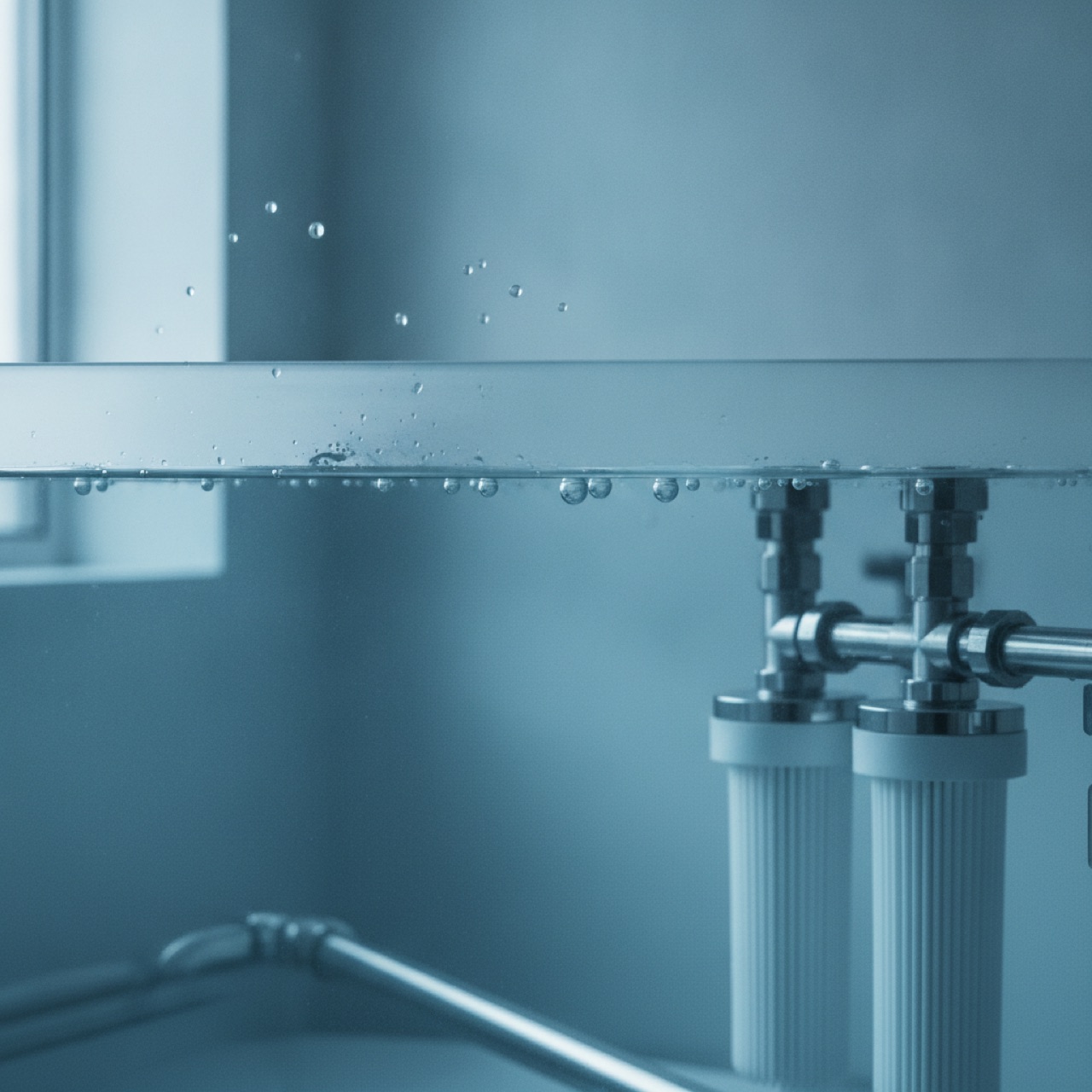
Cold Plunge Filters: Cartridge, Sand, and Media Compared

Which filter type removes the most particulate from cold water - and which holds up over a full season of daily use.
9 min readRead →
SanitationRoundup
OZONE
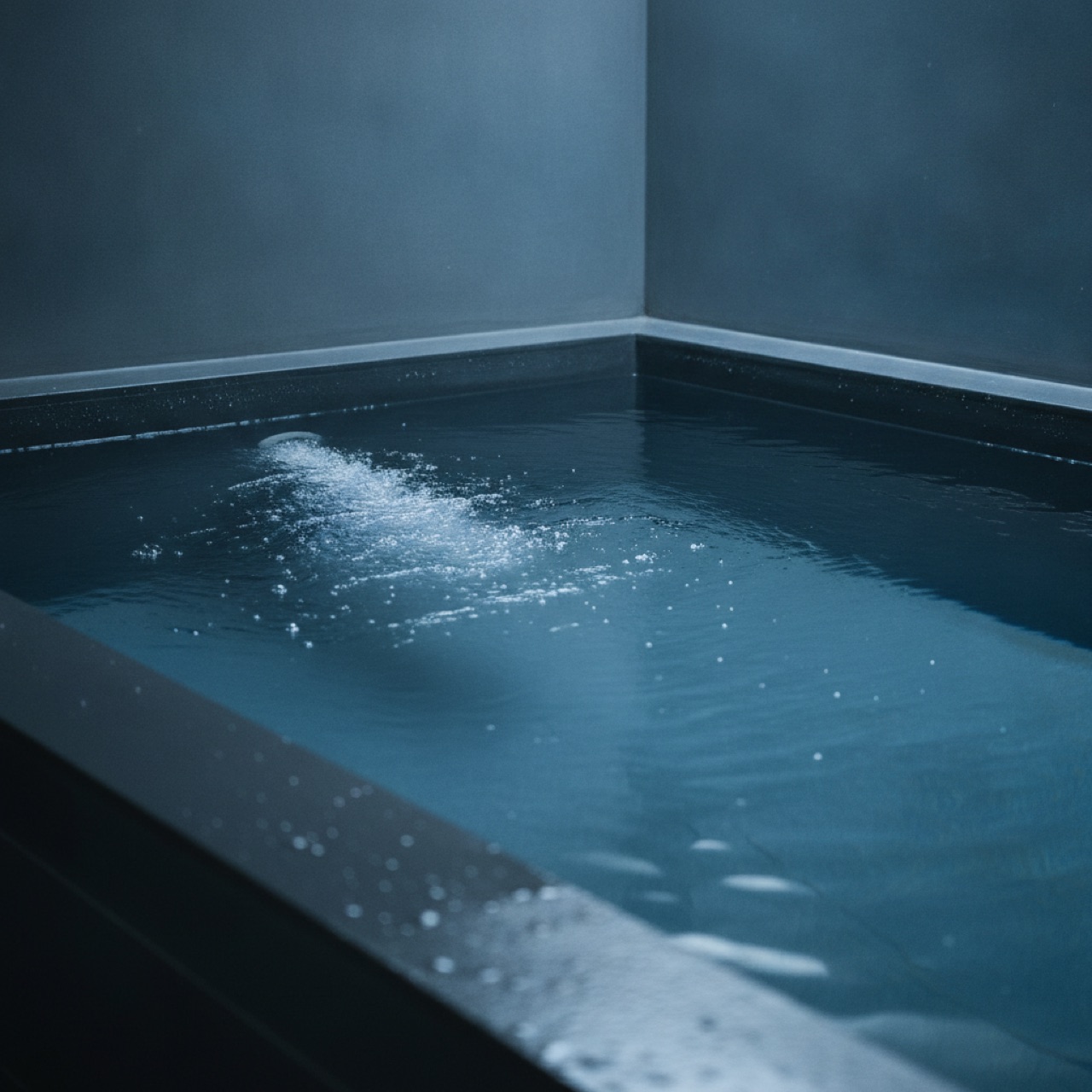
Ozone Generators for Cold Plunges: Best Units and Setup Guide

Ozone is the most effective chemical-free sanitizer for cold plunge water. Here is how it works, what concentration is safe, and the best units to buy.
10 min readRead →
MaintenanceGuide
CLEAN
How to Keep Cold Plunge Water Clean

A complete maintenance protocol - how often to change water, what sanitizers to use, pH targets, and the signs that tell you water has gone bad.
8 min readRead →
ChemistryGuide
CHEM
Cold Plunge Chemicals: What Works, What to Avoid

Cold water slows chemical reactions. Chlorine, bromine, and biguanide all behave differently below 15°C. Here is what the data says about each.
7 min readRead →
SanitationGuide
H2O2
Hydrogen Peroxide for Cold Plunges: Dosing, Safety, and Alternatives

Food-grade hydrogen peroxide is a legitimate cold plunge sanitizer at the right concentration. This guide covers the science, dosing math, and risks.
7 min readRead →
EquipmentRoundup
PUMP
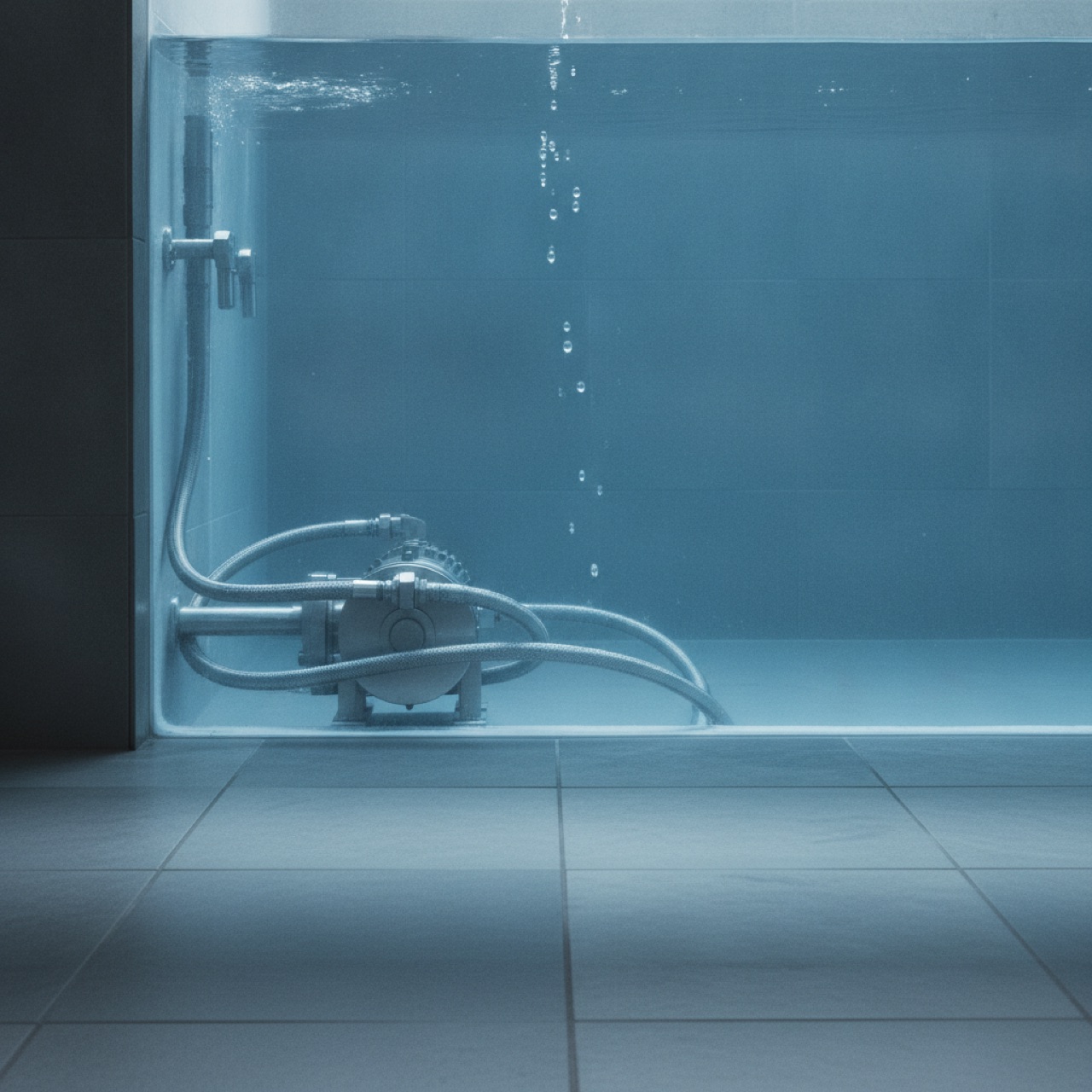
Cold Plunge Pumps: Submersible vs Inline for Circulation and Filtration

A pump keeps your water circulating through the filter and sanitizer system. How much flow rate you actually need - and the best options at each price point.
8 min readRead →
SanitationRoundup
UV
UV Lights for Cold Plunges: How They Work and Which to Buy

UV sterilizers kill bacteria and algae without adding any chemistry to the water. What UV dosage is effective, and the best units for home cold plunges.

8 min readRead →

Sanitation methods compared

MethodEffectivenessChemical residualStartup costMaintenance
Ozone (O3)RecommendedVery highNone residual$80-$400Low
UV sterilizerHighNone$50-$200Low
Hydrogen peroxideModerateMinimal$10-$30/moMedium
Chlorine (low-dose)HighYes - residual$5-$20/moMedium
BromineHighYes - residual$10-$30/moMedium
No treatmentNoneNone$0High (frequent change)

Why cold water is different

Most water care advice is written for pools and hot tubs. Cold plunges operate in a range (5-15°C) where the rules change significantly.

Chemical reactions slow in cold water - chlorine that kills bacteria in 30 seconds at 25°C may need 2-3 minutes at 10°C. This means dosing calculations for pools do not translate directly to cold plunges.

The good news: cold water also inhibits microbial growth. A warm tub at 38°C is a near-perfect incubator for Legionella and Pseudomonas. A plunge at 8°C suppresses most pathogens naturally - meaning you need less chemical intervention than you would in a hot tub, not more.

The risk is not bacteria from the cold water itself, but contamination from users: sweat, skin cells, hair products, and body oils that accumulate over time. Physical filtration addresses this directly, while sanitation handles residual microorganisms.

The three-system approach

01
Circulation

A pump moving 200-400 GPH keeps water from stagnating. Stagnant water forms biofilm layers and accelerates bacterial growth. Continuous circulation is the foundation of every other system.

02
Filtration

A cartridge or sand filter removes suspended particles - dead skin cells, hair, debris. Particles consume sanitizer and cloud the water. Replace cartridge filters every 2-4 weeks under normal use.

03
Sanitation

Ozone, UV, hydrogen peroxide, or low-dose chlorine kill pathogenic microorganisms. Ozone and UV are chemical-free; chlorine and bromine leave a residual but require precise dosing in cold water.
Maintenance schedule at a glance

Before each use
  • Rinse off before entering
  • Check water clarity
  • Do not wear cosmetics or lotions
Weekly
  • Test pH (target 7.2-7.6)
  • Check filter flow rate
  • Visually inspect walls for biofilm
  • Check TDS if meter available
Every 2-4 weeks
  • Replace cartridge filter
  • Wipe down waterline and walls
  • Check and clean pump intake
  • Top up water lost to splashing
Every 4-8 weeks
  • Full water change (with system)
  • Deep-clean the tub
  • Inspect all fittings and seals
  • Replace ozone injector if needed

Frequently asked

How often should I change cold plunge water?+
Without a filtration and sanitation system, water should be changed every 1-3 days depending on usage frequency and how sweaty you are before entering. With an ozone or UV system plus a cartridge filter running continuously, many users extend this to 2-4 weeks. With a full ozone + UV + circulation setup, 4-8 weeks is achievable. Always test pH, clarity, and smell before deciding to extend rather than assuming the system is working perfectly.
Do I need chemicals if I have an ozone generator?+
Usually not, but it depends on your usage frequency. Ozone itself has no residual - it kills pathogens on contact and then dissipates. If you plunge daily or have multiple users, adding a small amount of hydrogen peroxide (35-50 ppm) provides a residual buffer that ozone alone does not. For solo, 2-3 times per week use with a properly sized ozone unit, ozone alone is typically sufficient.
What pH should cold plunge water be?+
Target 7.2 to 7.6, the same range as a swimming pool. Below 7.2, water becomes corrosive to metal fittings, pumps, and heaters. Above 7.8, sanitizer efficiency drops significantly - chlorine at pH 8.0 is only about 21% as effective as at pH 7.2. Test pH weekly if using chemical sanitizers, every two weeks if using ozone or UV alone. Use pH Up (sodium carbonate) or pH Down (sodium bisulfate) to adjust. Avoid muriatic acid unless you are very experienced with pool chemistry.
Can I use regular pool chlorine in a cold plunge?+
Yes, but with important adjustments. Cold water (below 15°C) requires approximately 20-30% longer contact time for chlorine to be effective versus pool-temperature water. Use dichlor (sodium dichloroisocyanurate) rather than trichlor, as it dissolves fully in cold water and is pH-neutral. Target 1-2 ppm free chlorine - not the 3-5 ppm recommended for pools. Test every 3-5 days with test strips or a digital meter.
What is the minimum pump flow rate for a cold plunge?+
For a standard cold plunge volume of 100-150 gallons (380-570 liters), you want at least one full turnover per hour through your filter. That means a minimum of 100-150 GPH (gallons per hour) at the filter head loss of your specific cartridge. In practice, buy a pump rated for 200-400 GPH to account for head loss and tubing resistance. Submersible pumps in the 200-400 GPH range from Vivosun, EcoPlus, or Danner are popular and reliable for this application.
Is it safe to use both ozone and chlorine together?+
Yes, and commercial spa systems routinely combine them. Ozone oxidizes most of the sanitization load, reducing chlorine demand by 60-80%. You maintain a low chlorine residual of 0.5-1.0 ppm as a backup. The combination means you get the thoroughness of ozone with the residual protection of chlorine at a fraction of the chlorine dose. Bromine works even better with ozone than chlorine does, as ozone regenerates spent bromine back to its active form.
How do I know if my cold plunge water needs to be changed?+
The clearest signals are cloudiness or turbidity, a strong chemical or organic smell, visible debris or biofilm on the walls, pH outside the 7.2-7.6 range that resists correction, and total dissolved solids (TDS) above 1500 ppm. A simple TDS meter ($15-$25) tells you how much dissolved material has built up from sweat, skin cells, and product residue. When TDS climbs above 1,500 ppm, no amount of sanitizer will keep the water truly clean - a full water change is needed.
Do I need a filter if I change the water frequently?+
For a solo user changing water every 2-3 days, a filter is not strictly necessary. But a filter plus a sanitizer system dramatically extends change intervals and improves water quality throughout the cycle. Even a basic cartridge filter ($20-$40) running through a small pump removes the suspended particles that make water look cloudy and that consume your sanitizer. It is worth the investment even for users who plan to change water frequently.

Related reading

All guides →
How to Start Cold Plunging: A 30-Day Protocol
Beginners
How to Start Cold Plunging: A 30-Day Protocol
12 min · May 2026
Best Cold Plunge Chillers of 2026: Tested and Ranked
Chillers
Best Cold Plunge Chillers of 2026: Tested and Ranked
14 min · May 2026
Best Cold Plunge Tubs: Full Roundup
Tubs
Best Cold Plunge Tubs: Full Roundup
11 min · May 2026