Cold Plunge Benefits: What the Evidence Actually Shows
Cold plunging has real, documented benefits. It also has a marketing problem. This article separates what is well-evidenced from what is overstated, grades each claim by research quality, and explains the tradeoff that most sources do not mention: cold after strength training blunts muscle growth.
Cold plunge reliably reduces post-exercise muscle soreness and elevates norepinephrine acutely - both consistent, replicated findings. The mood boost most people feel is genuine and mechanistically explained. However, cold plunging within hours of strength training reduces muscle hypertrophy - a tradeoff strength athletes must understand.
Testosterone and growth hormone claims are significantly overstated. Most benefits occur at 50-59F (10-15C) - the temperature range of published research. Extreme cold adds risk without documented additional benefit.
The marketing problem with cold plunging
Cold water immersion has been studied for decades, and a genuine body of evidence exists. The problem is not that the research is weak - it is that the wellness industry has attached every possible health claim to cold plunging, regardless of whether the evidence supports them. This article will not do that.
Three structural problems with how cold plunge benefits are typically presented:
Acknowledging these gaps is not a reason to dismiss cold plunging. It is a reason to be precise about what we actually know.
Evidence strength by benefit
Each benefit rated by the consistency and quality of the published evidence:
Multiple RCTs, consistent across studies. One of the most replicated findings in cold immersion research. Works best for endurance athletes and recovery-focused training.
Consistent across multiple studies. Norepinephrine is likely the primary mechanism behind the alertness, mood lift, and focus people report after plunging. Effect is acute (hours), not sustained permanently.
Contrast therapy and cold immersion consistently reduce fatigue markers in endurance contexts. Less applicable to strength athletes where cold may blunt adaptation.
Real mechanism (norepinephrine, dopamine), consistent subjective reports. Smaller than often claimed. The effect is genuine; the magnitude is what is typically overstated.
Mechanism confirmed. BAT burns calories to generate heat. Caloric magnitude for typical plunge durations is modest and unlikely to drive clinically significant weight loss.
Small studies, promising signals. Wim Hof Protocol research (Kox et al., 2014) showed immune response modulation. Not yet established at scale with typical plunge durations.
Roberts et al. (2015), Journal of Physiology: 21 men, 12 weeks, cold group showed zero muscle fiber cross-sectional area increase vs. significant gains in active recovery group. mTOR pathway suppressed. Replicated in 2024 systematic review (PMC11235606).
Note: Timing is everything. Separate cold from strength training by 24+ hours if muscle growth is the goal.
Gahwiler (2020) found approximately 5% modest acute increase. Hamlin (2019) found cold blunted post-exercise testosterone rise. Contradictory findings, no sustained effect demonstrated.
Cold after sauna blunts the GH spike that sauna produces. Cold alone has minimal documented GH effect. This claim circulates widely and is largely unsupported.
One BMJ case study (N=1). The OUTSIDE Trial (480 adults, UK NIHR) is ongoing - results not yet published as of 2026. No clinical recommendation is warranted. Promising mechanism, premature conclusion.
BAT activation is real but caloric magnitude is modest for 2-6 minute sessions. Cold plunging is not a substitute for caloric deficit and exercise. The weight loss marketing around cold plunging significantly outruns the evidence.
The hypertrophy blunting effect: what Roberts 2015 actually found
This is the finding most absent from cold plunge marketing, and it is arguably the most important practical nuance for most people who strength train.
Roberts et al. (2015), published in the Journal of Physiology, studied 21 men over 12 weeks of resistance training. One group performed cold water immersion after each training session; the other performed active recovery. The result: the cold group showed no increase in muscle fiber cross-sectional area, while the active recovery group showed significant gains. The effect persisted when the groups switched protocols - suggesting the cold was causally responsible for blunting adaptation.
The mechanism involves the mTOR (mechanistic Target of Rapamycin) pathway - a key regulatory pathway for muscle protein synthesis. Cold exposure suppresses mTOR signaling following resistance exercise, and mTOR activation is precisely what drives muscle fiber hypertrophy. The 2024 systematic review (PMC11235606) replicated and confirmed this finding across multiple studies.
If muscle hypertrophy is your primary goal, do not cold plunge within several hours of strength training. The evidence suggests waiting at least 24 hours after a strength session before cold immersion.
If your training is primarily endurance-based, or if reducing soreness matters more than maximizing muscle growth, this tradeoff is less relevant. Cold after endurance training for recovery purposes remains well-supported.
This does not mean strength athletes should never cold plunge. It means timing separating cold from training by at least a day is the evidence-based approach if both muscle growth and cold therapy are goals.
The dopamine claim: an honest assessment
The claim that cold plunging "triples dopamine" has spread widely in wellness media. Here is what the research actually shows:
Srámek et al. (2000): 10 subjects, immersed for 1 hour at 14C (57F). Plasma dopamine increased approximately 250%; plasma norepinephrine increased approximately 530%. These are real, statistically significant effects.
Four reasons to interpret this cautiously:
What is well-established: norepinephrine increases substantially and consistently with cold immersion. Norepinephrine is directly involved in alertness, attention, and mood - it is the mechanism behind the mental clarity and focus people genuinely experience after plunging. The effect is real. The "triples dopamine" headline is both technically from one extreme-duration study and a misleading oversimplification of what actually happens in a 3-minute plunge.
The Soeberg minimum dose: 11 minutes per week
Researcher Susanna Soeberg, working on cold exposure and brown adipose tissue activation, identified that approximately 11 minutes of cold immersion per week is associated with meaningful metabolic adaptation. This figure has become widely cited - often without context.
What it means in practice:
What it does not mean: 11 minutes is not a ceiling or a magic number. Daily plunging of 3-4 minutes exceeds this threshold and is not harmful for healthy people. The point of the 11-minute figure is that it establishes a minimum that most people can achieve in 2-3 sessions per week, rather than requiring daily practice to see adaptation.
Andrew Huberman has discussed this minimum dose concept specifically in the context of metabolic adaptation and brown adipose tissue activation. It is derived from Soeberg's work on BAT and cold exposure, not from general cold immersion outcome research - so it applies specifically to metabolic adaptation effects, not necessarily to soreness reduction or mood effects which may occur at lower doses.
Who benefits most from cold plunging
Cold after running, cycling, or swimming reliably reduces soreness and inflammatory markers without the hypertrophy tradeoff. Recovery is faster with consistent cold immersion in this context.
The norepinephrine response is real and consistent. People who plunge in the morning report better focus and mood that lasts several hours. The mechanism is established.
Heat-to-cold alternation produces cardiovascular benefits beyond either alone. The thermal contrast stimulates parasympathetic recovery after sympathetic stress. Well-documented in Nordic populations.
BAT activation, improved HRV, and autonomic nervous system regulation are genuine effects over time. Cold plunging fits well as one component of a multi-element health approach, not a standalone intervention.
Who should be cautious or avoid cold plunging
Cold water immersion is safe for most healthy adults when approached progressively. There are specific populations for whom it carries real risk:
Not a contraindication - a timing issue. Cold within hours of strength training blunts muscle growth. Separate by 24+ hours. Cold plunging on non-training days or long after training sessions is fine.
Cold urticaria is an allergic reaction to cold that can progress to anaphylaxis - a potentially life-threatening emergency. People with known or suspected cold urticaria must not cold plunge without medical evaluation. This is rare but the risk is genuine.
Raynaud's causes extreme vascular constriction in the fingers and toes in response to cold. Cold immersion can trigger severe episodes. People with Raynaud's should not cold plunge without physician guidance.
Cold immersion causes acute spikes in heart rate and blood pressure. Recent MI, unstable angina, uncontrolled arrhythmia, and uncontrolled hypertension are contraindications. Physician clearance required before starting.
Cold stress during pregnancy is not adequately studied and core temperature changes pose potential risk. Most clinical guidance recommends avoiding during pregnancy.
Seizure during immersion can be fatal. Epilepsy is a contraindication for cold plunging without specific physician guidance and appropriate supervision protocols.
Reduced ability to sense cold temperature means inability to detect when temperature-related injury is occurring. Extra caution and shorter initial exposures with physician guidance.
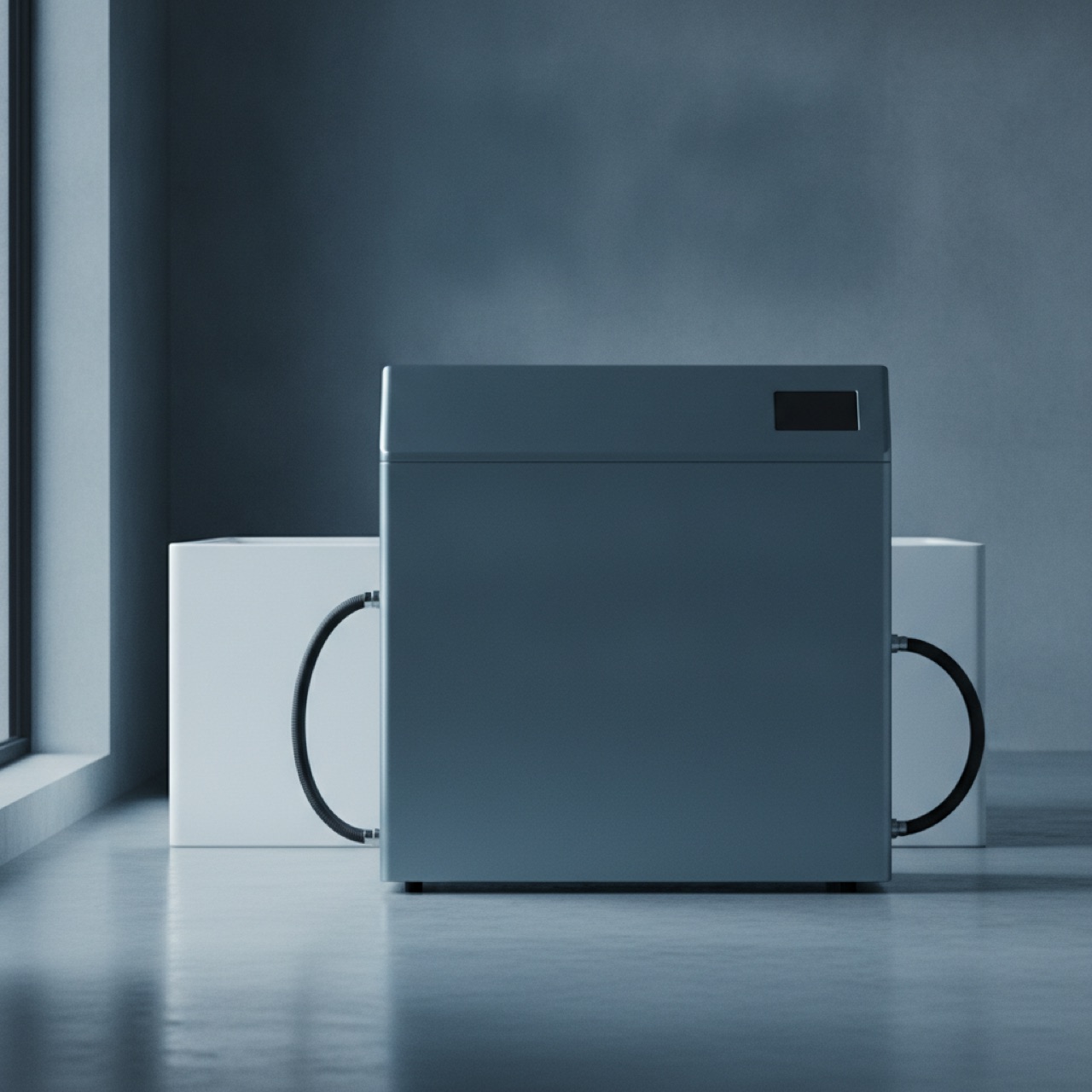
142 days in real cold
Every unit ran in a controlled 8°C ambient room and an unheated garage in Trondheim. We logged temperature stability, recovery rate, noise, and energy draw on calibrated probes.