Cold Plunge and Dopamine: What the 250% Study Actually Found
One number has carried the entire cold plunge wellness industry: a 250% dopamine increase. It traces to a single paper published in 2000, with ten participants, using a protocol almost nobody actually follows. This is what that study measured, what it did not measure, and what a real plunge probably does to your brain chemistry.
Yes, cold water immersion raises dopamine measured in blood plasma. The 250% figure is genuine and comes from Srámek et al. (2000): ten healthy young men, head-out immersion for one full hour at 14C (57F). In that condition plasma dopamine rose about 250% and plasma noradrenaline rose about 530%. Adrenaline did not change at all.
Three limits matter. The sample was ten people. One hour is ten to twenty times a normal plunge. And plasma dopamine is not brain dopamine - dopamine does not cross the blood-brain barrier. The alertness you feel after a plunge is better explained by norepinephrine, which rose twice as much and replicates far more consistently.
Where the 250 percent comes from
Every article, podcast clip, and product page quoting a dopamine percentage for cold water is quoting the same paper. Srámek, Šimečková, Janský, Šavlíková and Vybíral published Human physiological responses to immersion into water of different temperatures in the European Journal of Applied Physiology in 2000. Ten healthy young men sat head-out in water for one hour, on separate occasions, at three temperatures: 32C, 20C, and 14C.
Here is what the 14C condition produced:
Two details in that table almost never survive the trip into wellness content. The first is that adrenaline did not move. If cold immersion were simply a generic fight-or-flight trigger, adrenaline would be the marker that spiked hardest. It did not. What the pattern suggests instead is sustained sympathetic noradrenergic outflow driven by continuous skin thermoreceptor activation, which is a different physiological event from an adrenal panic response.
The second is that cortisol went down, not up. In the thermoneutral 32C condition cortisol fell 34%, and in the cold conditions it tended to decrease as well. Cold immersion is often described as a controlled stressor, and that description holds, but it is not a cortisol stressor in this protocol.
One more point about the 20C condition, because it undercuts a common shortcut. At 20C (68F) the same men raised their metabolic rate by 93% and their rectal temperature dropped. The physiological response was substantial. But the catecholamine surge belonged to the 14C condition. Merely cool water did not buy the same neurochemistry, which is one reason the temperature you actually plunge at matters more than the fact that it feels cold.
It is also worth understanding what kind of paper this is. It was a thermoregulation and autonomic control study. The authors were testing whether immersion responses are mediated by humoral mechanisms while cold responses are driven by sympathetic activity. Dopamine was one assay among many, sitting alongside cortisol, aldosterone, and plasma renin activity. The paper was never intended as evidence about mood, motivation, or reward, and it does not present itself that way.
Plasma dopamine is not brain dopamine
This is the single most important distinction on this page, and it is the one most consistently dropped.
The 250% figure describes dopamine concentration in venous blood. Dopamine is a polar molecule and is actively excluded from the central nervous system by efflux transporters at the blood-brain barrier. It does not cross into the brain in meaningful amounts. This is not a controversial or fringe position in pharmacology. It is precisely why Parkinson's disease is treated with levodopa, a precursor that does cross, rather than with dopamine itself.
A 250% rise in plasma dopamine tells you the sympathetic nervous system and peripheral tissues released more dopamine into circulation. It does not tell you anything directly about the mesolimbic reward pathway, which is what people mean when they say "dopamine hit."
Is there still a plausible route to central effects? Yes, and this is where honest reporting has to hold two things at once. Cold water keeps peripheral thermoreceptors firing continuously, which drives the locus coeruleus, which sends noradrenergic projections into the ventral tegmental area and nucleus accumbens. Noradrenergic input to the VTA can increase dopaminergic activity there. So a central dopamine response is mechanistically reasonable.
But that chain is inference assembled from animal work and pharmacology, not a human measurement. Nobody has run PET imaging or microdialysis on people during a cold plunge. The honest grade for "cold plunging raises brain dopamine" is plausible and unmeasured, which is a different thing from either proven or debunked.
The duration gap nobody mentions
Srámek used sixty minutes. Most people plunge for two to five. That gap is not a rounding error, it is an order of magnitude, and the extrapolation actually runs in two directions at once: real-world plunges are far shorter than the study, and frequently much colder than 14C.
No published dose-response curve exists for plasma dopamine across plunge-realistic durations. We do not know whether the catecholamine response is front-loaded and largely complete within the first minutes, whether it accumulates steadily across the hour, or whether shivering thermogenesis after the ten minute mark is doing most of the work. All three are defensible readings of a single data point at sixty minutes. If you want to reason about session length, our duration guide covers what the outcome research supports for each goal, which is a firmer footing than neurochemical guesswork.
What can be said is that some catecholamine release almost certainly happens in a short plunge, because the cold shock response begins within seconds of immersion. The claim that fails is the specific one: that a three minute plunge delivers 250%. That number was never measured under those conditions by anyone.
The downstream outcome data is sobering here. Cain and colleagues published a systematic review and meta-analysis in PLOS One in 2025 covering 11 randomised controlled trials and 3,177 participants, with water between 7C and 15C and exposures from 30 seconds to 2 hours. Mood showed no significant improvement immediately after immersion. Stress showed no effect immediately, at 1 hour, at 24 hours, or at 48 hours, but did show a significant reduction at 12 hours. Sleep quality improved in one study. A quality of life benefit from 30 to 90 second cold showers was present at 30 days and gone by 90 days. The authors described the field as having limited high-quality evidence, with few trials, small samples, and little population diversity.
Put simply: the neurochemical surge is real and documented, while the mood outcome it supposedly produces does not show up cleanly in randomised trials. Both facts are true and they belong in the same paragraph.
Norepinephrine is the better answer
If you want the mechanism behind the sharp, clean, awake feeling that follows a plunge, the evidence points at norepinephrine rather than dopamine.
In the same study, noradrenaline rose about 530% against dopamine's 250%. It is the larger effect by more than double. It also replicates: elevated norepinephrine during and after cold exposure appears across a wide range of studies, temperatures, and populations, in a way the dopamine finding never has. And norepinephrine is the neurochemical most directly responsible for arousal, vigilance, and sustained attention, acting through the locus coeruleus.
Dopamine gets the headline for a reason that has nothing to do with the data. It is the more recognisable word, it carries connotations of pleasure and reward, and "boost your dopamine" reads better on a product page than "increase peripheral noradrenergic tone." The substitution is a marketing decision, not a scientific one.
This reframing has practical value. If the effect is noradrenergic arousal rather than reward-system stimulation, then the useful applications are alertness, focus, and stress resilience training rather than motivation repair. That is also the frame that makes sense of why cold plunging is studied for anxiety as a controlled stressor exposure, and why breath control during immersion matters so much. Managing the gasp reflex is what converts the cold into a stimulus you are riding rather than an event happening to you.
What Huberman actually said
The 250% figure reached mass audiences largely through Andrew Huberman's Huberman Lab episode on deliberate cold exposure. It is worth separating his stated claims from what the internet turned them into, because the gap is instructive.
What he says is broadly accurate to the source. He cites the one hour, 57F immersion. He gives the 250% dopamine figure and the 530% norepinephrine figure. He notes the elevation persisted for a long period afterward, out to around two hours. In a December 2022 post he framed the catecholamine effects as achievable with either brief exposure at very cold temperatures (roughly 1 to 3 minutes at 35-45F) or long exposure at more moderate temperatures (30 to 60 minutes at around 60F). He also keeps the 11 minute per week figure, which comes from Susanna Soeberg's metabolic work, explicitly separate from the dopamine discussion.
Two things are fair to flag. The brief-and-very-cold pathway is presented as equivalent to the long-and-moderate one, and there is no published measurement establishing that equivalence. And the framing of the effect as lasting, in a format where the sample size and the plasma-versus-brain distinction get less airtime than the percentage, made a clipped version inevitable.
What he does not claim, but which now circulates constantly:
Does the effect fade with practice
Largely yes, and this is one of the better documented parts of the picture.
Cold habituation reduces sympathetic activation. Regular winter swimmers show attenuated catecholamine responses compared to unadapted people, with roughly three months of consistent winter swimming lowering catecholamine concentrations measured immediately after immersion in 0-2C water. Repeated cold air exposure produces the same pattern, with plasma norepinephrine responses declining across a series of exposures. Reviews of human cold habituation describe blunted sympathetic response as a defining adaptation rather than an incidental one.
Because the acute hit is strongest in the first weeks and shrinks as you adapt, people chase it by going colder. There is no evidence that colder water produces a larger dopamine response, and the risks of extreme cold, particularly cold shock and cardiovascular strain, are real and rise steeply below 10C.
Habituation is not the intervention failing. It is what physiological adaptation looks like, and the adaptation itself carries benefits, including improved cold tolerance and altered autonomic regulation.
One reassurance worth stating plainly: there is no documented dopamine crash or withdrawal syndrome from stopping cold plunging. Language about becoming dependent on the plunge for baseline mood is not supported by anything in the literature.
Evidence grades, claim by claim
Each dopamine-related claim rated by the quality and consistency of the published evidence behind it:
Replicated across multiple studies and populations. The single most consistent neurochemical finding in the cold water literature, and roughly twice the magnitude of the dopamine response.
Srámek et al. (2000), N=10, all young men, one hour head-out immersion. Published, peer reviewed, and never independently replicated at the same magnitude. Treat it as one data point, not a settled constant.
Subjective reports are consistent and the noradrenergic mechanism is coherent. But Cain et al. (2025), pooling 11 randomised trials and 3,177 participants, found no significant mood effect immediately post-immersion. The felt experience outruns the controlled trial data.
Winter swimmer studies show attenuated catecholamine concentrations after months of regular immersion, and repeated cold air exposure blunts the norepinephrine response. Cold habituation reviews describe reduced sympathetic activation as a core adaptation.
There is a coherent indirect pathway: cold activates peripheral thermoreceptors, which drives the locus coeruleus, which projects noradrenergic input to the ventral tegmental area. That is inference from animal and pharmacology work. No human study has directly measured central dopamine release during a cold plunge.
This is the version that circulates most widely and it has no supporting measurement. The figure was produced by a 60 minute immersion. No dose-response data exists for plunge-realistic durations.
Nothing in the literature shows a progressive upward shift in resting dopamine from repeated cold exposure. The measured effect is acute and time limited. Habituation data points the other way.
Dopamine burnout is not a clinical entity. No trial has tested cold immersion for anhedonia or substance use outcomes. This claim is entirely constructed from the 250% headline.
If alertness is your goal
Stripping out the neurochemical marketing, here is what a defensible protocol looks like for someone plunging specifically for the mood and alertness effect.
This band contains the 14C condition that produced the measured response and matches the research range generally. Colder has no documented dopamine advantage and adds cold shock risk.
Not because 250% happens here, but because this is where the outcome research for recovery and tolerance sits. Longer sessions at plunge temperatures raise hypothermia risk without a demonstrated neurochemical payoff.
The catecholamine elevation runs for a couple of hours, which is useful at the start of a working day and less useful close to bedtime for people sensitive to evening arousal.
The gasp reflex is the part of cold immersion that actually carries risk. Controlled exhalation through the initial shock is the difference between a stimulus and a panic response.
Each of those has a fuller treatment elsewhere on the site: temperature, duration, morning versus night timing, and breathing technique. For the wider picture of what cold immersion does and does not deliver beyond neurochemistry, including the muscle growth tradeoff that most sources omit, start with our evidence-graded benefits overview.
The honest summary is this. Cold plunging produces a genuine, measurable, temporary shift in sympathetic neurochemistry, dominated by norepinephrine rather than dopamine. It reliably makes people feel alert. It has not been shown to raise baseline dopamine, treat low motivation, or deliver 250% of anything in the three minutes most people actually spend in the water. Plunge because the acute effect is real and the practice is pleasant on the other side of it, not because a number from ten men in 2000 was reassigned to your morning routine.
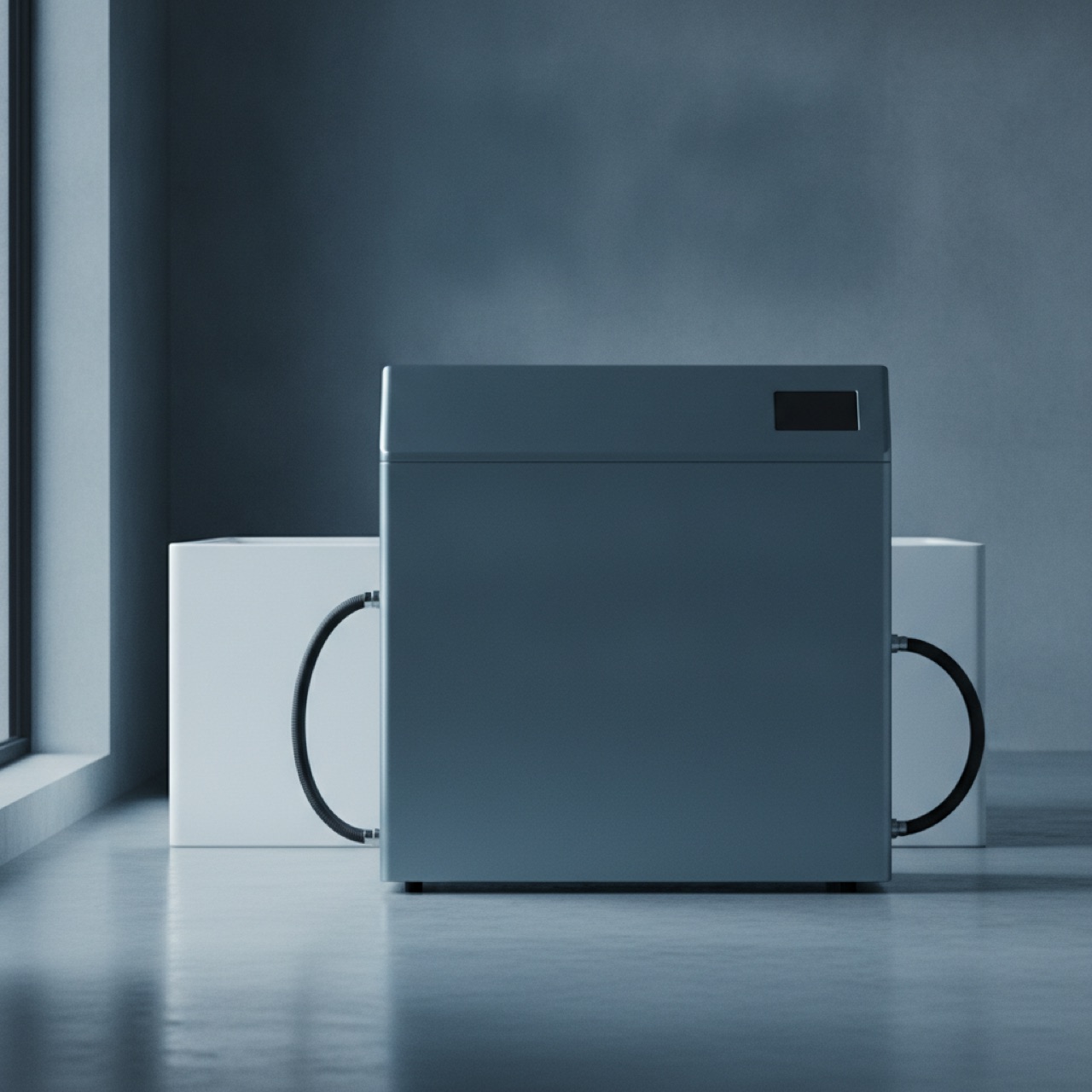
A chiller is what keeps water in the researched temperature band session after session instead of drifting with the ice you dumped in.
142 days in real cold
Every unit ran in a controlled 8°C ambient room and an unheated garage in Trondheim. We logged temperature stability, recovery rate, noise, and energy draw on calibrated probes.