Is a Cold Plunge HSA or FSA Eligible? Complete 2026 Guide
The short answer is: not automatically. Cold plunges purchased for wellness or performance do not qualify under IRS rules. But with a legitimate Letter of Medical Necessity for a specific diagnosed condition, they may - and some brands have built this pathway into their checkout process.
Cold plunges are NOT automatically HSA or FSA eligible. They qualify only with a Letter of Medical Necessity (LMN) from a physician diagnosing a specific medical condition such as chronic pain, arthritis, or rehabilitation need. In March 2024, the IRS issued warnings about wellness brands misrepresenting HSA eligibility. Brands like Plunge partner with medical services to facilitate legitimate LMN acquisition. If you have qualifying medical conditions and HSA funds, this is a viable path - but it requires genuine clinical evaluation, not a quick questionnaire.
What the IRS actually says
Under IRS Publication 502, a qualified medical expense must be primarily for the diagnosis, cure, mitigation, treatment, or prevention of disease, or for the purpose of affecting any body structure or function. General wellness, fitness, or health maintenance purchases - even ones with real health benefits - do not meet this standard.
The IRS specifically identifies heat and cold therapy as potentially qualifying medical expenses, but only when prescribed for a medical condition. This is the legal basis for cold plunge HSA eligibility via LMN - the therapy itself can qualify, but the purchase requires medical documentation linking it to a specific diagnosed condition.
In March 2024, the IRS issued a public alert warning about companies misrepresenting general wellness products as qualified HSA/FSA expenses. The alert specifically called out businesses offering "doctor's notes" based on brief questionnaires without genuine clinical evaluation. This does not invalidate legitimate LMNs - it reinforces that the LMN must reflect a real clinical assessment, not a rubber stamp.
HSA vs FSA: the important differences
For a cold plunge purchase, the practical difference between HSA and FSA is mainly timing. FSA funds have use-it-or-lose-it urgency - if you have FSA funds expiring at year end and a qualifying condition, this creates a natural purchase window. HSA funds do not expire, so the timing pressure is absent.
Medical conditions that can qualify
The following conditions have established evidence for cold therapy benefit and are commonly cited in legitimate cold plunge LMNs. You must have a formal diagnosis from a licensed healthcare provider - this cannot be self-diagnosed.
Cold therapy reduces nociceptor activity and inflammation in multiple chronic pain presentations.
Cold immersion is a standard physical therapy recommendation for OA joint pain and swelling.
Cold reduces inflammatory cytokine load and provides analgesia during flares.
Whole-body cold therapy has shown benefits in fibromyalgia symptom reduction in RCTs.
Post-surgical or injury recovery protocols routinely include cold therapy for inflammation and pain.
Cold water immersion produces 300%+ norepinephrine increase; small RCTs show antidepressant effects.
How to get a Letter of Medical Necessity
The process requires a genuine clinical relationship - not just an online form. Here is what the process should look like:
Schedule an appointment specifically to discuss cold therapy for your diagnosed condition. The physician needs to assess whether it is appropriate for you and document their recommendation. If they are unfamiliar with cold therapy evidence, bring the relevant research - there is substantial peer-reviewed literature supporting cold immersion for chronic pain, arthritis, and rehabilitation.
The LMN is only as strong as the underlying diagnosis. Make sure your condition is in your medical record with an ICD-10 code before the LMN is written. A physician writing an LMN for a condition that does not appear in your chart creates documentation inconsistency.
At minimum: your full name and date of birth, specific ICD-10 diagnosis code, a statement that cold water immersion therapy is recommended to treat this condition, expected frequency or duration of use, and the physician's NPI number, credentials, signature, and practice contact information.
Do not assume your purchase is automatically approved. Submit the LMN and your receipt to your HSA or FSA administrator before purchasing if possible, or immediately after. Save all documentation for at least 7 years in case of IRS audit. Keep the original LMN, your receipt, and any approval correspondence from your administrator.
Brands with HSA/FSA support
Several cold plunge brands have built HSA/FSA pathways directly into their purchase process, typically by partnering with Truemed or similar services that connect buyers with physicians for LMN evaluation.
Explicitly markets HSA/FSA eligibility. Accepts HSA/FSA cards at checkout. Partners with Truemed for LMN facilitation. Products range from $799 to $4,990.
HSA/FSA cards accepted. Recommends obtaining an LMN through your physician or via Truemed. Products start at $1,199.
Markets HSA and FSA eligibility with LMN support through their checkout process.
Not a cold plunge brand but a medical eligibility service that many brands partner with. Connects users with licensed physicians for LMN evaluation. Used by multiple wellness brands for HSA/FSA qualification.
Top cold plunges for HSA buyers
HSA buyers typically have more to spend and prioritize quality. These options represent the best value at different price points for buyers using pre-tax funds.
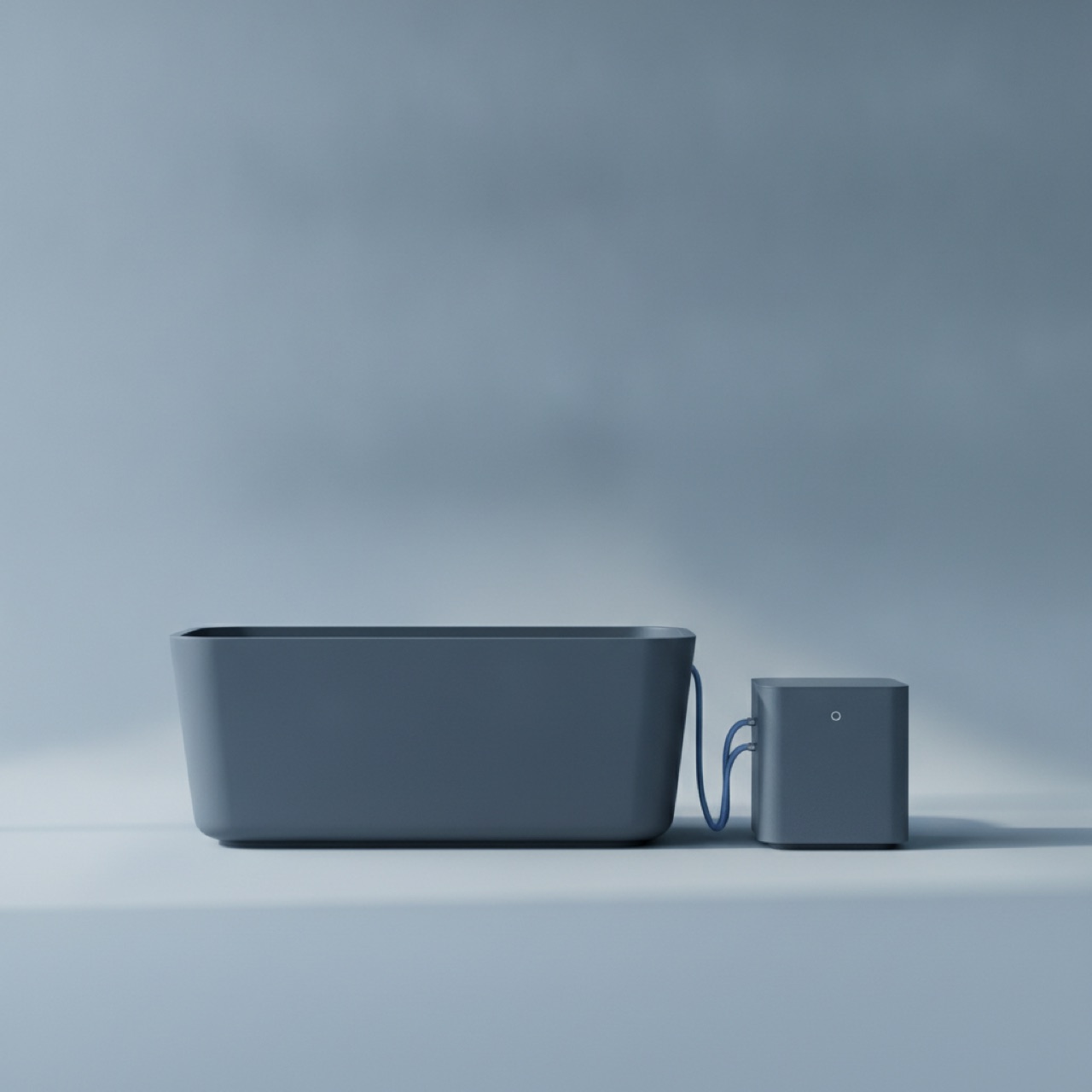
Plunge has the most established HSA/FSA checkout process of any cold plunge brand. The All-In model includes a built-in chiller maintaining precise temperatures (39-104°F), making it suitable for medical cold therapy protocols. Truemed partnership facilitates LMN acquisition for buyers with qualifying conditions. For buyers with HSA funds and a medical need, the pre-tax savings can be $800-$1,500 depending on tax bracket.
At $1,199 with HSA card acceptance, the Ice Barrel 300 is the most accessible entry point for HSA-funded cold therapy. Requires ice or an add-on chiller for temperature control. Works well for cold therapy at 50-60°F with regular ice additions. Valid for LMN-based HSA reimbursement when purchased through Ice Barrel's direct site.