Cold Plunge for Arthritis: Cold or Heat, and Why It Depends
Arthritis is not one condition, and cold is not one answer. Cold suits a hot, swollen, actively inflamed joint. Heat suits the stiffness that defines osteoarthritis. This guide separates the two properly, grades the evidence for whole-body cryotherapy in rheumatoid arthritis, and flags the two contraindications that matter most in autoimmune disease.
Cold helps joints that are hot, red and swollen right now, which means flaring rheumatoid arthritis, gout and pseudogout. Heat is usually better for osteoarthritis, where stiffness rather than swelling drives the symptoms, and cold reliably makes stiffness worse.
The 2019 ACR and Arthritis Foundation osteoarthritis guideline only conditionally recommends heat or cold, because effects are small and short-lived. Whole-body cryotherapy has some rheumatoid arthritis studies, but they are heterogeneous and mostly show no advantage over the comparator.
Do not cold plunge if you have Raynaud phenomenon, cold urticaria, cryoglobulinaemia or cold agglutinin disease. All are over-represented in autoimmune rheumatic disease. This article is general information, not medical advice.
Cold vs heat: the core decision
Almost every piece of cold plunge marketing aimed at joint pain skips the one question that actually determines whether cold will help: is this joint inflamed, or is it stiff? Those are different problems with different physiology, and the temperature that helps one tends to aggravate the other.
Cold constricts local blood vessels, slows the delivery of inflammatory mediators into the joint and raises the threshold at which pain receptors fire. That is a good match for swelling. Heat does the opposite: it increases local circulation and makes connective tissue more extensible, which is a good match for stiffness. The Arthritis Foundation gives exactly this practical advice, suggesting a warm shower or bath in the morning or before exercise to loosen joints, and cold when there is redness, swelling or bruising.
Versus Arthritis in the UK publishes the same split, with concrete safety numbers: gentle warmth for no more than about 20 minutes, never heat on a new injury, and ice for 20 to 30 minutes with a barrier against the skin, repeatable every two to three hours. Both organisations frame these as short-term symptom tools rather than treatments for the disease.
Vasoconstriction reduces local blood flow and swelling, and cold raises the firing threshold of nociceptors so the joint hurts less for a while. This is the classic flare presentation in rheumatoid arthritis, gout and pseudogout.
Heat increases tissue extensibility and local circulation and reduces the sensation of stiffness. The Arthritis Foundation specifically suggests a warm shower or bath in the morning or before exercise to loosen joints and reduce injury risk.
Short-duration morning stiffness is the osteoarthritis pattern. Cold reliably makes this worse. Warming up first and then moving is the better sequence.
Prolonged morning stiffness points towards inflammatory arthritis rather than wear-and-tear osteoarthritis. That is a rheumatology question, not a temperature question. Get the diagnosis before choosing a modality.
Both modalities give small, short-lived symptomatic relief here. Use whichever you find more tolerable. This is also where general cold plunge recovery benefits overlap with arthritis management.
That is a Raynaud pattern. Cold immersion is contraindicated and heat should be gentle. See a doctor, because secondary Raynaud often accompanies autoimmune rheumatic disease.
One honest caveat about the folk wisdom that cold weather worsens arthritis. It is reported constantly, but the large observational work is inconsistent: Ferreira and colleagues found no clear association between temperature, humidity, air pressure or rainfall and knee osteoarthritis pain exacerbations in a case-crossover design, while the smartphone-based Cloudy with a Chance of Pain study found modest associations with humidity and pressure. What is not in dispute is that people with osteoarthritis feel stiffer when cold, which is enough reason not to immerse a stiff joint in cold water and expect it to loosen.
Osteoarthritis and cold water
Osteoarthritis is the most common form of arthritis and the reason most people arrive at this question. It is also where the case for cold is weakest.
The Cochrane thermotherapy review (Brosseau et al., 2003) pooled three randomised trials with 179 knee osteoarthritis patients. The findings split by outcome in a way that is easy to misquote. Ice massage, delivered as 20 minutes a day for five days a week over three weeks, improved range of motion, function and quadriceps strength, with a 29 percent relative difference in strength. Cold packs reduced swelling. But ice packs did not significantly reduce pain compared with control. The reviewers were explicit that better designed studies with standardised protocols were needed.
Twenty-two years later the picture has not changed much. Dias and colleagues published a systematic review with meta-analysis in Pain Practice in 2025, pooling five randomised trials with 201 participants across Brazil, the UK, Turkey and Iraq. Cryotherapy produced a statistically significant pain reduction versus control (SMD -0.57, 95% CI -0.97 to -0.18, p = 0.004) but no significant improvement in function (SMD -0.28, p = 0.07). Critically, not one of the five trials had a low overall risk of bias, and the authors concluded that cryotherapy should be viewed as part of a broader plan alongside exercise therapy rather than a standalone treatment.
Two things follow from that. First, the studied intervention is local cooling of one joint, not whole-body immersion, so the evidence does not transfer cleanly to sitting in a tub. Second, the effect on stiffness runs the wrong way. If your knee takes fifteen minutes to loosen up in the morning, cooling it will extend that, not shorten it. Warm first, move, then consider cooling afterwards if the joint swells with activity.
If your interest in cold water is post-exercise recovery rather than joint disease, that is a genuinely different use case with a stronger literature behind it. Our cold plunge recovery guide covers what cold immersion does and does not do after training.
Rheumatoid arthritis and inflammatory flares
Rheumatoid arthritis is an autoimmune disease in which the synovium itself becomes inflamed. That is a genuinely different mechanism from the cartilage wear of osteoarthritis, and it is the reason the cold answer differs.
During a flare, the affected joint is warm, swollen and often red. Cold applied to that joint is well matched to what is happening in it, and it is standard advice from rheumatology services and arthritis charities. Between flares, the picture inverts: the dominant complaint is stiffness, and heat becomes the better tool. The same person may need cold on Tuesday and heat on Thursday, which is why blanket advice about cold plunging and arthritis fails.
One symptom is worth naming precisely. Morning stiffness lasting more than an hour is an inflammatory pattern, not an osteoarthritis pattern. If that describes you and you have not been assessed, the useful next step is a rheumatology referral, not a colder tub. Inflammatory arthritis responds to disease-modifying drugs that alter long-term joint damage, and no thermal modality does that.
Cold immersion measurably shifts acute inflammatory markers, and that is a separate topic from whether it changes autoimmune disease activity. The systemic inflammation question is covered in detail on our cold plunge and inflammation page. The short version for arthritis: a transient shift in circulating markers is not the same as controlling synovitis, and no trial has shown cold immersion altering the course of rheumatoid arthritis.
Whole-body cryotherapy vs cold plunge
Most of the arthritis cold research people cite is not about cold plunging at all. It is about whole-body cryotherapy: brief exposure in a chamber at around -110°C to -130°C for two to three minutes, usually in courses of six to twenty sessions inside a rehabilitation programme. That is a different stimulus from ten minutes in 50°F water, and the results do not transfer automatically.
Here is what the arthritis-relevant literature actually reports, graded honestly:
Locally applied heat or cold is conditionally recommended for hand, hip and knee osteoarthritis. The conditional grade reflects heterogeneous delivery methods and a short duration of benefit. Neither modality is graded as strongly recommended.
Three RCTs, 179 patients with knee OA. Ice massage improved range of motion, function and knee strength. Cold packs decreased swelling. Ice packs did not significantly affect pain. The authors called for better designed studies with standardised protocols.
Five RCTs, 201 participants with knee OA. Cryotherapy reduced pain versus control (SMD -0.57, 95% CI -0.97 to -0.18, p = 0.004) but did not significantly improve function (SMD -0.28, p = 0.07). No trial had a low overall risk of bias.
Systematic review of cryotherapy in inflammatory rheumatic disease. Pooling six studies with 257 RA patients showed significant reductions in pain VAS and DAS28 after repeated cryotherapy, alongside major heterogeneity in method and co-treatment.
Whole-body cryotherapy compared with other physical modalities, both alongside kinesitherapy, in RA. Both groups improved in pain, disease activity, fatigue and walking measures. No statistically significant between-group difference in DAS28, morning stiffness or pain.
Nineteen patients in an acute gout flare, randomised to standard drug therapy with or without added local ice. The ice group had significantly greater pain reduction (7.75 cm vs 4.42 cm on a 10 cm VAS, p = 0.021).
Read that table as a whole and the pattern is clear. Cold does something for pain in inflammatory and osteoarthritic joints, the effect is modest and short-lived, the trials are small and biased, and where cryotherapy has been compared head to head with another physical modality alongside exercise it has not come out ahead. That is a long way from the claims made in cold plunge advertising, and it is also a long way from useless.
By arthritis type
Eight presentations, rated by whether cold is an appropriate tool and how strong the underlying evidence is:
The best direct evidence for cold in any arthritis. Schlesinger et al. (Journal of Rheumatology, 2002) randomised 19 patients in an acute gout attack to standard prednisone and colchicine with or without added topical ice. The ice group reported a mean pain reduction of 7.75 cm on a 10 cm VAS versus 4.42 cm in controls (p = 0.021).
Note: Small single-centre trial, and ice was an add-on to drug treatment rather than a replacement for it.
A hot, swollen RA joint is the textbook indication for cold. Guillot et al. (2014) pooled six studies covering 257 RA patients and found reductions in pain VAS and DAS28 after repeated cryotherapy. Local application to the affected joint is the most practical version of this.
Note: The pooled trials were highly heterogeneous in method, joint, medication and co-treatment. Treat this as symptom relief, not disease control.
Between flares, the dominant complaint is stiffness rather than swelling, and heat is the better-matched modality. Arthritis charities on both sides of the Atlantic give the same split: cold for flares, heat for stiffness when the joint is quiet.
The Cochrane thermotherapy review (Brosseau et al., 2003) found cold packs decreased swelling in knee OA, and 20 minutes of ice massage five days a week for three weeks improved range of motion, function and quadriceps strength, with a 29 percent relative difference in strength.
Note: The same review found ice packs did not significantly reduce pain compared with control. Swelling and pain responded differently.
This is the largest group of people searching for cold plunge and arthritis, and it is the group least likely to benefit. Cold increases the perception of joint stiffness and reduces tissue extensibility, which is the opposite of what a stiff arthritic joint needs before movement.
The reasoning is inherited from rheumatoid arthritis rather than tested directly. A hot swollen joint responds to cold the same way regardless of which inflammatory arthritis produced it, but there is no dedicated trial evidence for cold immersion in psoriatic arthritis.
Note: Cold and dry air can worsen psoriatic skin plaques. Watch the skin as well as the joints.
Post-operative cryotherapy is a legitimate clinical protocol, but it is delivered as controlled local cooling by a surgical team, not by sitting in a shared tub of cold water. Wound immersion carries infection risk and altered skin sensation raises the risk of a cold injury you cannot feel.
Both are genuine contraindications to whole-body cold immersion, and both are over-represented in people with autoimmune rheumatic disease. Cold urticaria carries a documented risk of cold-induced anaphylaxis, most commonly triggered by full-body immersion.
If your joint pain is spinal rather than peripheral, the decision framework differs again, and heat has stronger guideline support for low back pain specifically. That is covered on our cold plunge for back pain page.
Contraindications you must not ignore
This section matters more for an arthritis audience than for a general one, because the conditions that make cold immersion dangerous cluster in exactly the same population.
Cold triggers exaggerated vasospasm in the digits, producing blanching, numbness and pain. Secondary Raynaud sits alongside the diseases that cause inflammatory arthritis: it is present in roughly 95 percent of people with systemic sclerosis and is frequent in lupus and mixed connective tissue disease. Provocative cold-water hand immersion is not even used as a diagnostic test any more because it is distressing and unreliable. Whole-body immersion is worse.
Mast cell degranulation on cold exposure produces wheals, and it is the one inducible urticaria that carries anaphylaxis risk without cofactors. A systematic review of 551 patients found 75 percent had a positive cold stimulation test, and anaphylaxis occurred in 37 percent of those. Cold-induced anaphylaxis is most commonly provoked by full-body cold water immersion, which is exactly what a plunge tub is. Note that around 20 percent of people with cold urticaria have a negative ice cube test, so a normal test result is not full reassurance.
Both involve proteins that precipitate or agglutinate at reduced temperature, and both can occur in the context of autoimmune rheumatic disease. Systemic cold exposure is contraindicated. If you have been told you have abnormal cold-reactive proteins, this article does not apply to you.
The cold shock response drives an immediate gasp, tachycardia and a sharp blood pressure spike in the first 60 seconds. Arthritis populations skew older and often carry cardiovascular comorbidity, and some rheumatology drugs affect blood pressure. This is a general plunging risk rather than an arthritis-specific one, and it is covered in more depth on our cold plunge side effects page.
Peripheral neuropathy, vasculitic skin lesions, long-term steroid-thinned skin and active ulcers all reduce your ability to detect a developing cold injury. Never apply ice directly to skin, always use a cloth barrier, and keep local applications inside the published time limits.
The full list of general risks, including the cold shock response and the situations where cold immersion has caused harm in otherwise healthy people, is on our cold plunge side effects page. Read it before your first session if you have any rheumatic diagnosis.
Practical protocol
If you have cleared the contraindications above and want to use cold for a joint, start local rather than whole-body. Local ice is what the trials tested, it is cheaper, it targets the joint that actually hurts, and it does not carry the systemic cardiovascular load of full immersion.
There is no arthritis-specific evidence that colder water works better, and colder water raises the risk profile without a matching benefit. Our cold plunge temperature guide explains where the commonly quoted ranges come from and why chasing lower numbers is a poor trade.
Cool a flaring joint locally while it is hot and swollen. Do not use whole-body immersion during a systemic flare with fever, fatigue or multiple inflamed joints, because that is a physiological stress you do not need on top of an active disease process. When the flare settles and stiffness takes over, switch to heat and gentle movement.
Rewarming matters as much as the cold itself. Come out, dry off, and rewarm passively with layers and gentle movement rather than jumping straight into a hot shower, which can leave stiff joints feeling worse once the rebound settles. If you are combining heat and cold deliberately, the sequencing question is covered on our cold plunge vs sauna comparison, and for stiffness-dominant arthritis the heat side is generally the more useful half of that pairing.
Finally, test it properly. Pick one joint, use one modality consistently for two to three weeks, and record morning stiffness duration and pain on a simple scale. Thermal effects are small and short, so a casual impression after two sessions tells you nothing. If the joint is stiffer or more painful the following morning, that modality is the wrong one for that joint.
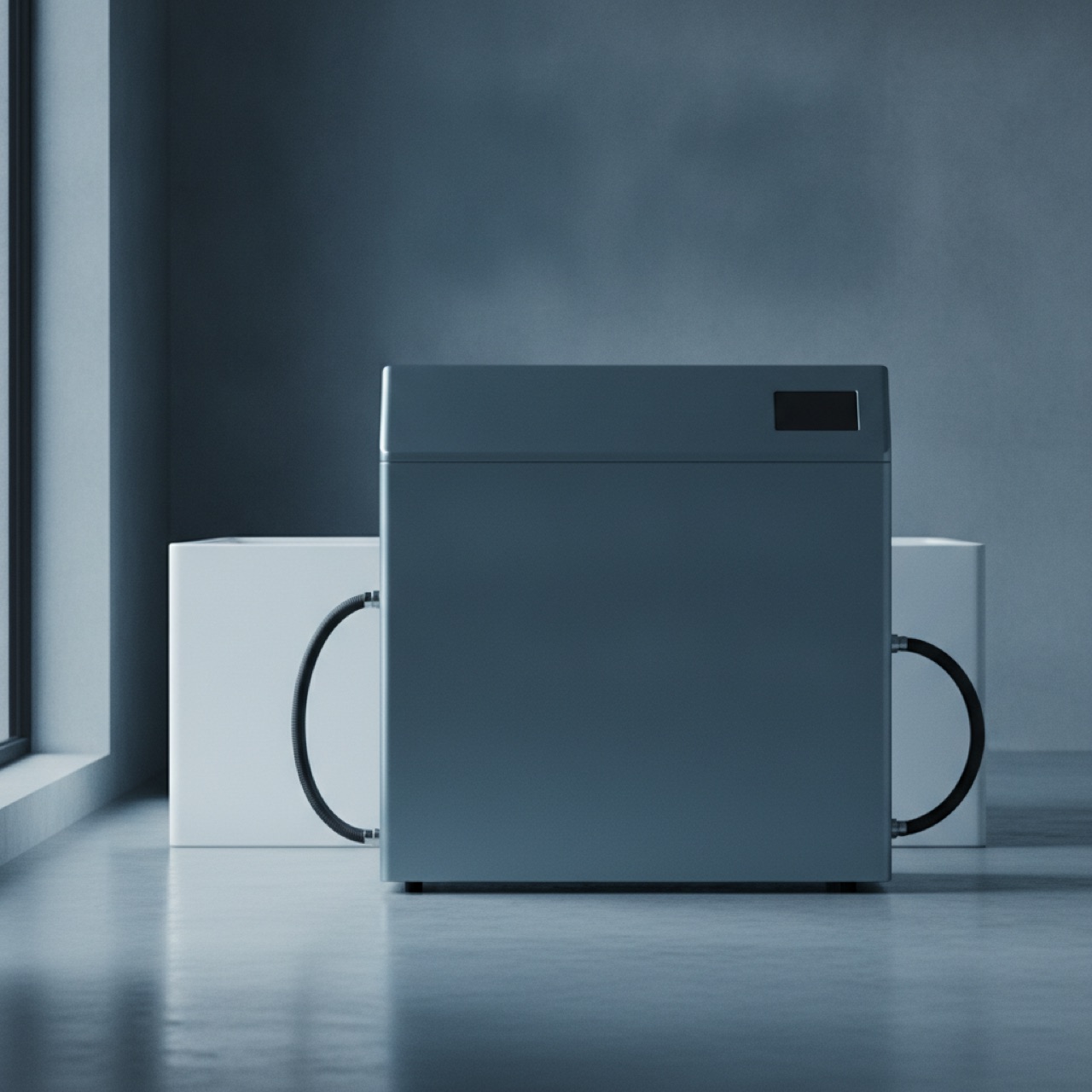
If you have cleared cold immersion with your clinician, precise and stable temperature control matters more than raw cold. Our chiller comparison covers the units that hold a set point reliably in the 50-59°F range.
This article is general information and is not medical advice. Arthritis covers more than a hundred distinct conditions with different mechanisms and different treatments. Nothing here should replace a diagnosis or a conversation with your rheumatologist, GP or physiotherapist, and none of it is based on first-hand testing in people with arthritis.