Cold Plunge and Sleep:
why timing decides everything.
Whether a cold plunge helps or hurts sleep depends on when you do it. A plunge in the 1-2 hours before bed tends to delay sleep: cold immersion spikes norepinephrine and alertness, and a rebound warming of the body works against the core temperature drop that triggers sleep onset. A morning or early afternoon plunge is far safer and may indirectly support sleep through stress reduction and circadian anchoring. If you can only plunge in the evening, finish at least 2-3 hours before bed. For sleep specifically, the evidence for a warm bath before bed is stronger than for cold.
Does cold plunging help or hurt sleep?
The honest answer is that it does both, and the deciding factor is timing. There is no clean "cold plunging is good for sleep" or "cold plunging ruins sleep" verdict, despite how often you see each claim stated with confidence online.
Done in the morning or early afternoon, a cold plunge may support sleep indirectly: it can lower stress reactivity, improve heart rate variability, and reinforce a strong wake signal that anchors your circadian rhythm. Done in the hour or two before bed, the same plunge tends to delay sleep, because the two main physiological effects of cold immersion, an alertness and norepinephrine spike and a rebound warming of the body, are almost exactly opposite to what your body needs to fall asleep.
It is also worth being clear about the strength of the evidence. The direct research on cold plunging and sleep outcomes is thin and mostly preliminary. Most of what we can say is mechanistic: we understand the thermoregulation and the catecholamine response well, and we reason forward from there. That is a reasonable basis for timing advice, but it is not the same as a large trial showing better sleep scores. If you want the broader time-of-day comparison beyond sleep, see our guide on cold plunge morning or night.
Core body temperature and sleep onset
To understand why timing matters, you have to start with how sleep actually begins. Sleep onset is tightly coupled to a fall in core body temperature. In the evening, as part of the circadian rhythm, your core temperature begins to drop by roughly 1.8 to 3.6°F (1-2°C), bottoming out a few hours into the night. This is not a side effect of being asleep. The temperature drop is part of the trigger.
The body sheds that heat mainly through the hands and feet. Blood vessels in the extremities dilate, blood flow to the skin increases, and heat radiates away. Work by Kurt Kräuchi and colleagues (1999, Nature) showed that the rate of this distal heat loss is one of the best physiological predictors of how quickly a person falls asleep. The faster the hands and feet warm and dump heat, the faster the core cools, and the sooner sleep arrives.
This is the key to the whole topic. Anything that keeps core temperature elevated, or that triggers strong vasoconstriction in the skin and extremities near bedtime, can slow this process and delay sleep onset. Cold water immersion does both, at least acutely, which is why the timing relative to bed matters so much.
The problem with plunging right before bed
Plunging in the hour before bed runs into two distinct problems. They are easy to confuse because both push in the wrong direction, but they happen at different stages.
The first is the alertness spike. Cold water immersion produces a sharp rise in norepinephrine, on the order of 200-300% above baseline in the Soberg et al. 2021 study (Cell Reports Medicine), along with elevated dopamine. Norepinephrine is a wakefulness and arousal signal. This is exactly why a cold plunge feels invigorating and is so often recommended in the morning. At 6am that surge is useful. At 10pm it is the wrong chemistry: you have deliberately triggered an alertness response right when you want your nervous system to wind down.
The second is the rebound warming effect. During immersion your skin blood vessels clamp down hard, shunting blood to the core. When you get out, the body overcorrects: vasodilation kicks in and you feel a flush of warmth. The aftermath of a cold plunge is a body that is actively generating and redistributing heat, which can nudge core temperature up rather than letting it fall. Since sleep onset needs core temperature to drop, a warming body near bedtime works directly against you.
Put together, the practical recommendation is simple: finish any cold plunge at least 2-3 hours before bed. That buffer lets the norepinephrine surge fade and the rebound warming resolve, so your normal evening temperature decline can proceed. People who are sensitive to stimulation, or who notice they lie awake on plunge nights, should widen that buffer to 3-4 hours. This same stimulation effect is part of why cold exposure can help with daytime mood and alertness, which we cover in our guide on cold plunging for anxiety.
When cold plunging may improve sleep
The flip side is that the benefits people associate with cold plunging and sleep are real, they just operate on a longer timescale and require the right timing. A morning or early afternoon plunge can support sleep through several indirect routes.
Note the honest framing here. These are plausible, mechanistically supported indirect benefits, not effects demonstrated by large sleep trials. The cold plunge sleep research that does exist is small and preliminary. Treat morning and afternoon plunging as a low-risk practice that may help sleep, not a proven sleep aid.
Cold plunge vs sauna for sleep
This is where intellectual honesty matters most. If your specific goal is to fall asleep faster and sleep more deeply, the evidence favors heat before bed over cold.
A 2019 systematic review and meta-analysis by Haghayegh and colleagues in Sleep Medicine Reviews looked at passive body heating, a warm bath or shower, before bed. It found that water at 104-109°F (40-43°C) taken 1-2 hours before sleep improved both sleep onset latency and self-reported sleep quality. The mechanism fits the temperature model exactly: warming the skin dilates blood vessels in the hands and feet, which accelerates the later loss of core heat, which speeds up the temperature drop that sleep onset depends on. The warm bath works by helping you cool down faster afterward.
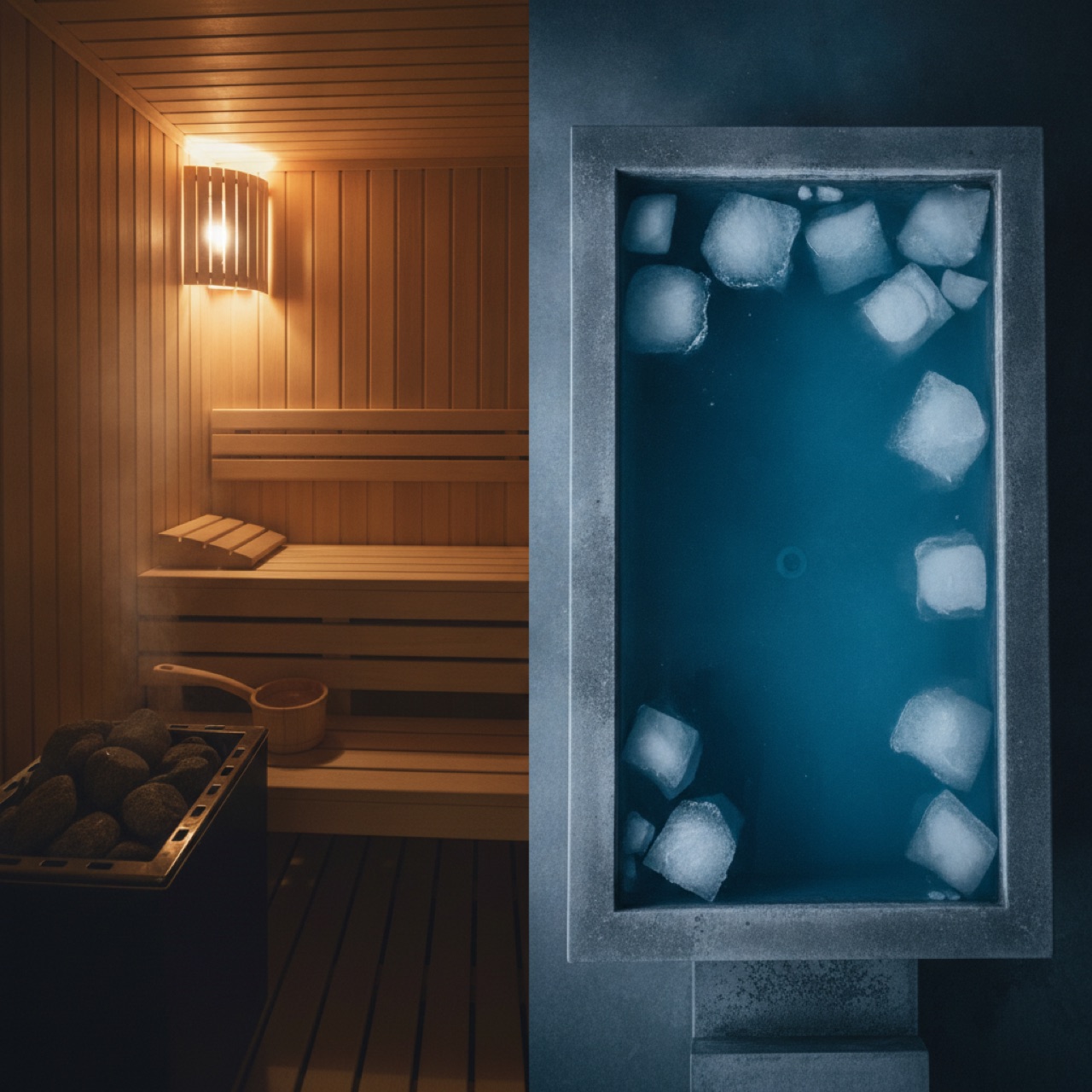
Cold immersion has no comparable body of pre-bed sleep evidence. A sauna session, which is passive heating, lines up better with the bedtime sleep literature than a cold plunge does. That does not make cold plunging useless for sleep, it just means the strongest pre-bed sleep tool is heat, not cold. If you are weighing the two practices more broadly, we compare them in detail in cold plunge vs sauna, and the contrast-therapy ordering question in our sauna or cold plunge first guide.
One caveat: if you do contrast therapy in the evening, end on the warm side, not the cold side, so you finish with the vasodilation that aids cooling rather than the vasoconstriction and alertness of a cold finish.
Practical timing, temperature, and the evening fix
Here is how to put the mechanism into a routine that protects your sleep.
- +Reinforces a strong morning wake signal
- +Anchors circadian rhythm
- +Alertness spike lands when you want it
- +Plenty of time before bed
- +Alertness boost fades well before bed
- +No core temperature interference at night
- +Can blunt an afternoon stress spike
- +Pairs well with a post-workout cooldown
- +Norepinephrine spike has time to fade
- +Rebound warming resolves
- +Core temperature can still drop at bedtime
- +Workable for evening-only schedules
- !Acute alertness and norepinephrine spike
- !Rebound warming raises core temperature
- !Works against the sleep-onset temperature drop
- !Common cause of lying awake
On temperature: for sleep purposes, you do not need to chase extreme cold. The standard cold plunge temperature ranges apply, 50-59°F (10-15°C) is plenty to get the benefits, and a colder plunge produces a stronger alertness spike, which is more disruptive if you are anywhere near bedtime. If anything, the closer to evening you go, the warmer and shorter you should keep the session. Keep how long you plunge on the shorter end too.
The evening-only fix: if your schedule genuinely only allows an evening plunge, do three things. Finish at least 2-3 hours before bed. Keep the water on the warmer end of the range and the session short, around 1-2 minutes. And give yourself a warm wind-down afterward, a warm shower or a sauna, so you end on heat and let the rebound cooling carry you toward sleep instead of fighting an alertness spike in the dark.
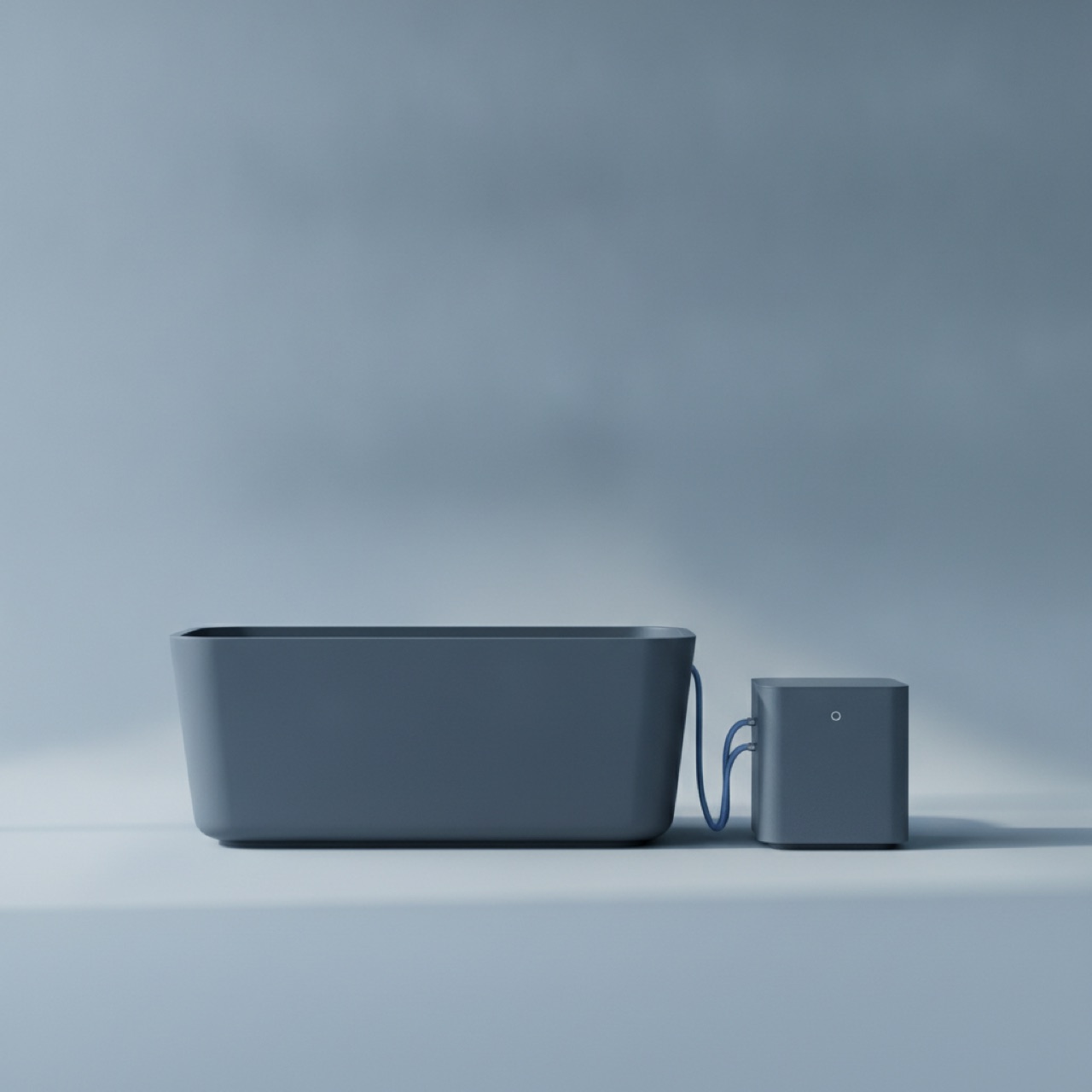
Sleep effect by time of day
The table below maps plunge timing against the two forces that shape sleep, the alertness spike and the rebound warming, and against the core temperature drop that sleep onset depends on. It is a quick reference, not a guarantee; individual sensitivity varies.
| Plunge timing | Alertness spike | Rebound warming | Core temp drop | Sleep effect | Verdict |
|---|---|---|---|---|---|
| Morning (6-9am) | Strong, welcome | None by bedtime | Reinforced | Likely positive | Best option for sleep |
| Early afternoon (12-3pm) | Fades by evening | None by bedtime | Neutral | Likely positive | Strong second choice |
| 3+ hours before bed | Mostly cleared | Resolved | Neutral | Usually neutral | Acceptable cutoff |
| 1-3 hours before bed | Partly present | Partly present | Mild interference | Often negative | Risky; widen the buffer |
| 0-1 hour before bed | Peak | Active | Direct interference | Likely negative | Avoid |
Note: "Sleep effect" reflects the typical direction for most people, drawing on the thermoregulation and catecholamine mechanisms rather than direct cold-plunge sleep trials, which remain limited. If you are stimulation-sensitive, treat the 1-3 hour window as risky and aim for a 3-4 hour buffer.