Affiliate disclosure - we earn from qualifying purchases. This article is educational and not medical advice.Beginners12 min readUpdated July 2026
10 Cold Plunge Mistakes to Avoid:
the beginner errors, and the fixes.
Quick answer
Most cold plunge mistakes fall into a few buckets: going too cold too soon, chasing duration, plunging right after strength training (which Roberts et al. found blunts muscle growth), hyperventilating or breath-holding before entry, skipping a GFCI on a DIY setup, ignoring water hygiene, plunging while sick or with an unscreened heart condition, going solo early on, expecting a dopamine miracle, and practicing with no consistency. Start warmer, keep it short, plunge with someone nearby, and build up gradually.
Reviewed by
Dr. Renée Halvorsen, PhD
Exercise physiologist. 11 years researching cold-water immersion at NTNU. Author of The Cold Protocol (Penguin, 2024).
Verified Expert38 articles
Why most mistakes are avoidable
Cold plunging is simple in principle: get in cold water, breathe, get out, warm up. The trouble is that the wellness internet has wrapped a simple practice in a lot of bad advice. Colder is treated as braver, longer is treated as better, and the safety fundamentals get buried under talk of dopamine and metabolic magic. Almost every problem beginners run into comes from one of those distortions rather than from the cold itself.
The good news is that the errors are predictable, so they are preventable. Below are the ten that come up most often, each paired with why it is wrong and the fix. A few are about performance, most are about safety, and a couple are about setting expectations so you actually stick with the practice. If you only take two things away: start warmer than you think, and do not treat time in the water as a competition. For the underlying numbers, our temperature guide and duration guide do the heavy lifting.
The 10 cold plunge mistakes
Read these in order the first time. The first four are where beginners get hurt or blunt their results, and the rest are the habits that separate people who quit in two weeks from people who still plunge a year later.
Why it is wrong
Filling the tub with ice and jumping into sub-40°F water on day one, chasing the extreme version before the body has adapted to any of it.
The fix
Beginners are safest at 50-59°F (10-15°C). Water below roughly 40°F sharply raises the risk of an uncontrolled cold shock response and cardiac stress. Start warmer, even 60-65°F, and drop a few degrees only after a couple of weeks.
Why it is wrong
Treating minutes in the water as a scoreboard. Sitting until the shivering is violent or the feet go numb, on the belief that more suffering equals more benefit.
The fix
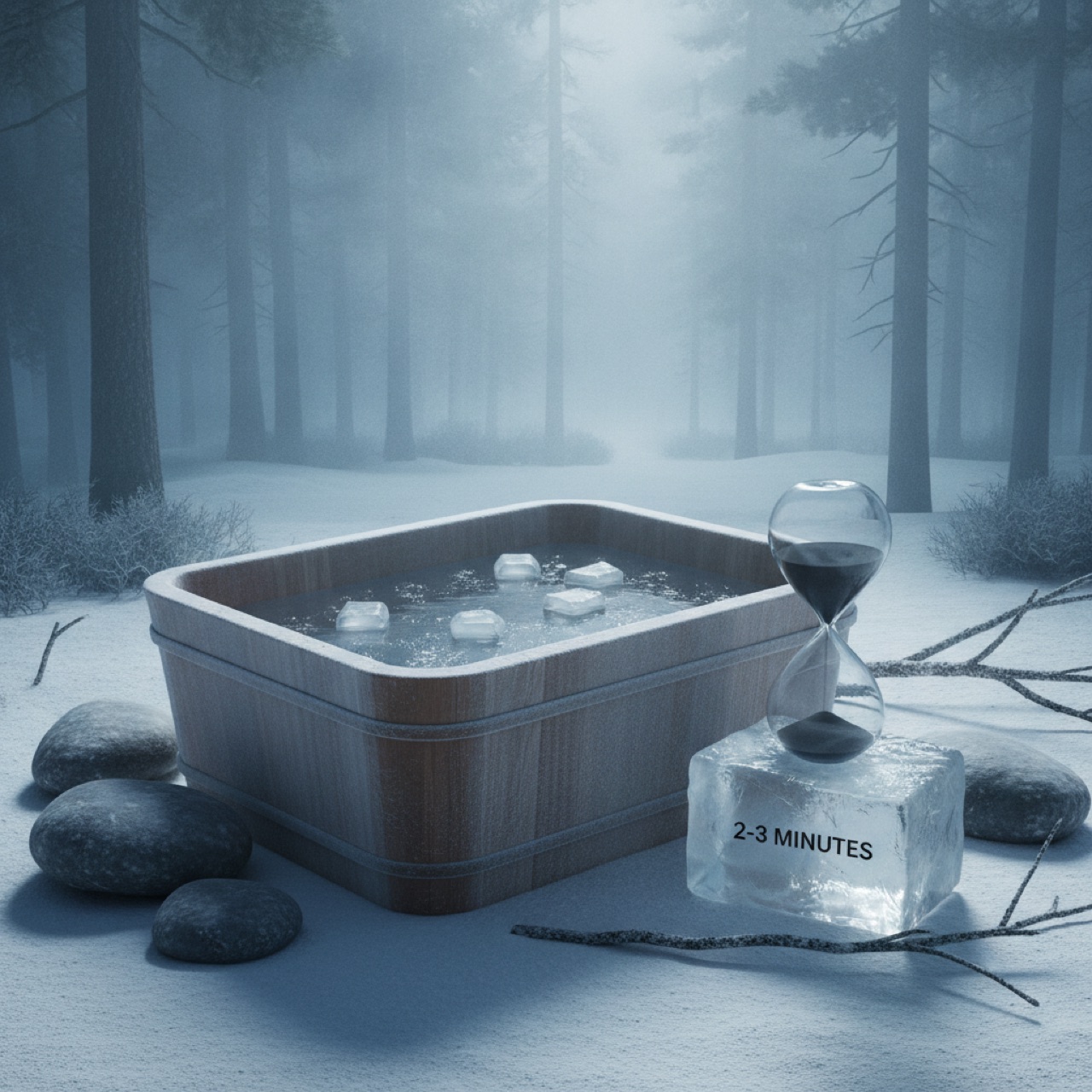
Colder and longer is not automatically more effective, and past a point it works against you. Begin at 30 seconds to two minutes and build gradually. Exit at the first hard, uncontrollable shivering. Do not chase numbness as a milestone.
Why it is wrong
Lifting hard, then jumping straight into the cold to "recover," assuming it always helps. For muscle building it can quietly undermine the whole point of the session.
The fix
Roberts et al. (2015) found cold immersion after resistance training blunted long-term muscle fiber hypertrophy and anabolic signaling versus active recovery. If growth is the goal, wait several hours or plunge on rest days.
Why it is wrong
Doing aggressive breathing rounds or repeated breath-holds right before getting in, then going fully under. This stacks two separate drowning mechanisms in the riskiest window.
The fix
Pre-plunge hyperventilation lowers carbon dioxide and can delay the urge to breathe, raising the risk of shallow-water blackout. Never breath-hold underwater in the first minute. Use slow nasal inhales and long exhales to stay calm.
Why it is wrong
Running a chest-freezer conversion, chiller, or submersible pump off an ordinary outlet, with live equipment sitting next to a tub of water you are about to climb into.
The fix
Any chiller or pump near water must be on a GFCI-protected circuit; a GFCI cuts power within milliseconds when it senses a leak. Safer still, unplug the chiller and pump every time before you get in, no exceptions.
Why it is wrong
Assuming that because the water is cold, it stays clean, and reusing the same water for weeks with no filter, no sanitizer, and no cover.
The fix
Cold slows bacterial growth but does not stop it; biofilms can form within about 72 hours. Without filtration or a sanitizer, change water every two to five days. Cloudy, slimy, foamy, or smelly water means drain, clean, and refill.
Why it is wrong
Powering through a fever or a chest cold to keep a streak alive, or starting a cold plunge habit with a known heart condition without asking a doctor first.
The fix
A body fighting infection is already strained; the sympathetic surge of a plunge can worsen it, and there is no evidence it clears a virus faster. Anyone with a heart condition should get medical clearance before plunging at all.
Why it is wrong
Doing early sessions solo, out of earshot of anyone, before you know how your body reacts to the shock and how well your coordination holds up on exit.
The fix
Cold shock and numb, clumsy limbs can make a manageable moment turn into an emergency with no one to help. Keep a buddy present or within earshot for the first weeks, and exit slowly onto a non-slip surface.
Why it is wrong
Believing marketing that a two-minute plunge delivers a permanent 250% dopamine high and fixes mood, metabolism, and immunity on its own.
The fix
The famous 250% dopamine figure (Šrámek et al., 2000) came from a one-hour immersion at 57°F, not a brief plunge. Real benefits exist but are smaller and more preliminary than the hype. Treat it as one tool, not a cure.
Why it is wrong
Plunging hard once, disappearing for a month, then going straight back to the extreme, so tolerance never builds and every session feels like a fresh assault.
The fix
Adaptation comes from consistency, not heroics. Early cold-shock changes appear within two to four weeks of regular exposure; long gaps let tolerance fade. Aim for short, frequent sessions spread across the week.
A few of these deserve a longer look. On mistake three, the evidence is specific: Roberts et al. (2015), published in The Journal of Physiology, had trained men either cold-plunge or do active recovery after leg resistance training for twelve weeks. The cold group showed smaller gains in muscle fiber size and reduced anabolic signaling. Maximal strength was less affected, so if your only goal is soreness relief or a big competition the next day, cold immersion can still earn its place. The mistake is doing it reflexively on every hypertrophy-focused session.
Mistake four is the one that turns fatal in real cold-water incidents. Deliberate hyperventilation before a breath-hold lowers carbon dioxide, which is the main trigger for the urge to breathe. Suppress that urge and you can black out underwater before you feel any need to surface. Stack that on the involuntary gasp reflex the cold triggers in the first 30 to 90 seconds and there is no margin. Keep your head up, keep breathing, and let the shock pass. Our guide to cold plunge breathing covers the slow-exhale technique that actually calms the response.
On mistake seven, two separate things get conflated. Plunging while sick is a bad idea because a body fighting infection is already carrying an elevated heart rate and inflammatory load; the sympathetic spike of a plunge piles on rather than helping, and there is no evidence it clears a virus faster. We cover the timing and exceptions in detail in our guide on cold plunging when sick. The heart-condition piece is separate and more serious: the simultaneous heart-rate rise and blood-pressure spike of cold immersion can unmask a cardiac problem, which is why anyone with heart disease, arrhythmia, or uncontrolled hypertension should get cleared first, as we lay out in the side effects and dangers guide.
Mistake nine is worth naming because it is why so many people are disappointed. The famous "250% dopamine" figure comes from Šrámek et al. (2000), who immersed men in 57°F water for a full hour, not the two to five minutes most people actually plunge for. The absolute rise scales with dose. A brief plunge still lifts mood and alertness, but not to that headline number, and the broader benefit research is real yet mostly small and preliminary. Set the bar there and you will keep going; set it at "miracle" and you will feel cheated. The honest, evidence-weighted version lives in our cold plunge benefits guide.
Mistake table: error vs fix
The whole list in one view. Screenshot this, or keep it by the tub for the first few weeks.
| The mistake | The fix |
|---|
| Water too cold too soon | Start at 50-59°F; go colder only after weeks of adapting |
| Staying in too long | Cap early sessions at 30s-2 min; exit at hard shivering |
| Plunging right after lifting | Wait several hours or plunge on rest days if building muscle |
| Hyperventilating before entry | No breath-holds; slow nasal inhales, long exhales, head up |
| No GFCI on DIY setup | GFCI-protected circuit; unplug chiller and pump before entry |
| Neglecting water hygiene | Change every 2-5 days without a sanitizer; watch for cloudy water |
| Plunging sick or unscreened | Skip when ill; get cardiac clearance before starting |
| Plunging alone early on | Keep a buddy present or within earshot for the first weeks |
| Expecting a dopamine miracle | Set realistic expectations; treat it as one tool, not a cure |
| Inconsistent, no progression | Short, frequent sessions; build gradually for real adaptation |
★ Best for controlled, consistent temperatureScore 9.4/10
Plunge All-In
A built-in chiller and filtration make it far easier to avoid the temperature and hygiene mistakes above than a DIY chest-freezer setup.
A sane beginner protocol
Put the fixes together and the practice almost runs itself. This is the low-drama routine that keeps the mistakes above off the table.
The first month, done right
✓Screen and set up safely
If you have any cardiac, vascular, or neurological condition, or are pregnant, get clearance first. On a DIY rig, confirm GFCI protection and unplug electricals before entering.
✓Start warm and short
Begin around 55-60°F for 30 seconds to two minutes. This is not timid; it is the range that produces adaptation without the extreme risk.
✓Never solo, never breath-hold under
Have someone present or within earshot for the first weeks. Keep your head up and breathe slowly through the first minute.
✓Progress gradually and stay consistent
Drop a few degrees or add time only every week or two. Two to four short sessions a week beat one occasional extreme plunge.
✓Keep the water clean
Without a sanitizer, refill every two to five days. Cover the tub, and drain at the first sign of cloudiness or odor.
✓Time it around training
If you lift for size, keep plunges several hours away from strength work, or use rest days.
For the exact ranges behind this routine, see: Cold plunge temperature guide and How long to cold plunge.
Frequently asked questions
What is the most common cold plunge mistake beginners make?+
The single most common beginner mistake is jumping straight into water that is far too cold. Beginners are safest starting at 50-59°F (10-15°C); water below about 40°F sharply raises the risk of an uncontrolled cold shock response, hyperventilation, and cardiac stress. Start warmer than you think you need to, keep the first sessions to 30 seconds to two minutes, and let your nervous system adapt over a few weeks before dropping the temperature.
Should I cold plunge after lifting weights?+
Not if muscle growth is your goal. Roberts et al. (2015) in The Journal of Physiology found that cold water immersion after resistance training blunted long-term muscle fiber hypertrophy and reduced anabolic signaling compared to active recovery, though maximal strength was less affected. If you are training to build muscle, wait several hours after a strength session before plunging, or plunge on rest days. Cold immersion still has a place for reducing soreness and fatigue when raw performance recovery matters more than hypertrophy.
Is it dangerous to hyperventilate before a cold plunge?+
Yes. Deliberate hyperventilation or repeated breath-holds before entering the water lower carbon dioxide levels, which can delay the urge to breathe and raise the risk of shallow-water blackout and drowning. It also stacks on top of the involuntary hyperventilation the cold itself triggers. Do not do breathing rounds that make you lightheaded right before a plunge, and never breath-hold underwater during the first minute. Use slow nasal inhales and long exhales to stay calm instead.
Do I need a GFCI for a DIY cold plunge?+
Yes. Any DIY setup that runs a chiller or pump near water must be on a GFCI-protected circuit. A ground fault circuit interrupter cuts power within milliseconds when it detects a small current leak, and GFCI protection is credited with cutting electrocution deaths sharply in wet environments. Beyond the GFCI, the safest practice is to unplug the chiller and pump every time before you get in. Water and electricity are the most serious and most overlooked DIY hazard.
How often should I change cold plunge water?+
Without filtration or a sanitizer, change the water every two to five days; outdoor tubs or multiple users may need it changed daily. Cold water slows bacterial growth but does not stop it, and biofilms can start forming within about 72 hours. With a proper filter, a sanitizer like chlorine or bromine, and a tight cover, home water can last much longer. Cloudy water, a slimy feel, foam, or an off smell all mean drain, clean, and refill before your next plunge.
Can I cold plunge when I am sick?+
It is generally not a good idea, especially with a fever or flu-like symptoms. A body already fighting an infection is under cardiovascular and metabolic strain, and adding the sharp sympathetic stress of a cold plunge can worsen fatigue, cause dizziness, or strain the heart. There is no clinical evidence that cold immersion clears a virus faster. Wait until you are recovered, and if you have any heart condition, get medical clearance before plunging at all.