IBC Tote Cold Plunge:
a cheap vessel with an expensive amount of water.
A 275-gallon IBC tote makes a workable cold plunge if it is food grade, sits on a slab that can take about 2,325 lbs, and is cut open, insulated and fitted with bulkheads. The catch is volume: a cut-down tote still holds 200 gallons or more, which is more than a 1/2 HP chiller is rated for and roughly 150 lbs of ice per cool-down. For most people a 100 to 150 gallon stock tank is the easier build; the tote wins when you want a compact square footprint and deep upright immersion.
What an IBC tote is
An intermediate bulk container, or IBC tote, is the caged plastic tank that syrups, oils and industrial liquids ship in. The common size holds 275 gallons, sits on a pallet-sized base of about 48 by 40 inches and stands around 46 inches tall. Inside the galvanized steel cage is a blow-molded polyethylene bottle with a 6 inch screw cap on top and a 2 inch valve at the bottom.
That shape is why people look at it for a plunge. The footprint tucks into a garage corner, the depth lets you sit upright with water at your shoulders, and a used tote can cost less than most tubs. What the spec sheet does not advertise is how much water you are signing up to keep cold, which is the theme of the rest of this guide. If you are still choosing a vessel, our overview of DIY cold plunge tubs compares the common options.
Food grade only, and why it matters
You are going to sit in this water up to your neck, so the history of the tote matters more than its price. New totes from industrial distributors use bottles made from FDA-compliant virgin resin. The polyethylene used for food-contact containers falls under the FDA's olefin polymer rules in 21 CFR 177.1520.
Used totes are where people get into trouble. A tote that shipped corn syrup or vegetable oil can be cleaned. A tote that shipped solvents, fertiliser or a chemical you cannot identify should be walked away from, because plastic can hold residue that rinsing does not remove. Ask the seller what the tote held, look for the label, and if nobody can tell you, buy a different one. Some sellers also offer rebottled totes, a used cage with a new bottle, which avoids the question entirely.
The weight problem
Water weighs about 8.34 lbs per gallon, and a full 275-gallon tote comes to roughly 2,325 lbs before you get in. Cut down to 200 gallons it still carries over 1,600 lbs of water. That load is concentrated on a 48 by 40 inch base, which is more than many decks were designed to carry.
Put the tote on a concrete slab or compacted, level gravel. If it has to go on a deck, treat it like a hot tub installation and get the structure checked first; we cover siting in more detail in our guide to running a cold plunge outdoors. And pick the final spot before you fill it, because a full tote is not going anywhere.
Build steps
The sequence below is the one most tote builds follow. None of it is difficult, but two parts reward care: the cut edges, which will be sharp, and the plumbing holes, which are the only places a finished build usually leaks.
Bulkhead fittings seal with their rubber gasket, not with sealant, and the hole size matters; U.S. Plastic publishes the hole sizes for its bulkheads, and a step drill makes clean holes in thin polyethylene. Our stock tank build guide walks through fitting bulkheads and plumbing a chiller loop in detail, and the same method applies to a tote.
Water and mains electricity sit a few feet apart in this build. Outdoor outlets at a home need GFCI protection under the 2023 electrical code, and the code also sets how far a receptacle must sit from the water. If any of that is unfamiliar, hire an electrician for the outlet, because it is the part of the project that can hurt you.
Chiller and ice sizing: where the tote gets expensive
Every extra gallon is heat you have to pull out. Water's specific heat is about 1 BTU per pound per degree Fahrenheit, so the math is simple and unforgiving.
That is why ice rarely makes sense for a tote; our guide to how much ice a cold plunge needs runs the same numbers for smaller tubs. A chiller is the practical route, and it has to be sized for the volume. Active Aqua lists its 1/2 HP chiller for 90 to 172 gallons, so a tote at 200 gallons or more sits above its rated range. In a garage in a mild climate a well-insulated tote may still hold temperature on a 1/2 HP unit; outdoors in summer, plan on a 1 HP class chiller such as the EcoPlus 1 HP.
Insulation changes the answer more than anything else. A bare, translucent bottle in the sun gains heat all day. Rigid foam board around the bottle, cladding over it and a tight insulated lid cut the load substantially and stop the light that feeds algae. Our DIY chiller guide covers sizing in more depth, and keeping 200 gallons clean is covered in our guide to keeping cold plunge water clean.
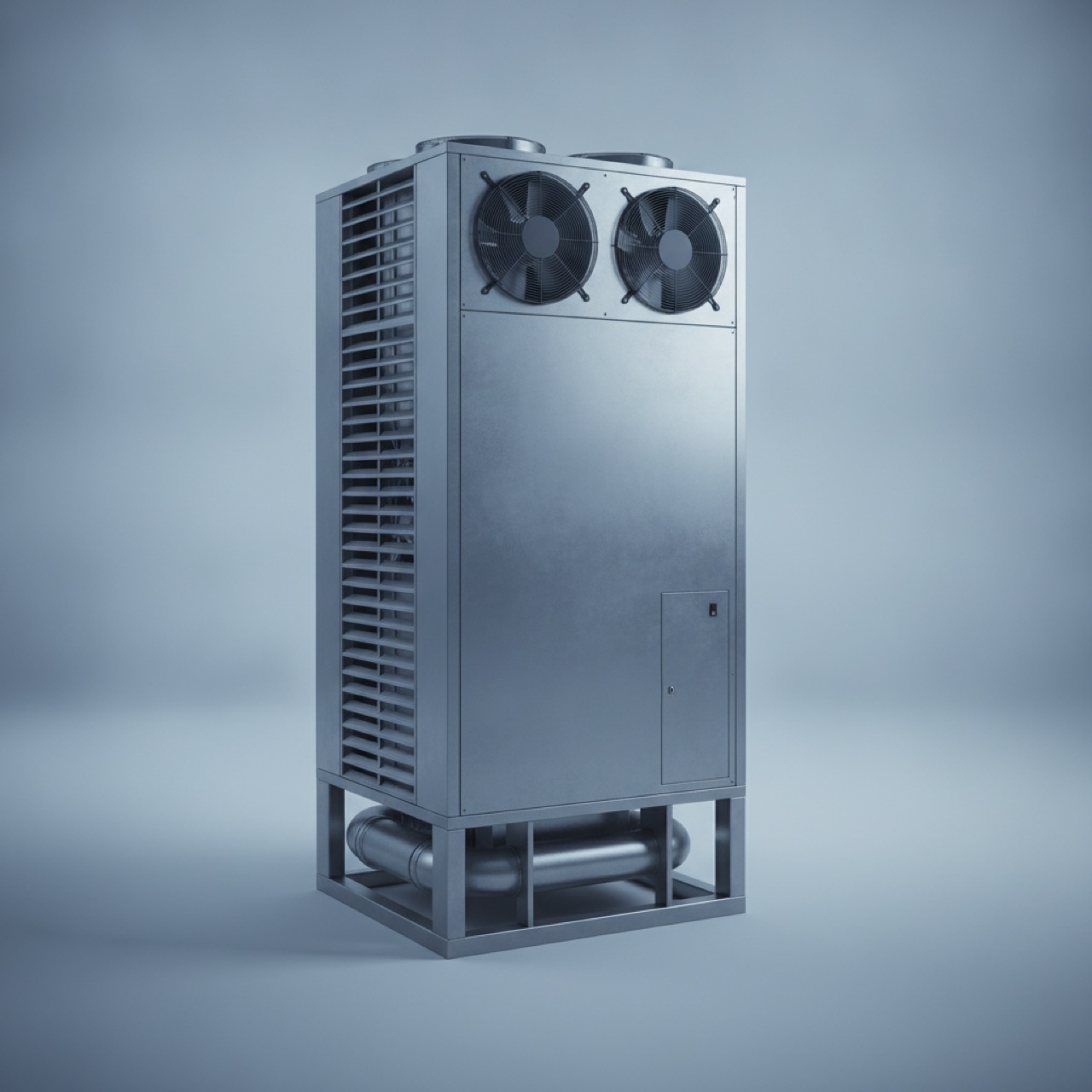
A 1 HP hydroponics chiller with a titanium heat exchanger. Loud, but it has the capacity a 200-gallon tote needs. Read our full review before buying.
IBC tote vs other DIY tubs
The tote is one of four common DIY vessels. Each trades something different, and the right one depends mostly on whether you want to recline, how much water you are willing to chill, and where it will live.
| Vessel | Water volume | Position | Main drawback | Main strength |
|---|---|---|---|---|
| IBC tote (cut down) | About 200-275 gal | Upright, knees bent | Very heavy full; big volume to chill | Cheap vessel, square footprint fits a corner |
| Stock tank (150 gal) | About 150 gal | Reclined | Uninsulated metal or poly; needs foam | Built to hold water outdoors for years |
| Chest freezer | About 60-120 gal | Seated, cramped | Needs a temperature controller and liner | Built-in cooling and insulation |
| Barrel (Ice Barrel class) | About 75-100 gal | Upright | Small; ice-cooled unless you add a chiller | Finished product, lifetime warranty |
If upright immersion in a small footprint is what attracts you, a purpose-built cold plunge barrel gives you the same position with a fraction of the water. If you want built-in cooling and insulation, the chest freezer route is cheaper to run but cramped and needs careful electrical work. The tote earns its place when you want deep, roomy upright immersion and are prepared to chill the volume that comes with it.
Frequently asked questions
Is an IBC tote safe to use as a cold plunge?+
How much does a full IBC cold plunge weigh?+
What size chiller does an IBC cold plunge need?+
Can I cool an IBC tote with ice instead?+
Should I cut the IBC tote or leave it whole?+
Is an IBC tote cheaper than a stock tank?+
Sources
What this page relies on. Specifications and prices from manufacturer pages change often, so check the brand before you buy.
- Container Exchanger. What are the dimensions of a 275 gallon tote?. containerexchanger.com.
- The Cary Company. 275 gallon IBC tote, new, UN rated, 2 inch NPT valve: product listing. thecarycompany.com.
- US Food and Drug Administration, via the Electronic Code of Federal Regulations. 21 CFR 177.1520: Olefin polymers (food-contact plastics, including polyethylene). ecfr.gov.
- US Geological Survey Water Science School. Water density. usgs.gov.
- US Geological Survey Water Science School. Specific heat capacity and water. usgs.gov.
- U.S. Plastic Corp.. What size hole do I cut for your bulkhead fittings?. usplastic.com.
- Eaton. GFCI 210.8(F): outdoor outlets under the 2023 NEC. eaton.com.
- NEC text reproduced for electrician continuing education. NEC 680.22(A)(1): required receptacle, location. electricallicenserenewal.com.
- Active Aqua (Hydrofarm). Active Aqua water chiller with Boost, 1/2 HP: listing and specifications. amazon.com.