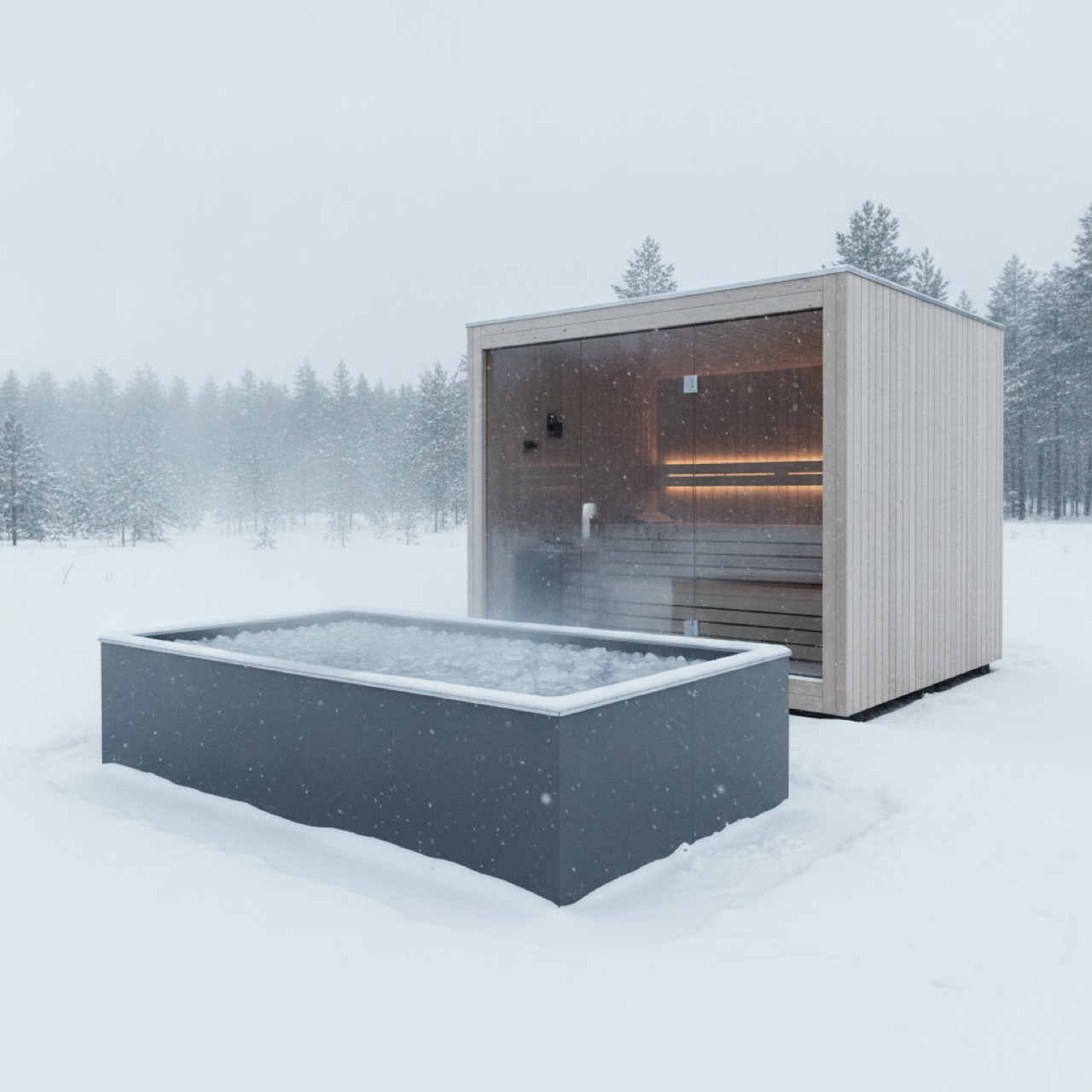
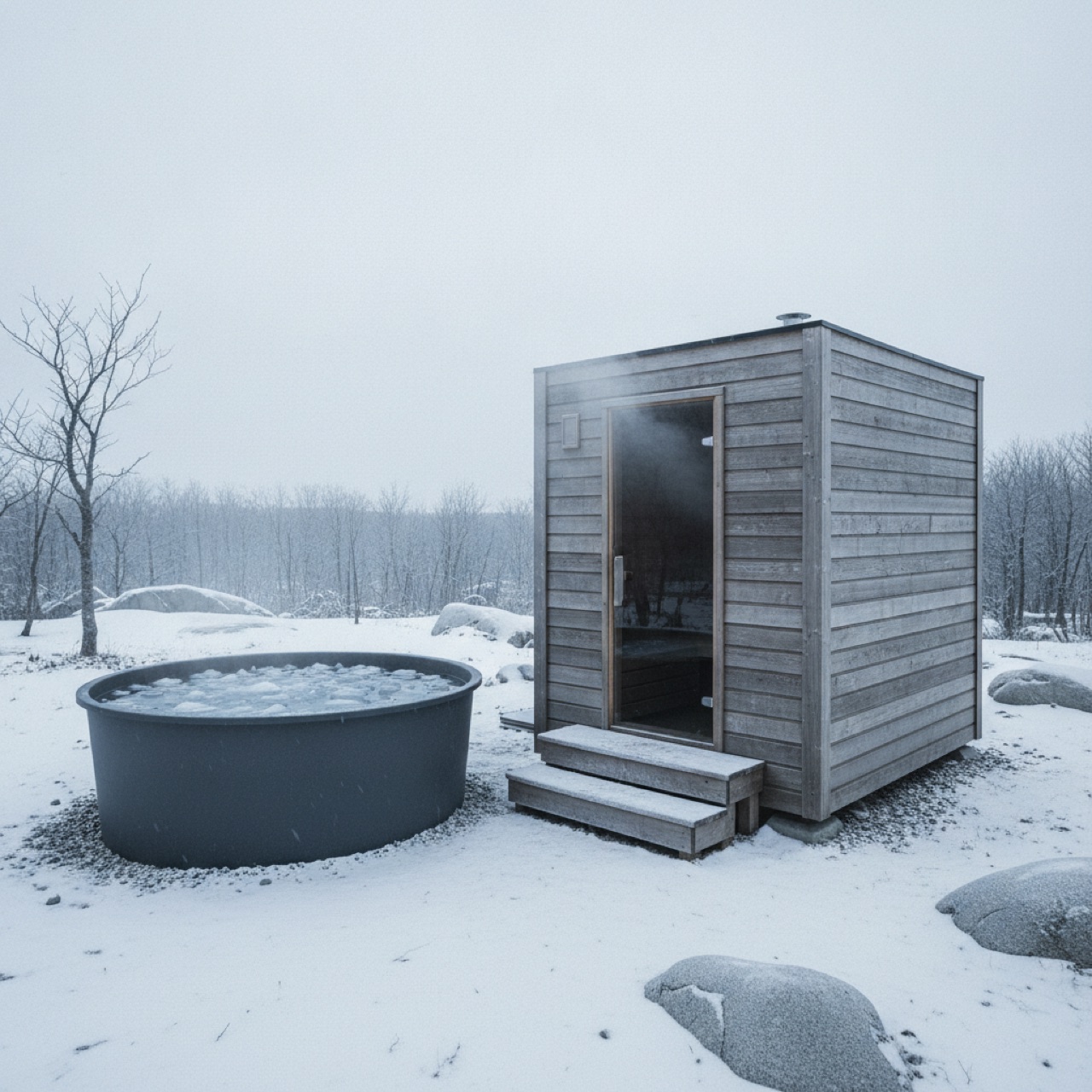
Hot Tub Cold Plunge Combo: Best Systems for Contrast Therapy in 2026
Contrast therapy - alternating between heat and cold - is one of the most researched recovery protocols available. This guide covers purpose-built hot tub and cold plunge combo units, DIY pairing setups, real prices, and exactly what to look for before spending $5,000 to $20,000 on a system.
A hot tub and cold plunge combo is a contrast therapy setup that alternates heat exposure (hot tub or sauna, 100-104F) with cold immersion (cold plunge, 50-59F). Purpose-built combo units start at $4,999 (AquaRest CTX 2000 on 120V) and rise to $15,000+ for premium systems. If you already own a hot tub, adding a standalone cold plunge is the more flexible and often more affordable route. A few single-cabinet units now do both jobs from one tub; the Kodiak from Jacuzzi covers 40 to 104F with a built-in heat pump and chiller.
Best for: athletes in active training, anyone with chronic muscle soreness or joint pain, and people who have already found cold plunging valuable and want to amplify the effect. Not recommended as a first foray into cold therapy - establish the cold plunge habit first.
Why contrast therapy works: the physiology
Contrast therapy exploits one of your vascular system's most powerful responses. Heat causes vasodilation - blood vessels expand, blood flow increases, and muscles relax. Cold causes vasoconstriction - blood vessels contract, inflammation is suppressed, and the sympathetic nervous system activates. Alternating between these states repeatedly creates a pumping effect in the vascular system that is sometimes called "vascular gymnastics."
The practical outcomes of this cycling include: accelerated clearance of metabolic waste products from muscle tissue, reduced delayed onset muscle soreness (DOMS), improved circulation in peripheral tissues, and a hormonal response that includes elevated norepinephrine from the cold exposure and cortisol regulation from the heat phase. Research published in multiple sports science journals shows repeated contrast therapy protocols outperform cold-only or heat-only interventions for post-exercise recovery in trained athletes.
The heat component also has independent benefits: raising core body temperature promotes growth hormone release, increases flexibility and range of motion, and produces a parasympathetic (rest-and-digest) state that aids sleep when sessions are done in the evening.
The contrast therapy protocol: temperatures, timing, and rounds
The traditional Finnish approach alternates rounds and ends with cold - finishing cold leaves you alert and invigorated. If your goal is relaxation and improved sleep, end with heat instead. See our detailed guide on sequencing cold plunge and hot tub.
Top picks: hot tub cold plunge combo systems
Comparison table
Buyer's guide: what to know before you buy
Space requirements
The smallest purpose-built combo units need roughly 95" x 47" of floor space - about 8 feet by 4 feet. The Chilly GOAT Valaris needs 7 feet by 7 feet (84" x 84"). For DIY setups, plan for the hot tub footprint plus a 50-75" cold plunge alongside it, with 3 feet of walkable clearance between them for safe transitions. Total footprint: expect a minimum of 10 feet by 8 feet for a comfortable dual-unit outdoor setup.
Electrical requirements
The AquaRest CTX 2000 is the only purpose-built combo that runs on a standard 120V outlet - an important differentiator. All other systems in this category require a 240V, 50-60 amp dedicated circuit installed by a licensed electrician. Budget $500-$1,500 for electrical work on top of the unit price. For DIY setups, the cold plunge typically runs on 110V while the existing hot tub uses its existing 240V circuit.
Indoor vs outdoor installation
Most combo systems are designed for outdoor use. Indoor installation requires ventilation planning for the chiller's heat exhaust, drainage access, and floor load capacity for the filled weight (often 2,000-3,500 lbs combined). Outdoor patios and concrete slabs handle this easily. Indoor home gym or basement installations need structural verification - consult a contractor if in doubt.
Installation complexity and permits
Plug-in 120V systems like the CTX 2000 have minimal installation requirements. Systems requiring 240V need a licensed electrician and may require an electrical permit. Some municipalities require a building permit for permanent outdoor spa structures, especially those with a roof or enclosure, and a built-in plunge is usually permitted as a pool or spa with barrier and bonding rules; see our in-ground cold plunge guide. Check your local building codes before ordering anything over $5,000.
Ongoing maintenance costs
Budget for two separate maintenance streams if buying a purpose-built combo: the hot tub side needs chemicals (chlorine or bromine, pH balancer) at roughly $30-$60/month, plus annual service. The cold plunge side needs filter replacements every 3-4 months and water changes every 4-8 weeks. Electricity for both units combined typically runs $40-$100/month depending on climate and usage frequency.
Already have a hot tub? What cold plunge to add
If you have a working hot tub, you do not need to buy a combo unit. The hot tub already provides the heat side of contrast therapy. You need to add a cold plunge that: (1) fits in your available space, (2) can be placed close enough to the hot tub for easy back-and-forth, and (3) cools to genuine cold plunge temperatures independently.
At 31" wide, a barrel fits alongside most hot tubs without major space planning. No electricity required - ice fills. From $999. Best for: casual contrast therapy, smaller patios, testing the practice before spending more.
See cold plunge tubs guide ->A chiller-equipped unit at $4,990-$6,498 maintains consistent cold temperatures daily without ice costs. Best for: athletes, daily plungers, anyone who has already validated the habit and wants a no-friction setup. Pairs perfectly with any existing hot tub.
See cold plunge chillers ->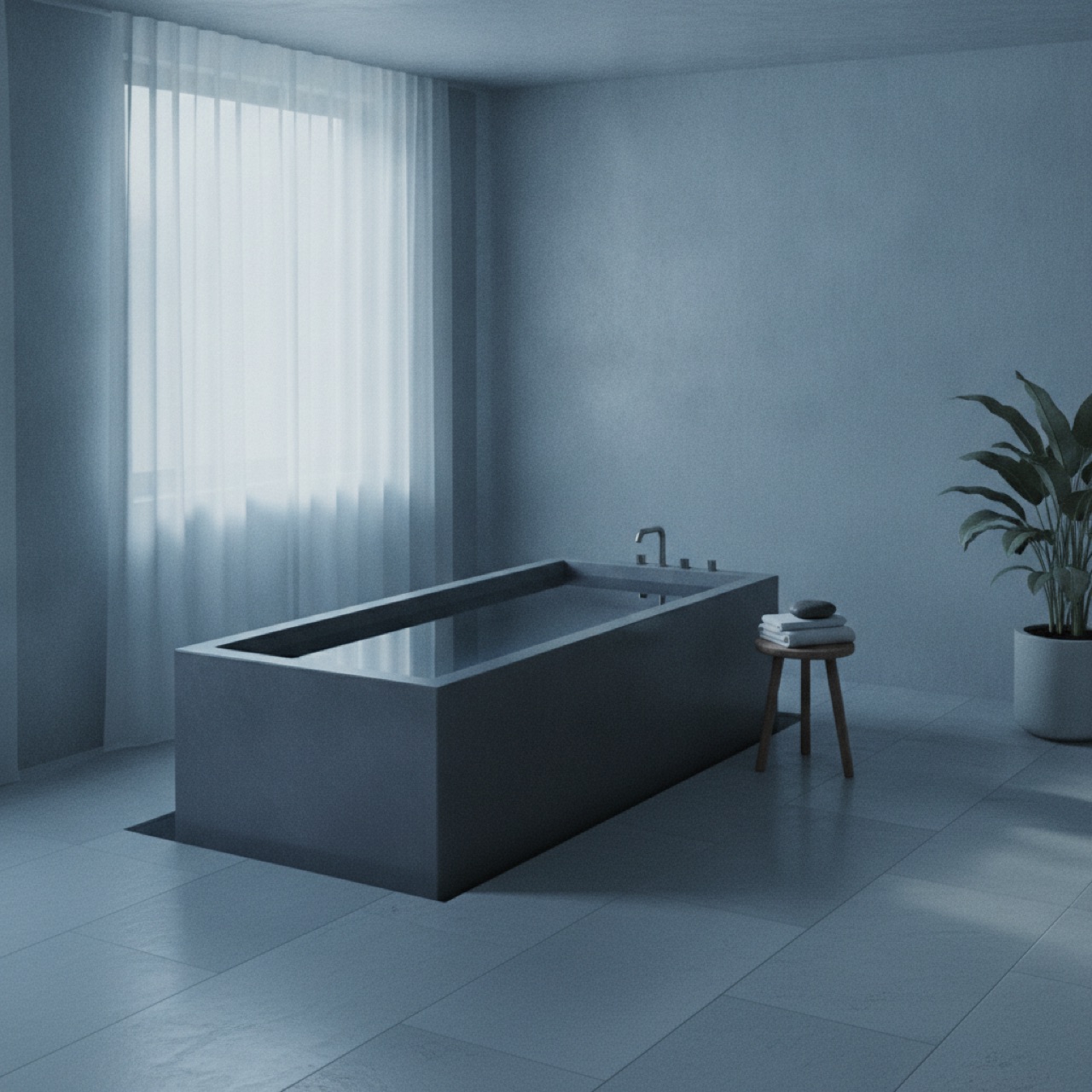
Frequently asked questions
How much does a hot tub cold plunge combo cost?+
How much space does a hot tub cold plunge combo require?+
Do hot tub cold plunge combos require a permit?+
How long should you stay in each temperature during contrast therapy?+
Is contrast therapy safe for everyone?+
Is a hot tub and cold plunge combo worth the investment?+
Can I add a cold plunge to my existing hot tub?+
Sources
What this page relies on. Research links go to the abstract on PubMed. Specifications and prices from manufacturer pages change often, so check the brand before you buy.
- Laukkanen T, Khan H, Zaccardi F, Laukkanen JA (2015). Association between sauna bathing and fatal cardiovascular and all-cause mortality events. JAMA Internal Medicine.
- Bieuzen F, Bleakley CM, Costello JT (2013). Contrast water therapy and exercise induced muscle damage: a systematic review and meta-analysis. PLOS ONE.
- US Centers for Disease Control and Prevention. What you can do to stay healthy in hot tubs. cdc.gov.
- Jacuzzi. Kodiak cold plunge pool: product page. jacuzzi.com.
- Renu Therapy. Cold Stoic 3.0: product page. renutherapy.com.