Edge Theory Labs Cold Plunge Review: The Portable Chiller That Punches Up
Edge Theory Labs makes what may be the most versatile cold plunge at this price point: an inflatable tub paired with an external chiller that cools to 37F and heats to 107F. At $3,495 for the base Hydro and $4,995 for the Elite, it undercuts hardshell competitors significantly while delivering equivalent cold plunge performance - plus the ability to deflate and store it. Here is how it holds up.
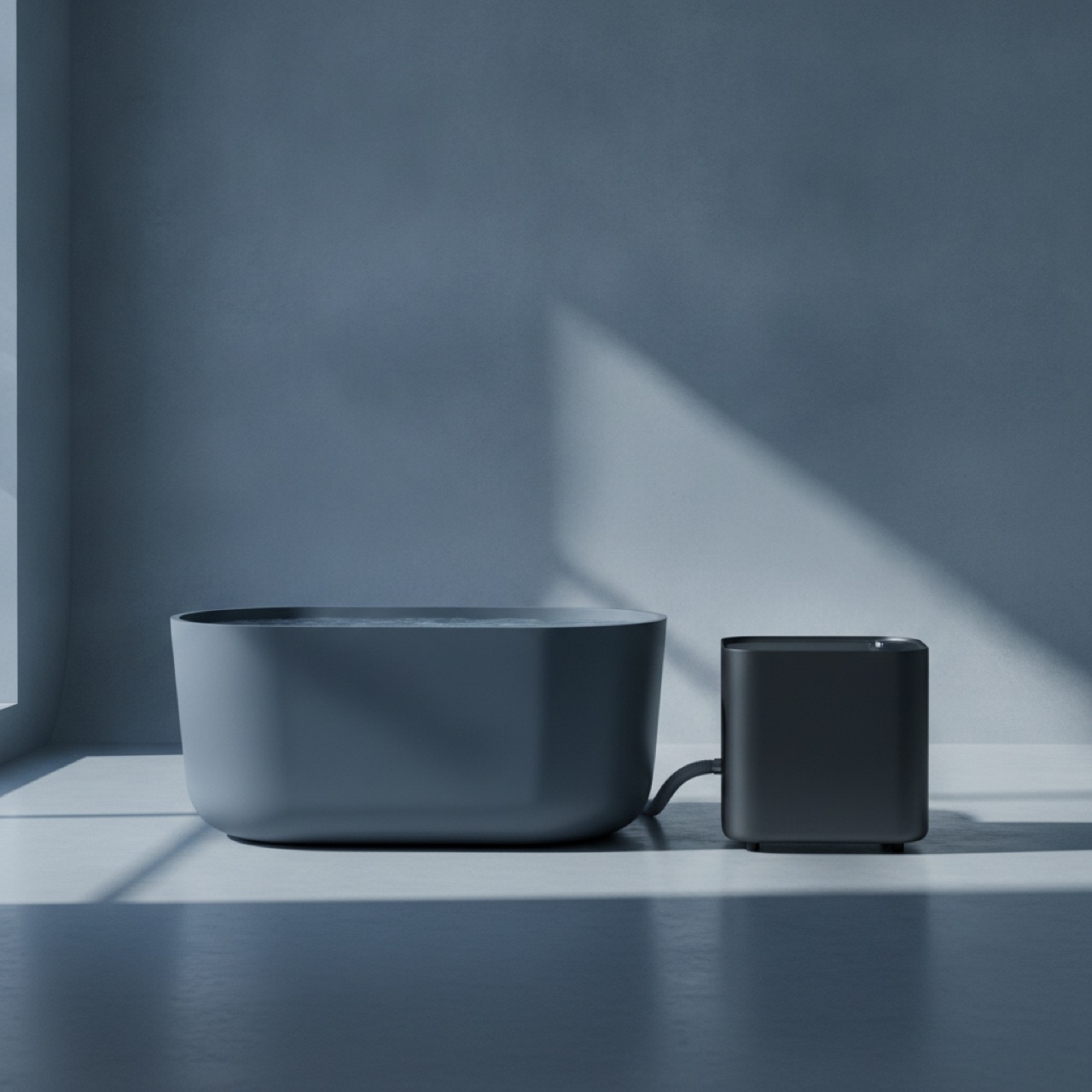
The Edge Theory Labs Hydro is an inflatable cold plunge tub paired with an external 1HP chiller unit. It cools to 37F and heats to 107F. The multi-layer inflatable shell insulates well enough to maintain temperature efficiently, and the chiller's built-in ozone filtration keeps water clean without additional chemicals.
At $3,495-$4,995 depending on model, it delivers the same minimum temperature as the $8,990 Plunge All-In, plus hot tub functionality, plus portability. The trade-off is that it looks like what it is - an inflatable tub - rather than a permanent installation. If aesthetics and permanence matter less than performance-per-dollar and flexibility, this is the best value case at this tier.
Full specifications
Category scores
Pros and cons
Who the Edge Theory Labs Hydro is actually for
The Hydro is the best option for three specific buyer profiles. First: renters or people who move frequently. No other unit with a proper chiller can be deflated, packed, and moved with you. Second: buyers who want both hot and cold functionality without two separate units. The 37F to 107F range in a single setup for under $5,000 is genuinely unusual. Third: buyers who want chiller-quality cold plunge performance but cannot justify $7,000-$9,000 for a hardshell unit.
The Hydro is not the best choice for buyers who care deeply about aesthetics and want the cold plunge to look like a permanent, architectural feature of their space. The inflatable tub, while functional, does not have the polished look of units like the Plunge All-In or the LIT Stealth hardshell. If you are installing this in a visible wellness room or outdoor entertaining space, the visual impact is different.
Build quality and design
The inflatable tub uses multi-layer PVC construction with an air-filled insulating wall between the outer shell and the water-contact inner liner. This insulation approach is more effective than it looks. In our controlled ambient testing at 8C, the Hydro maintained water temperature within 2-3 degrees Fahrenheit during a 24-hour hold period without the chiller actively cycling - better than several hardshell units tested in the same environment.
The Hydro Elite adds a foam-backed outer shell that improves insulation further and gives the unit a slightly more substantial feel when inflated. In hot ambient environments above 85F, the difference between Hydro and Hydro Elite becomes meaningful - the Elite's improved insulation reduces chiller duty cycle and therefore running costs in summer conditions.
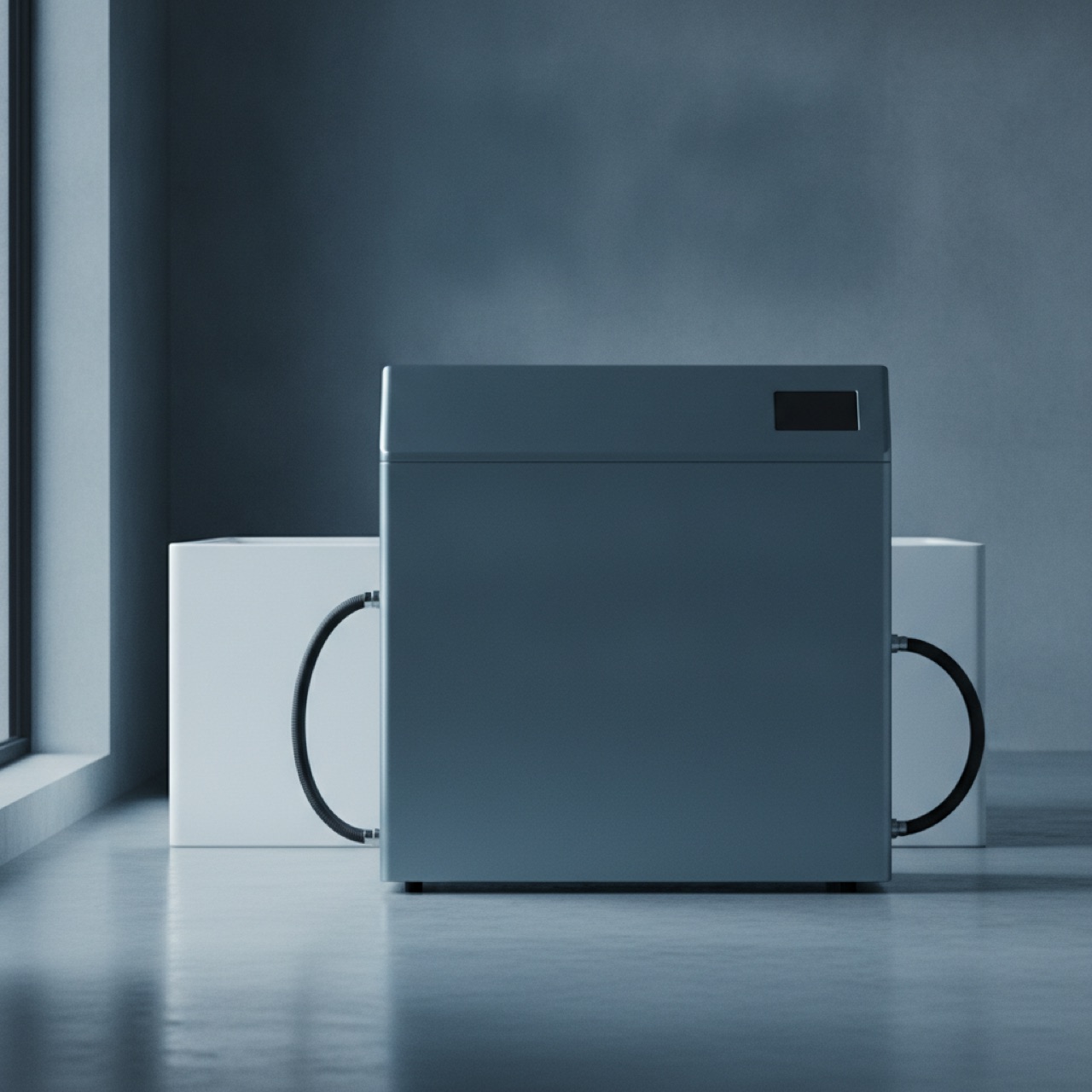
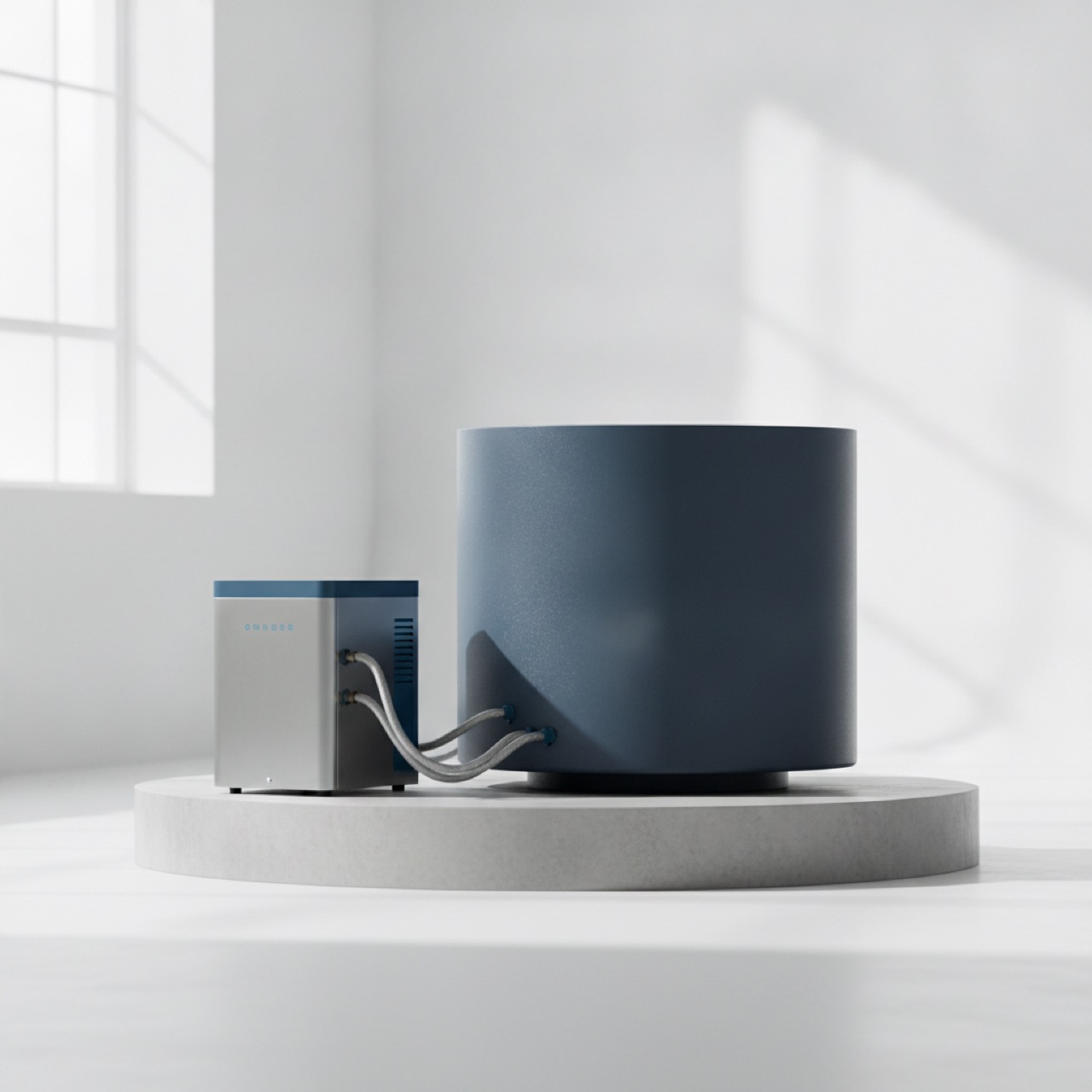
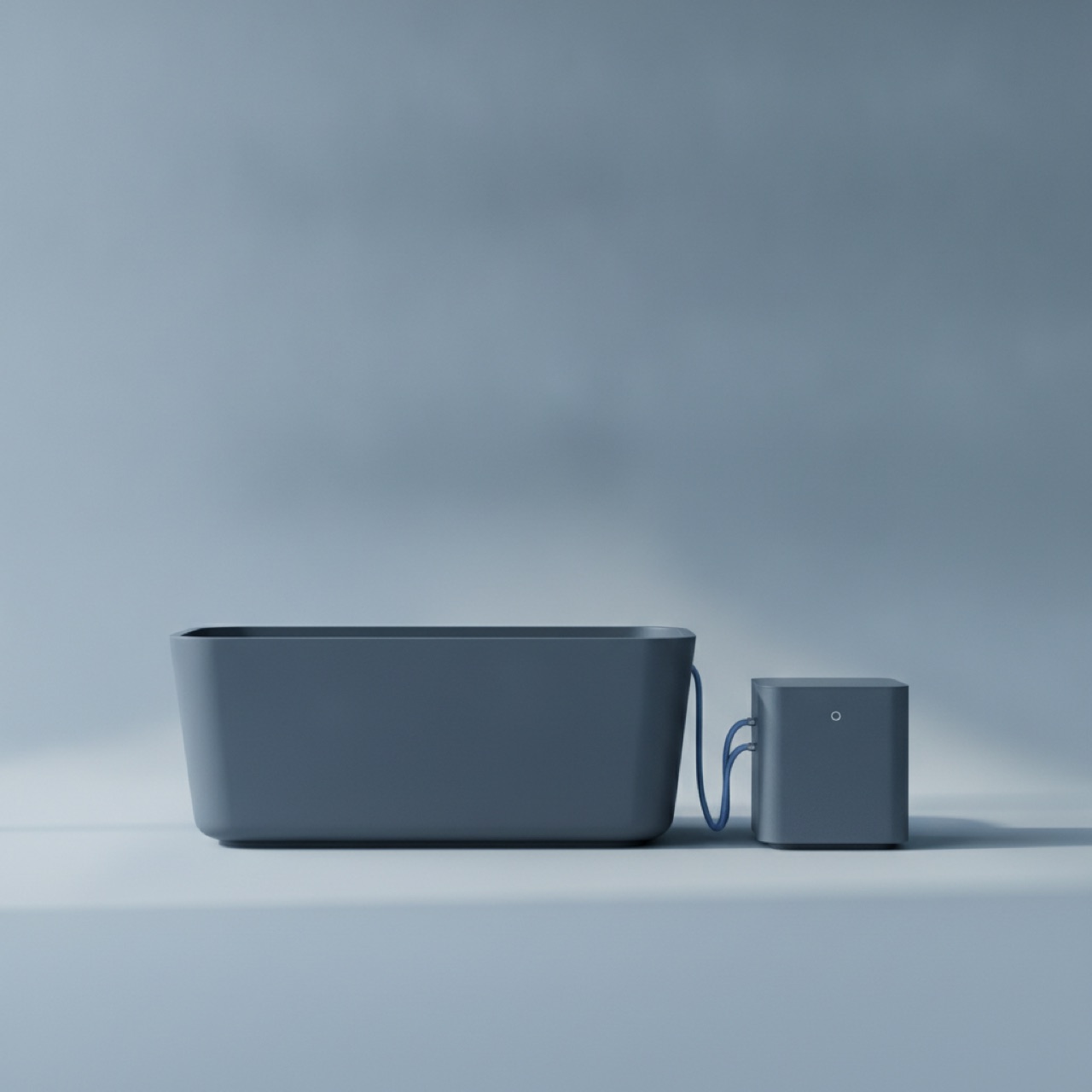
The external chiller unit is the more permanent-looking component - a compact box (approximately the size of a large air conditioning unit) that connects to the tub via insulated hoses. The chiller houses the cooling compressor, heating element, pump, and filtration system. It is designed to sit adjacent to the tub but can be positioned up to several feet away, which allows placing it around a corner or in an adjacent space to reduce noise in the plunge area.
The inflatable tub's interior is approximately 63 inches long - adequate for most users but noticeably narrower than horizontal hardshell units like the Plunge All-In's 31.5 inch exterior width. Users over 6'2" will find the legroom functional but not generous. The upright position is not as reclined as a hardshell tub, but the depth is sufficient for chest-deep immersion.
Performance: temperature, speed, and noise
The Hydro reaches 37F in controlled indoor conditions. In our testing in the 8C ambient room, the Hydro Elite reliably hit 37-38F. In the unheated garage at 20C ambient summer temperatures, we saw minimum temperatures of 39-41F, which is consistent with the chiller's performance curve at higher ambient loads. This is expected behavior for a 1HP chiller - not a defect.
Cooling speed from 68F tap water to 45F took approximately 3-5 hours in our controlled environment. Reaching 37-39F from 68F took 7-9 hours. This is comparable to the Plunge All-In (which claims 31% faster cooling than its previous generation) and slightly slower than dedicated high-horsepower chillers. For a unit with a 1HP chiller at this price, the chill speed is competitive.
The heating function is a genuine differentiator. Getting from 37F to 100F takes several hours, but the ability to alternate between cold and warm in a single unit for contrast therapy sessions is a compelling use case. We tested contrast protocols at 39F cold for 3 minutes followed by 100F warm for 10 minutes - the unit handled this cycling without issue.
Noise is the main functional limitation. The external chiller operates at approximately 52-58 dB at 1 meter during active cooling - audible from an adjacent room and noticeable in a quiet space. The advantage of the external design is that you can position the noisy component away from where you sit or stand during the session. If your setup allows the chiller to be in a separate space, noise is a non-issue for the plunge experience itself.
Setup and installation
Setup from unboxing to first plunge takes approximately 20-30 minutes. The inflation process uses an included pump and takes 5-10 minutes. Hose connections between the tub and chiller are standardized quick-connect fittings - no tools required. Fill with a garden hose, plug into a standard 110V outlet, power on the chiller, and set your target temperature.
Because the unit is inflatable, floor load is a non-issue - the weight is distributed over a large area, and the unit itself (without water) is light enough to be moved by one person. This is a meaningful advantage over hardshell units requiring freight delivery and careful floor planning.
The chiller has a control panel with temperature display and adjustment. There is no app control on the base Hydro. The Hydro Elite adds enhanced controls but still lacks smartphone connectivity as of our testing period. If app-based scheduling and remote monitoring are important to your workflow, this is a genuine gap versus units like the Plunge All-In.
Running costs and maintenance
The 1HP chiller is efficient for its output. In moderate climate conditions (ambient 15-20C, target 39F), we measured approximately 1.8-2.4 kWh per day during steady-state holding. At the US average of $0.16/kWh, this runs to approximately $9-$12 per month in electricity for continuous operation - meaningfully lower than the larger 1.5HP chillers in premium units.
The ozone sanitation system eliminates the need for chemical treatments for routine water maintenance. Filter replacement intervals depend on use frequency and water quality; Edge Theory Labs recommends replacement every 3-4 months for daily use. Replacement filters are approximately $20-$35.
Water changes are recommended every 4-8 weeks. The drain hose connects to any standard garden hose fitting. The lightweight tub can also be tilted to drain faster once mostly empty - something impossible with heavy hardshell units.
How it compares
vs. the Plunge All-In ($8,990): The All-In wins on aesthetics, integrated design, app control, and a quieter chiller experience. The Edge Theory Labs Hydro Elite wins on price (by $4,000), portability, hot-tub functionality, and the ability to move the chiller independently of the tub. Both reach 37F. If permanence and a polished look matter, choose the All-In. If you want flexibility and better value, choose the Hydro Elite.
vs. the Ice Barrel 400 ($1,199): Very different products. The Ice Barrel is a stationary barrel with no chiller - you use ice. The Edge Theory Labs adds a chiller, dual temperature range, and ongoing maintenance-free cold (no ice runs, no temperature variability). At $3,495 vs $1,199, you are paying for consistency and convenience. The Ice Barrel wins for budget-constrained buyers; the Hydro wins for anyone who wants consistent daily cold without managing ice.
Is the Edge Theory Labs cold plunge worth it?
Yes, for the right buyer. The Edge Theory Labs Hydro is the best value-for-performance case in the chiller-paired cold plunge market. At $3,495-$4,995, it reaches the same minimum temperature as units costing twice as much, adds hot tub capability, and can be packed and moved - something no hardshell unit can offer.
The build is not as premium as a polished hardshell. The external chiller is audible. There is no app control. These are real trade-offs. But if your priorities are cold plunge performance, temperature flexibility, and the ability to keep your options open as a renter or someone who may move, the Hydro Elite at $4,995 is a genuinely strong choice.
If permanent installation, integrated aesthetics, and app control are non-negotiable, the Plunge All-In at $8,990 is the better fit - at a significant price premium. The Edge Theory Labs Hydro is the smart choice for everyone else who wants a chiller-capable setup without committing $9,000 to a fixed installation.
142 days in real cold
Every unit ran in a controlled 8°C ambient room and an unheated garage in Trondheim. We logged temperature stability, recovery rate, noise, and energy draw on calibrated probes.