ColdPlungespot
Start here →
Buying GuideBathtub

Cold Plunge Chiller for Bathtub: Best Options and How to Install

You do not need to buy a separate cold plunge tub to get a chiller-cooled cold plunge. Your existing bathtub works. This guide covers four options from the purpose-built HomePlunge H3 (no plumbing required, $2,599) to a DIY chiller build ($750-900), plus what you need to know about bathtub-specific limitations.

DR
Reviewed by
Dr. Renée Halvorsen, PhD
Exercise physiologist. 11 years researching cold-water immersion at NTNU. Author of The Cold Protocol (Penguin, 2024).
Verified Expert38 articles
May 17, 2026  ·  10 min read
ColdPlungeSpot is reader-supported. We may earn a commission from affiliate links at no extra cost to you.
Quick Answer

Best turnkey: HomePlunge H3 ($2,599) - reaches 34°F in 90 minutes, no new plumbing. Budget: Pod Company Universal Chiller ($599) - plug-and-play, 41°F. DIY: Active Aqua 1/4 HP + overflow drain fitting (~$750) - reaches 34-40°F, 4-8 hour initial cooldown.

Two approaches: purpose-built vs DIY

The main decision is whether to buy a purpose-built bathtub cold plunge unit (HomePlunge, Pod Company) or build a DIY system using an aquarium chiller and overflow drain fittings. The performance ceiling is the same. The differences are speed of initial cooldown, ease of installation, and cost.

Purpose-built
Price: $599-$2,599
Installation: minimal to none
Cooldown: 90 minutes (H3) to 6-10 hours (Pod Company)
Best for: convenience, no DIY, faster setup
DIY
Price: $750-900
Installation: basic plumbing (overflow drain)
Cooldown: 4-8 hours initial; maintain overnight
Best for: cost savings, same final temperature

Our options

Best pickTurnkey
$2,599

HomePlunge H3

34°F min  ·  ~90 min cooldown  ·  No plumbing - suction cup attachment

The HomePlunge H3 is the best purpose-built bathtub cold plunge unit available. Its CES award recognition confirms genuine innovation in the category. For users who want a no-plumbing, high-performance option for their existing bathtub without a DIY build, this is the correct choice. The $2,599 price is justified by the speed (34°F in 90 minutes), the quality of the filtration system, and the fact that no installation expertise is required.

Pros
CES Innovation Award winner 2025 + TIME Best Inventions 2025
Reaches 34°F in ~90 minutes - faster than most DIY setups
No new plumbing - attaches to existing bathtub via overflow drain
Includes filtration and ozone sanitation
4.98 star average rating at time of writing
Cons
Higher cost than DIY equivalent ($2,599 vs ~$750-900 DIY)
Requires your bathtub to remain full between sessions (or refill each time)
Suction cup attachment limits compatible tub styles
Check price →
Turnkey - Compact
$1,999

HomePlunge Bella

36-38°F min  ·  ~110 min cooldown  ·  No plumbing - compact form factor

The Bella is the right choice if the H3 price is prohibitive or your bathroom space is limited. Performance is 90% of the H3 at roughly 75% of the price. If you have a small bathroom or are targeting sub-40°F rather than sub-35°F, the Bella is the better value.

Pros
Lower price than H3 ($600 less)
Compact design for smaller bathrooms and tighter spaces
1/2 HP chiller - sufficient for standard bathtub volumes
Same no-plumbing attachment system as H3
Cons
Slightly higher minimum temperature than H3
Longer cooldown time than H3 (~110 vs ~90 minutes)
Compact size means some bathtub configurations are not compatible
Check price →
DIY Build
~$750-900

DIY Active Aqua 1/4 HP + Bathtub Adapter

34-40°F min  ·  4-8 hrs initial cooldown  ·  Basic plumbing (overflow drain fitting)

The DIY approach costs $750-900 versus $2,599 for the HomePlunge H3. The primary trade-offs are cooldown speed (4-8 hours vs 90 minutes) and installation effort. If you are comfortable with basic plumbing and do not mind pre-chilling overnight, the DIY build achieves the same final temperature for 65% less. The key advantage of the HomePlunge is convenience and speed - not superior refrigeration technology.

Pros
Most affordable path to a chiller-cooled bathtub cold plunge
Same chiller hardware as major brands at OEM cost
Titanium evaporator handles skin oils and minerals
Achieves same final temperature as HomePlunge H3 (34-40°F)
Cons
Initial cooldown 4-8 hours (vs 90 min for HomePlunge)
Requires basic plumbing work (overflow drain fitting installation)
No integrated filtration - need separate filter housing
Less polished appearance than purpose-built units
Check price →
Universal Chiller
$599

Pod Company Standard + Bathtub

41°F min  ·  6-10 hrs initial cooldown  ·  Universal fitting - connects to any tub

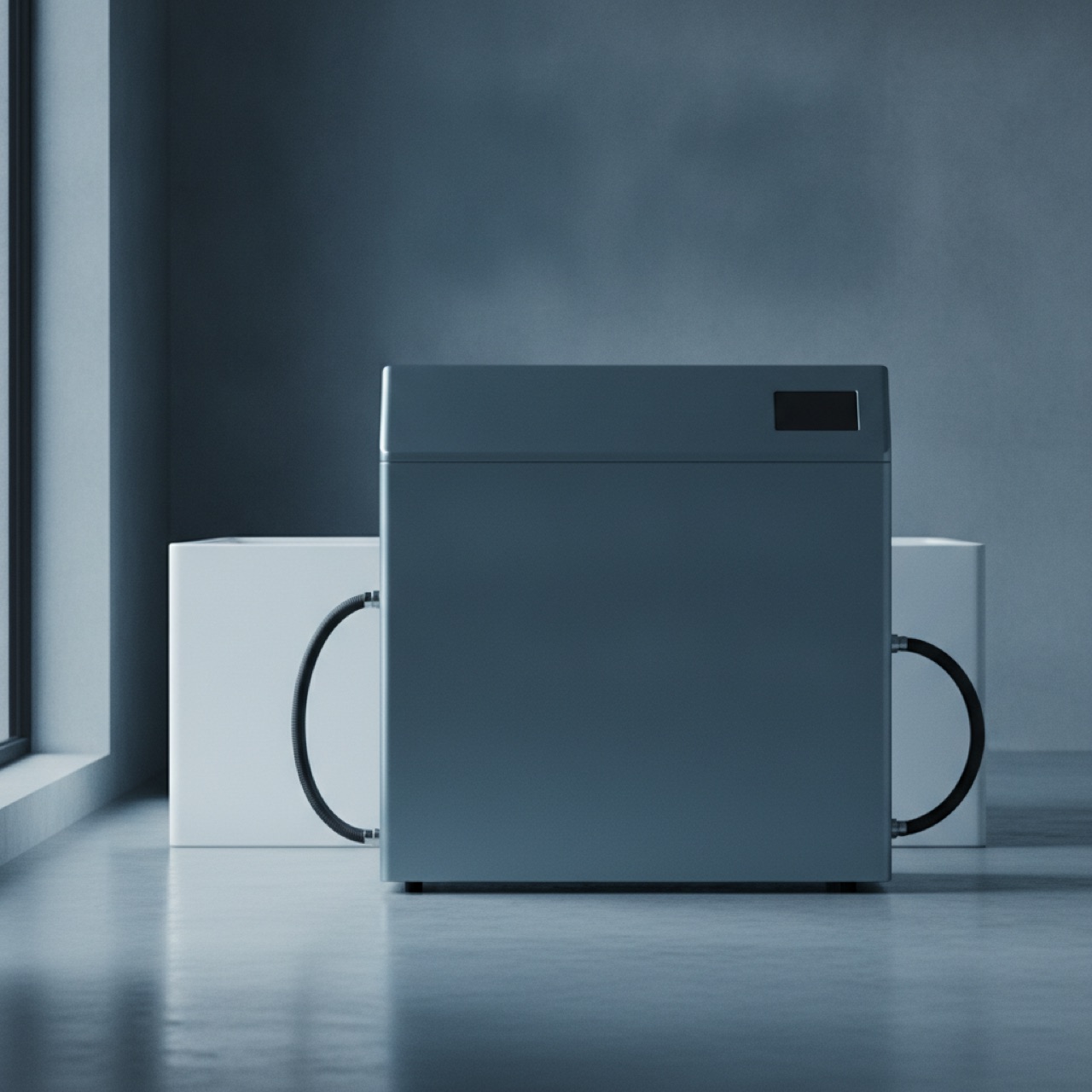
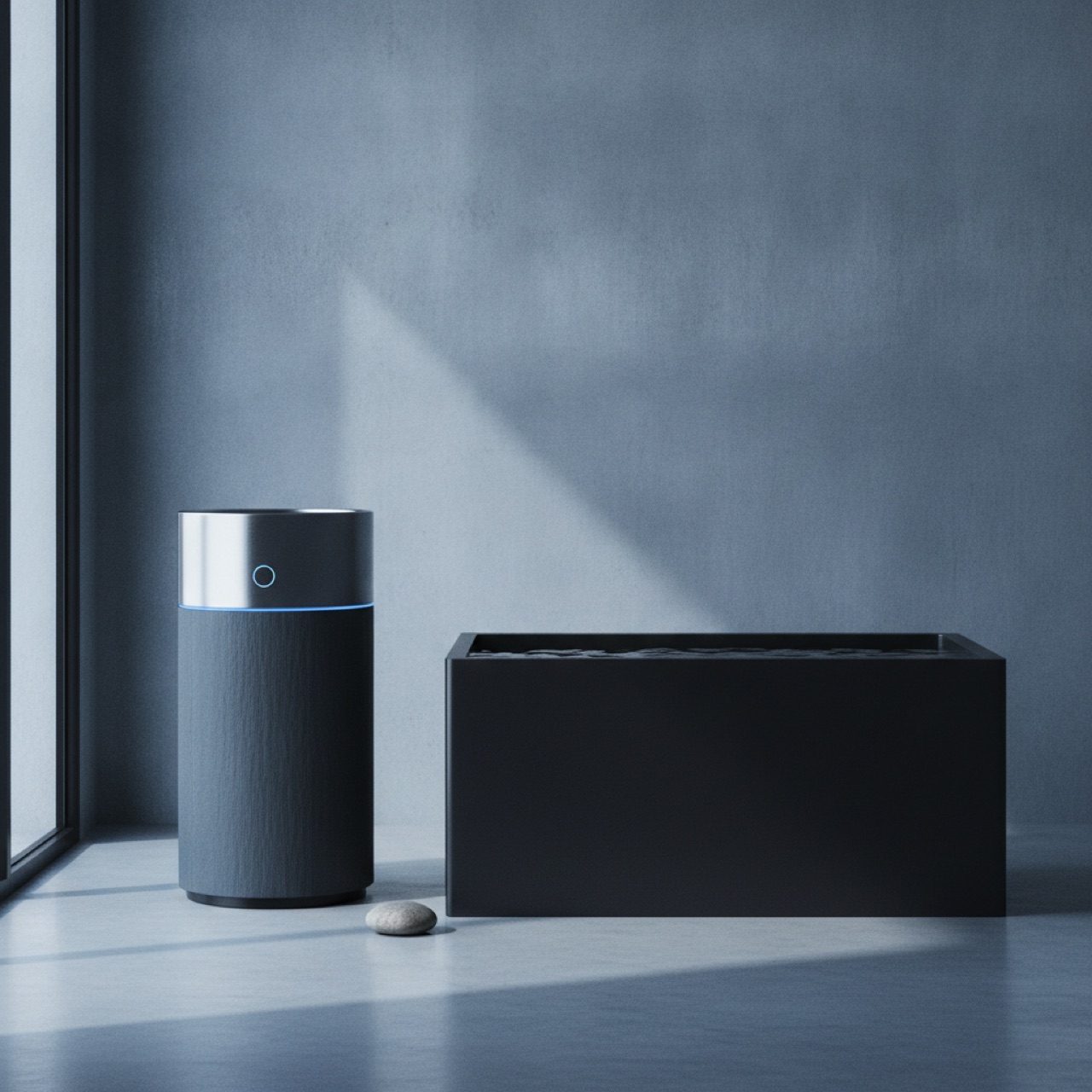
The Pod Company Standard at $599 is the most affordable turnkey option for bathtub cold plunge use. The 41°F floor is adequate for most cold plunge protocols (most research uses 50-59°F; the 41°F floor covers the common 45-55°F range comfortably). The 39-45 dB noise level is genuinely suitable for indoor bathroom use. Good option if you want something ready to plug in without any installation.
Pros
Plug-and-play with integrated pump and 20-micron filter
Universal fitting explicitly marketed for bathtub compatibility
39-45 dB - quiet enough for indoor bathroom use
Pod Company explicitly states bathtub compatibility
Cons
41°F minimum - not for protocols requiring sub-40°F
Long initial cooldown (uninsulated bathtub loses heat quickly)
Running cost higher than insulated tub setup (more continuous cycling)
Check price →

Bathtub limitations you should know about

No insulation
Ceramic and porcelain bathtubs lose heat faster than a purpose-built insulated tub. Your chiller will run more frequently in maintenance mode, costing more in electricity and wear. Insulating a bathtub externally (foam panels, insulated blanket) can improve this significantly.
Shared household use
A bathtub dedicated to cold plunge use makes more sense for single-person households or dedicated bathrooms. Shared bathrooms create friction: the tub needs to be emptied/refilled frequently, or kept cold and covered between sessions.
Drain rate
Most bathtub drains flow at 3-6 gallons per minute. If your chiller setup requires draining between sessions, that is 8-20 minutes for a 60-gallon tub. Factor this into your workflow.
Overflow fitting compatibility
DIY builds require replacing the overflow drain plate with a dual-port fitting. Most standard American bathtubs have 1.5" or 2" overflow drain openings. Some clawfoot, jacuzzi, or custom bathtubs have non-standard fittings - verify your overflow drain size before buying hardware.

Frequently asked questions

Can you use a cold plunge chiller with a regular bathtub?+
Yes. Purpose-built: HomePlunge H3 ($2,599) or Bella ($1,999) - no new plumbing, attaches via overflow drain. DIY: Active Aqua chiller + mag-drive pump + overflow drain fitting for $750-900. Pod Company Universal Chiller ($599) also works with explicit bathtub compatibility. Standard bathtubs hold 40-80 gallons - within range of 1/4-1/3 HP chillers.
What is the HomePlunge and does it work?+
The HomePlunge H3 ($2,599) connects to your existing bathtub via suction cups and an overflow drain fitting - no new plumbing. CES Innovation Award and TIME Best Inventions 2025 winner. Cools to 34°F in ~90 minutes. 4.98 star average rating. The Bella ($1,999) is the compact version for smaller bathrooms.
How much water does a bathtub hold for cold plunge?+
A standard American bathtub holds 40-80 gallons. For cold plunge use (water covering shoulders when seated), typically 40-60 gallons. This volume is ideal for 1/4-1/3 HP chillers.
What are the disadvantages of a bathtub cold plunge?+
Bathtubs are uninsulated - ceramic and porcelain lose heat quickly, requiring more continuous chiller operation. Bathtubs cannot be dedicated exclusively to cold plunge if shared by a household. A purpose-built insulated tub is the better long-term solution; a bathtub chiller is the right entry point when you want to start without a separate tub purchase.
How do I connect a chiller to my bathtub without a plumber?+
The HomePlunge connects without new plumbing using an overflow drain adapter and suction cups. For a DIY approach, the bathtub overflow plate (the round cover on the tub wall below the faucet) can be replaced with a dual-port overflow fitting: one port for water out to the pump/chiller, one port for return. Most bathtub overflows use a standard 1.5" or 2" diameter - fit a barbed fitting for your chiller hose. The job takes 30-60 minutes with basic tools.

Related guides

All guides →