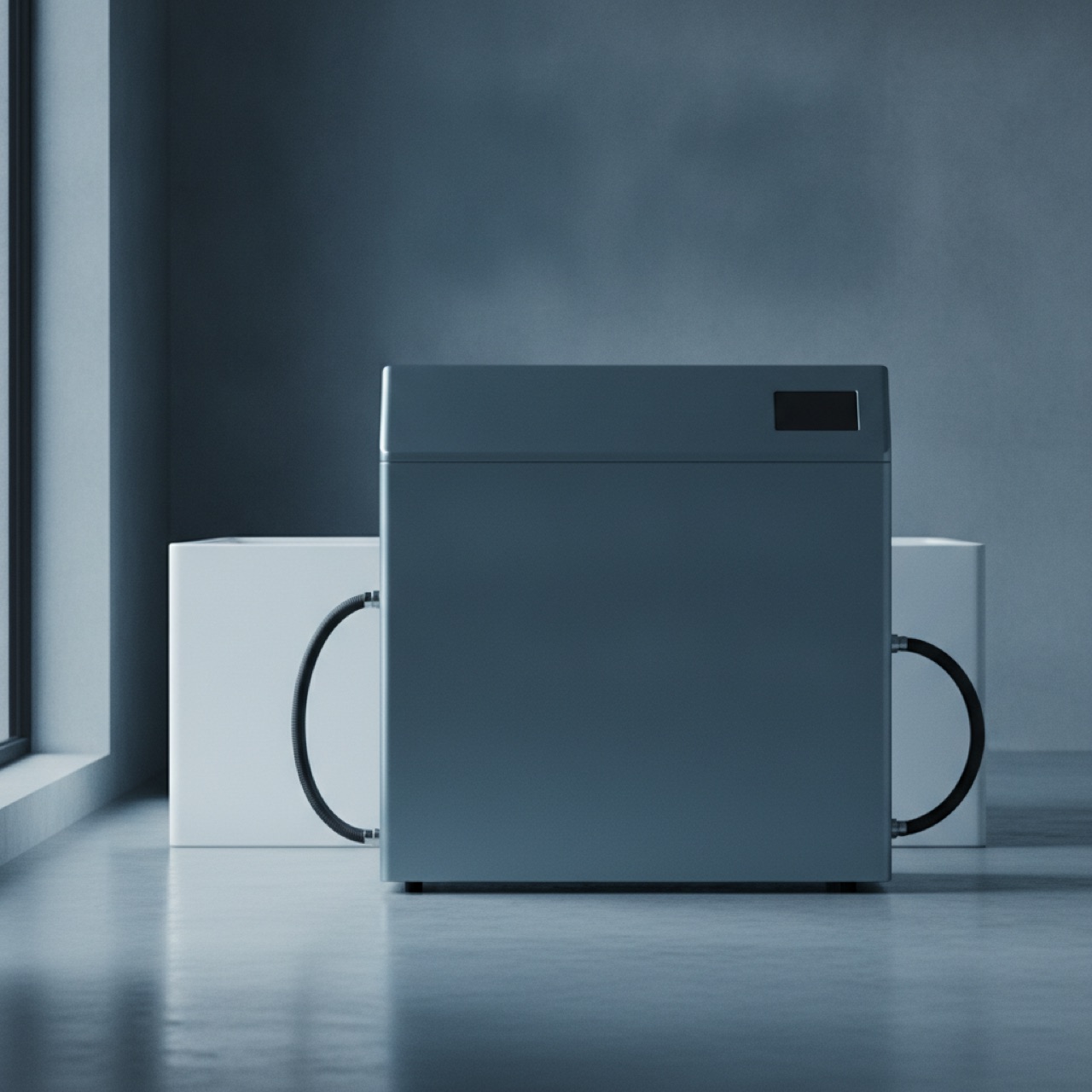
Plunge vs Ice Barrel:
a chiller you plug in, or a barrel you fill with ice.
These are the two most-searched cold plunge brands, and they barely compete on the same terms. Plunge is a purpose-built, horizontal chilled tub with an integrated chiller, ozone filtration and app control that holds a set temperature near 37-39F without any ice, priced roughly $5,000 to $8,990 depending on model as configured in 2026. Ice Barrel is an upright, recycled-plastic barrel with no chiller at about $1,299, where you supply the cold with ice. Plunge sells convenience and consistency; Ice Barrel sells simplicity, durability and a much lower price.
Price and what you actually get
The price gap is the first thing anyone notices, and it is real, but the raw numbers hide what each dollar buys. Ice Barrel sells a single product category: an insulated barrel you sit in. The Ice Barrel 400 lists at about $1,299 as configured in 2026, and the shorter Ice Barrel 300 comes in a little below that. There is no motor, no pump and no electronics in the price. What you pay for is a well-made recycled-plastic vessel and its insulation.
Plunge sells a system. Prices across its lineup run roughly $5,000 at the lower end up to about $8,990 for the flagship All-In, which regularly goes on sale near $7,490. That price includes an integrated chiller (up to 1.5HP on the All-In), ozone sanitation, filtration that cycles the full water volume every 15 minutes, and app-based temperature control and scheduling. In other words, most of the Plunge price is the machinery that keeps the water cold and clean for you. The Ice Barrel has none of that machinery, which is exactly why it is a quarter of the cost.
So the honest framing is not "Plunge is overpriced" or "Ice Barrel is cheap." It is that you are choosing whether to pay for a chiller. Prices change, so treat these as 2026 snapshots and confirm current numbers before buying. For a deeper look at either product on its own, see our Plunge All-In review and our Ice Barrel review.
Side-by-side comparison
| Factor | Plunge (chilled tub) | Ice Barrel (300 / 400) |
|---|---|---|
| Price (2026) | Approx. $5,000-$8,990 by configuration; All-In often on sale near $7,490 | Ice Barrel 400 approx. $1,299; Ice Barrel 300 slightly less |
| Chiller included | Yes, integrated (up to 1.5HP on the All-In) | No, you add ice each session |
| Temperature control | Set-and-hold; cools to about 37F, app-controlled | Ice-dependent; no thermostat, varies with ice load |
| Format | Horizontal, lie-back and extend legs | Upright, seated knees-up on interior seat |
| Footprint | Large; roughly 76.75" long on the All-In | Compact; about 31" wide, 42" tall (400) |
| Capacity | About 100 gallons (All-In) | 105 gal (400) / 77 gal (300) |
| Material | Proprietary composite shell | Recycled BPA-free LLDPE, foam-insulated |
| Filtration / sanitation | Ozone plus filtration, cycles full volume every 15 min | None; drain, refill and keep water clean manually |
| Maintenance | Filter changes, water changes, electricity | Buy or make ice, drain and refill, wipe down |
| Warranty | 12 months standard (All-In) | Limited lifetime on material defects |
| Best for | Plug-and-play daily use, verified temps | Budget entry, durability, ice-tolerant users |
Specs reflect the Plunge All-In and Ice Barrel 300/400 as listed by each brand in 2026. Prices and configurations change; verify before purchase.
Chiller vs ice: the real difference
Everything else follows from one design decision: whether the tub cools its own water. The Plunge does. Its chiller pulls the water down to a target you set, often around 39F for regular users and as low as 37F, then holds it there and cycles it through ozone sanitation and filtration. You walk up, check the temperature on the app, and get in. There is no preparation and no per-session cost beyond electricity, which for a residential chiller in a moderate climate typically runs in the range of $15 to $35 a month.
The Ice Barrel does not cool anything. It is an insulated vessel, and the cold comes entirely from ice you add. The insulation is genuinely useful here: it slows the warming so a cold fill lasts longer between sessions, which reduces how much ice you burn through. But you are still responsible for the temperature. A bag or two of ice per session gets most people into the 45-55F range, and hitting a hard number like 39F reliably is difficult without a lot of ice or a dedicated ice maker. If you value a verified, repeatable temperature, that is the single strongest argument for Plunge.
There is a middle path worth knowing about. Because the Ice Barrel is just a vessel, you can pair it with a separate aftermarket chiller and skip the ice entirely. That combination often costs less than a fully integrated Plunge and gives similar set-and-hold convenience, with the tradeoff of a separate chiller box and hoses next to the barrel. If you are weighing that route, our best cold plunge chiller guide covers which units suit a barrel. Plunge also sells its chiller separately if you want its hardware on another tub, which we cover in the Plunge Pro Chiller review.
Design, size and ergonomics
The two brands also sit differently, literally. The Ice Barrel is upright. You step in and settle onto an interior seat with your knees drawn up, submerged to roughly chest or shoulder height. The upside is a small footprint: the barrel is about 31 inches wide, and the 400 stands around 42 inches tall while the 300 is shorter at about 30.5 inches for easier entry without a step. That compactness lets it fit corners, balconies and small rooms where a full-length tub never would.
The tradeoff is posture. Some people find the folded, upright position less comfortable, especially those with knee or hip stiffness, and you cannot stretch your legs. Plunge tubs are horizontal. On the All-In you lie back in about 100 gallons across a footprint near 76.75 inches long, extend your legs, and recline. It is a more relaxed soak, but it demands far more floor space and a planned, semi-permanent location. The barrel you can wrestle into a corner; the Plunge you place once and leave.
Capacity tracks the format. The Ice Barrel 400 holds about 105 gallons and fits users up to roughly 6 feet 6 inches and 300 pounds; the 300 holds about 77 gallons for a more compact fit. The Plunge All-In holds about 100 gallons and is rated for users up to 6 feet 9 inches. Both accommodate large adults; they just ask you to occupy the water in opposite orientations.
Maintenance, durability and warranty
Here the simplicity of the Ice Barrel becomes a real strength. It is made in Ohio from recycled materials, specifically a non-toxic, BPA-free, medical-grade linear low-density polyethylene, and insulated with polyurethane foam. There is no chiller, pump or circuit board to fail. Maintenance is manual and low-tech: keep the water clean, drain and refill periodically, and wipe it down. Ice Barrel backs it with a limited lifetime warranty against material defects such as broken valves, though that warranty specifically excludes cosmetic wear like fading, scratches and dents. With almost nothing mechanical to break, a barrel can plausibly outlast several generations of chiller.
The Plunge asks more of you but does more for you. Filtration and ozone sanitation keep the water clear so you are not draining and refilling constantly, but the filter cartridge needs replacing every three to six months, water changes are recommended every one to three months, and the chiller draws electricity continuously. The warranty is also a weaker point: the All-In ships with a 12-month standard warranty on the chiller and components, shorter than some competitors at that price and far shorter than the Ice Barrel's limited lifetime coverage on the shell. A chiller is a machine, and machines carry more failure surface than a molded barrel.
The net: Ice Barrel shifts the work to each session (sourcing ice) but almost eliminates long-term mechanical risk. Plunge front-loads the convenience but introduces filters, electricity and a chiller that can eventually need service. Which pattern you prefer says a lot about which unit is right for you.
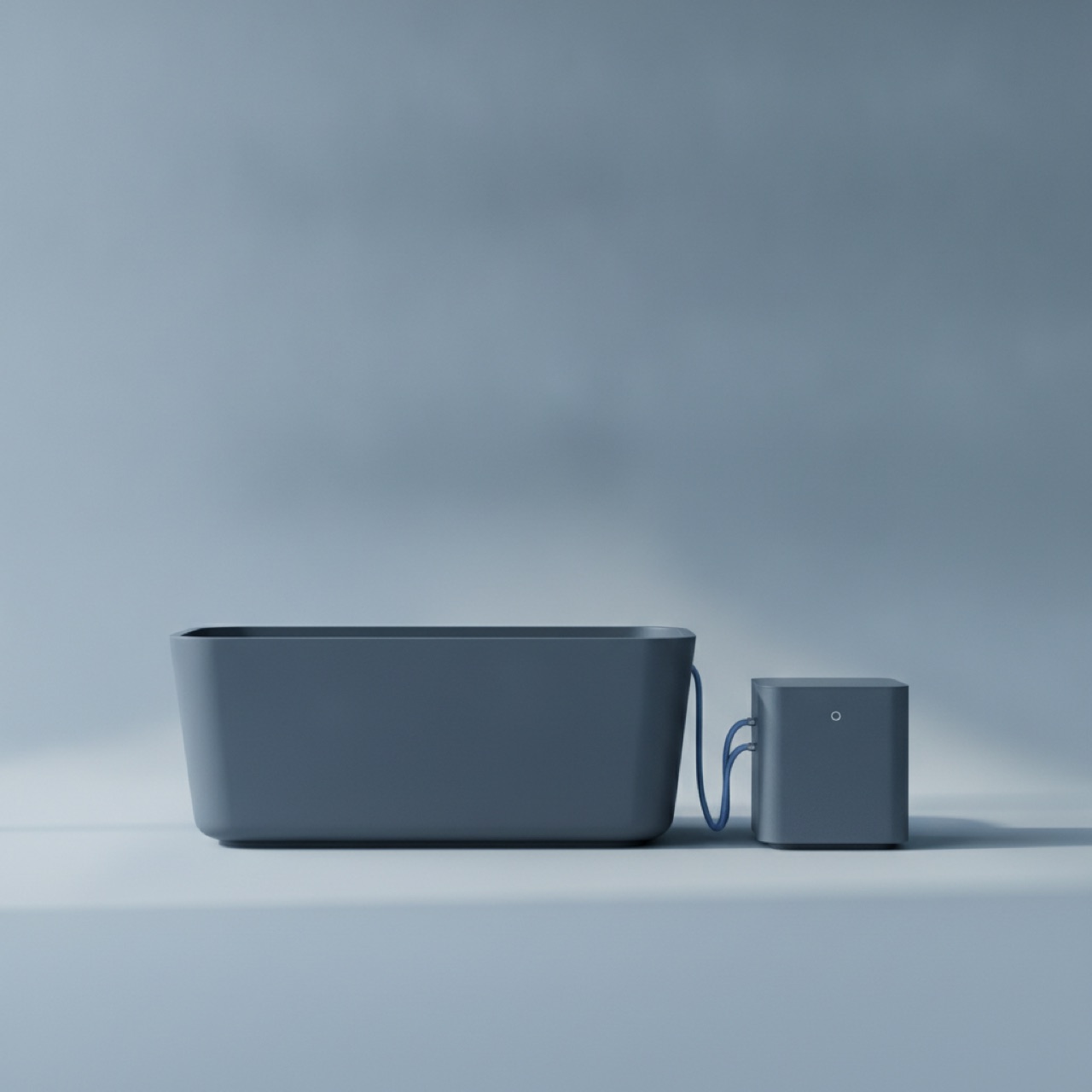
Integrated chiller, ozone filtration, app control. Set-and-hold cold with no ice.
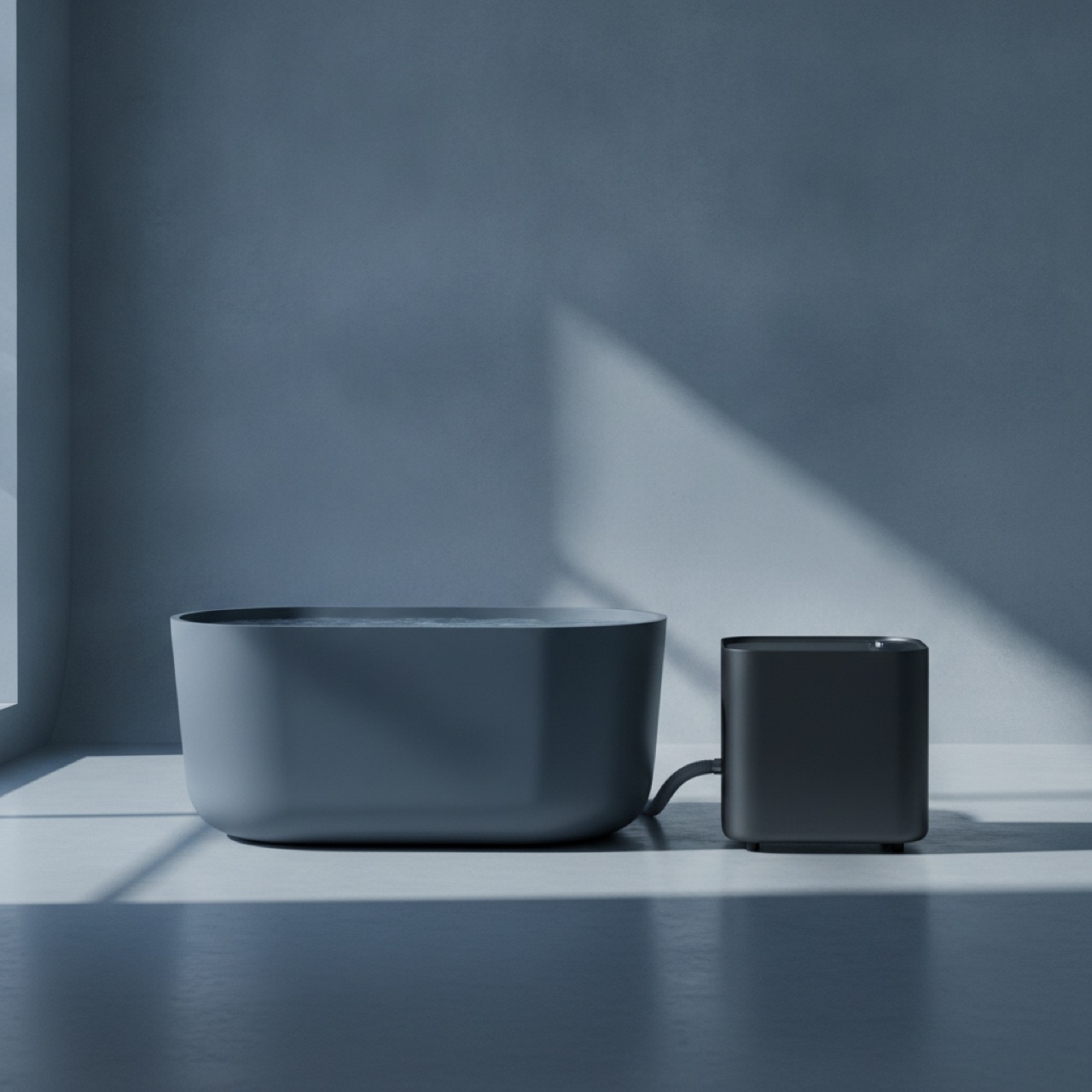
Recycled, insulated, motorless. Lifetime shell warranty; you add the ice.
Who should buy which
In plain terms: buy the Ice Barrel if you want the cheapest durable way into cold water therapy, you have limited space, and you genuinely do not mind handling ice, or you plan to add a chiller later. Buy a Plunge if you plunge often, you want a verified temperature with no per-session work, and you can absorb a several-thousand-dollar purchase for that convenience. Most beginners are well served starting with the barrel and ice to confirm the habit sticks; committed daily plungers tend to gravitate to a chilled tub. If you want to compare Plunge's own range first, our Plunge Evolve Series review and the full cold plunge tubs buyer's guide are the natural next reads.