Cold Plunge for Hangover: What It Actually Does (and Doesn't Do)
A cold plunge will not cure your hangover. No intervention will - the liver processes acetaldehyde at a fixed enzymatic rate no matter what you do. What a cold plunge does is address specific symptoms: it elevates norepinephrine, reduces post-immersion cortisol, and restores alertness. This article explains exactly which hangover mechanisms cold water helps with, and which it cannot touch.
Cold plunge elevates norepinephrine (~22% documented), reduces post-immersion cortisol (~47% at 3 hours), and restores alertness - directly addressing the fog, lethargy, and anxiety symptoms of a hangover.
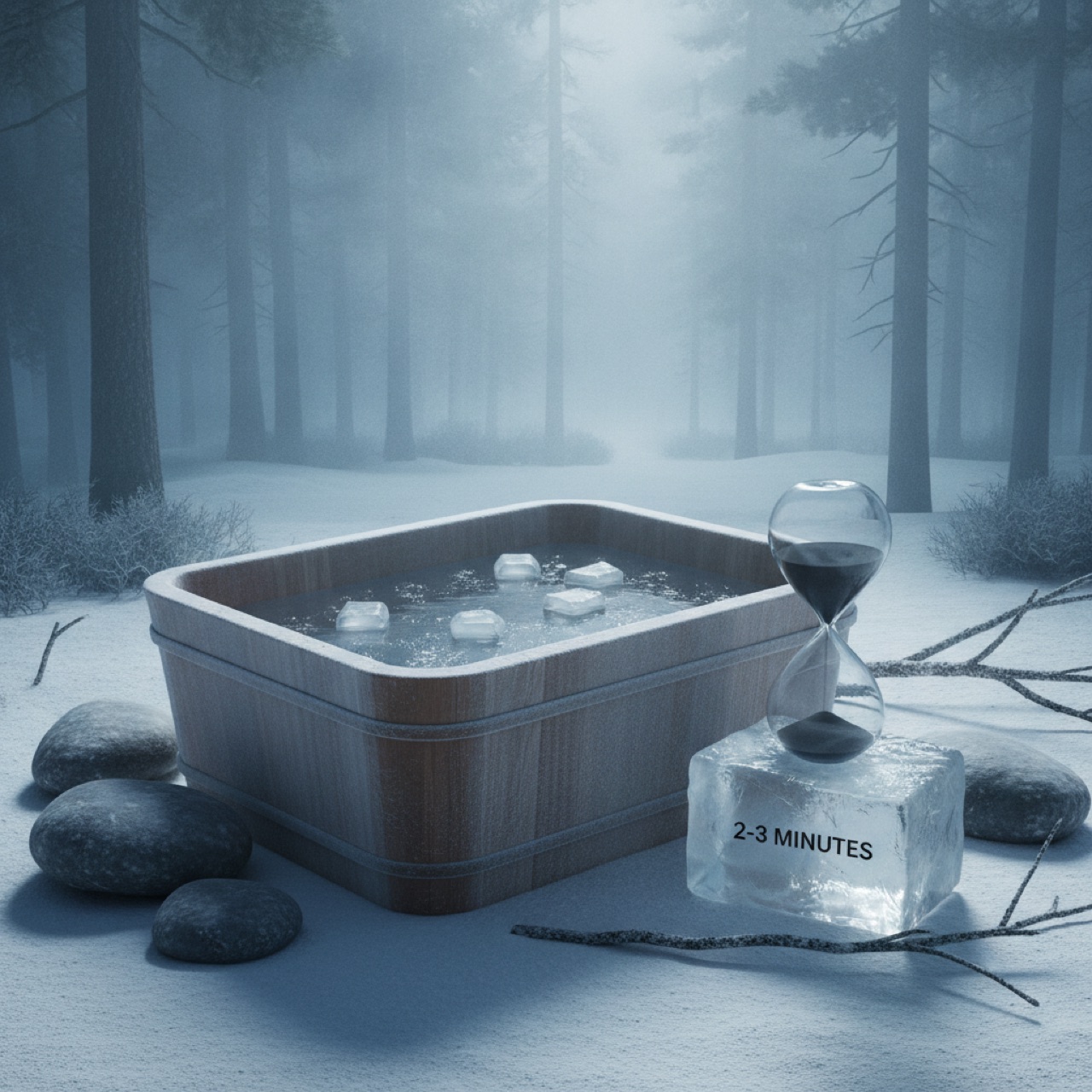
It cannot accelerate acetaldehyde clearance, rehydrate you, restore blood sugar, or fix sleep architecture already disrupted. There are zero RCTs on cold water immersion specifically for hangover recovery. Protocol: 39-55°F, 2-3 minutes, drink water first.
The 6 mechanisms of a hangover
A hangover is not one thing. It is six distinct physiological processes running simultaneously. Cold plunging helps with some of them and cannot affect others.
Alcohol converts to acetaldehyde via the ADH enzyme - a compound 30x more toxic than ethanol. The liver clears it at a fixed rate of roughly one drink per hour. This drives nausea, flushing, and headache.
Cold water cannot accelerate this enzymatic process.
Alcohol triggers release of pro-inflammatory cytokines (IL-1β, IL-6, TNF-α). These cause the flu-like body aches and general malaise.
Cold immersion triggers anti-inflammatory mediators. The Wim Hof Protocol data showed anti-inflammatory markers +200%, pro-inflammatory -50%.
Alcohol suppresses antidiuretic hormone (vasopressin). For every gram of alcohol, approximately 10mL of excess urine is produced. Four drinks can cause 600-1,000mL of fluid loss.
You do not absorb water through skin. Only oral hydration helps here.
Alcohol suppresses gluconeogenesis - the liver's glucose production. This causes hypoglycemia, contributing to shakiness, fatigue, and cognitive fog.
Food intake is required to restore blood sugar. Cold plunging does not affect hepatic glucose production.
Alcohol depresses glutamine production. When alcohol clears, the body overproduces glutamine, causing restlessness, fragmented sleep, and anxiety - the classic 3am wake-up effect.
The norepinephrine and dopamine response from cold plunging directly counters the anxiety and restlessness of glutamine rebound.
Alcohol blunts catecholamine signaling. The dull lethargy and cognitive fog of a hangover are partly driven by reduced norepinephrine activity.
This is the primary mechanism where cold plunging directly helps. PMC4861178: 10-minute, 10°C immersion → approximately 22% increase in plasma noradrenaline above baseline.
What cold plunge actually helps - graded by evidence
PMC4861178: 10-min, 10°C immersion → ~22% plasma noradrenaline increase above baseline. Directly counters the lethargy and cognitive fog. This is the primary mechanism behind feeling more alert after a hangover cold plunge.
PMC10842018: 15-min, 10°C immersion → 47% cortisol reduction at 3 hours post-immersion. Hangovers are often accompanied by anxiety and psychological stress. Cold plunging reduces cortisol after the initial spike, counteracting this.
Srámek 2000 (N=10, 1-hour immersion): ~250% plasma dopamine increase. Note: very small sample, much longer duration than a typical plunge. The effect at 2-3 minutes is likely smaller but present. Contributes to mood improvement.
Wim Hof Protocol data: anti-inflammatory mediators +200%, pro-inflammatory mediators -50%. The cytokine cascade from alcohol causes the flu-like symptoms of a hangover. Cold immersion may help modulate this.
ADH and ALDH2 enzyme rates are fixed biochemical processes not accelerated by cold water. If you still feel sick 4 hours after drinking, the acetaldehyde is still present. A cold plunge will not change this.
You do not absorb water through skin in any clinically meaningful way. The dehydration from alcohol suppressing vasopressin requires oral fluid intake to correct.
Alcohol-suppressed gluconeogenesis requires food intake to correct. A cold plunge does nothing for hepatic glucose production.
The acetaldehyde problem: why cold water can't fix the core issue
Acetaldehyde is the primary driver of the worst hangover symptoms - nausea, vomiting, headache, flushing, and malaise. It is a metabolic intermediate: ethanol is converted to acetaldehyde by alcohol dehydrogenase (ADH), then acetaldehyde is converted to acetate by aldehyde dehydrogenase (ALDH2). Acetaldehyde is approximately 30 times more toxic than ethanol itself.
The liver processes roughly one standard drink per hour through this pathway. The rate is set by enzyme concentration - not by temperature, blood flow, exercise, coffee, or any other external intervention. When you drink faster than one drink per hour, acetaldehyde accumulates. The only way to clear it is time.
This matters because the symptom relief from a cold plunge is real - but it is not a sign that the underlying biochemistry has resolved. If you feel better after a 3-minute plunge, the acetaldehyde is still present in your system. You are experiencing the norepinephrine and alertness effect, not clearance.
The cortisol effect: why cold plunging reduces hangover anxiety
Most wellness content about cold plunging describes it as a cortisol-spiking stress response. This is true acutely - the cold shock triggers an immediate cortisol release. But the data on the post-immersion period tells a different story.
PMC10842018 (15-minute, 10°C immersion) found approximately 47% cortisol reduction at 3 hours post-immersion. The study also found reduced negative affect (anxiety, tension) persisting at the same timeframe. This is directly relevant to hangover recovery: hangovers are commonly accompanied by anxiety, irritability, and psychological stress - partly from cortisol dysregulation and partly from the glutamine rebound effect.
How to cold plunge when hungover safely
The cold shock response - the involuntary gasp reflex, heart rate spike, and hyperventilation that occurs when the body hits cold water - is more dangerous when you are dehydrated. Alcohol suppresses vasopressin and causes cardiovascular stress. The combination of hangover dehydration and cold shock is where risk is elevated.
- You have a cardiac condition or arrhythmia history
- You are severely dehydrated (dark urine, dizziness standing)
- You are still nauseated - vomiting in cold water is a serious aspiration risk
- You are alone with no supervision
Hangover cold plunge protocol
This is not a protocol derived from RCT evidence on hangovers specifically - none exists. It is derived from the general cold water immersion physiology research and an honest assessment of the elevated risk from dehydration. The goal is to get the norepinephrine and cortisol benefits without creating cardiovascular stress on a system already compromised by alcohol.